Best Things to Do in Miami You Shouldn't Miss
Miami's best days out live in Wynwood's murals, Little Havana's ventanitas, and a coastline that runs from Coral Gables to Key Biscayne, not in a single strip of Ocean Drive.
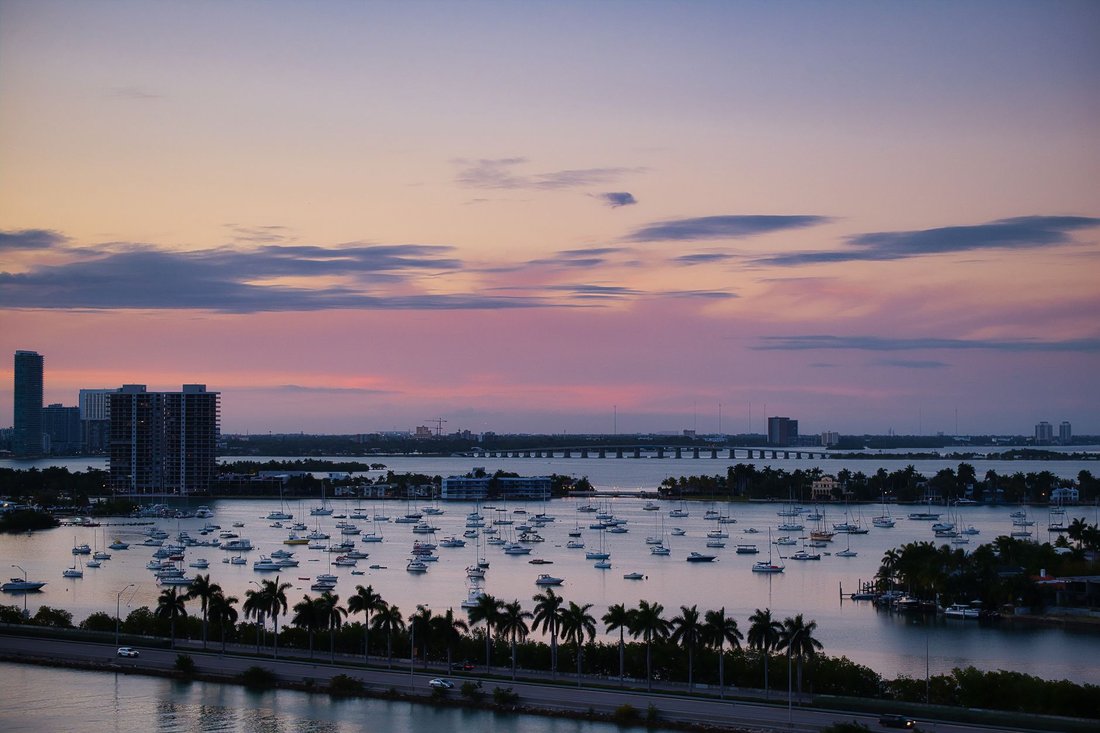
Six-thirty on a weekday morning, and the line at a walk-up cafeteria window on Calle Ocho already runs three people deep. Nobody rushes. A woman in scrubs orders a cortadito to go while two retirees argue about the Marlins over cafecito poured into tiny plastic cups, split four ways because that is how it is done here. This is not the Miami of postcards or reality television. It is the Miami that exiles and immigrants built, where Spanish is the default on half the block and nobody apologizes for it.
The best things to do in Miami start with accepting that South Beach is one neighborhood among many, not the whole story. Miami is Wynwood's warehouses turned into open-air galleries, Coral Gables' Mediterranean boulevards, Coconut Grove's tree canopy shading some of the oldest money in Florida, Little Haiti's murals and drumming, and Brickell's glass towers rising over a river that still empties into the bay. It runs on Cuban, Haitian, Venezuelan, Colombian, and Nicaraguan rhythms at once, and has for generations. What follows is organized by neighborhood, the way a local would actually route a visiting cousin, with the practical logistics saved for the end.
Where the Best Things to Do in Miami Actually Start: Wynwood and the Design District
Wynwood used to be a garment district and a produce warehouse zone before galleries and street artists moved into the empty buildings in the 2000s. It is now the closest thing Miami has to a dedicated arts quarter, and it earns the reputation on foot, not from a car window.
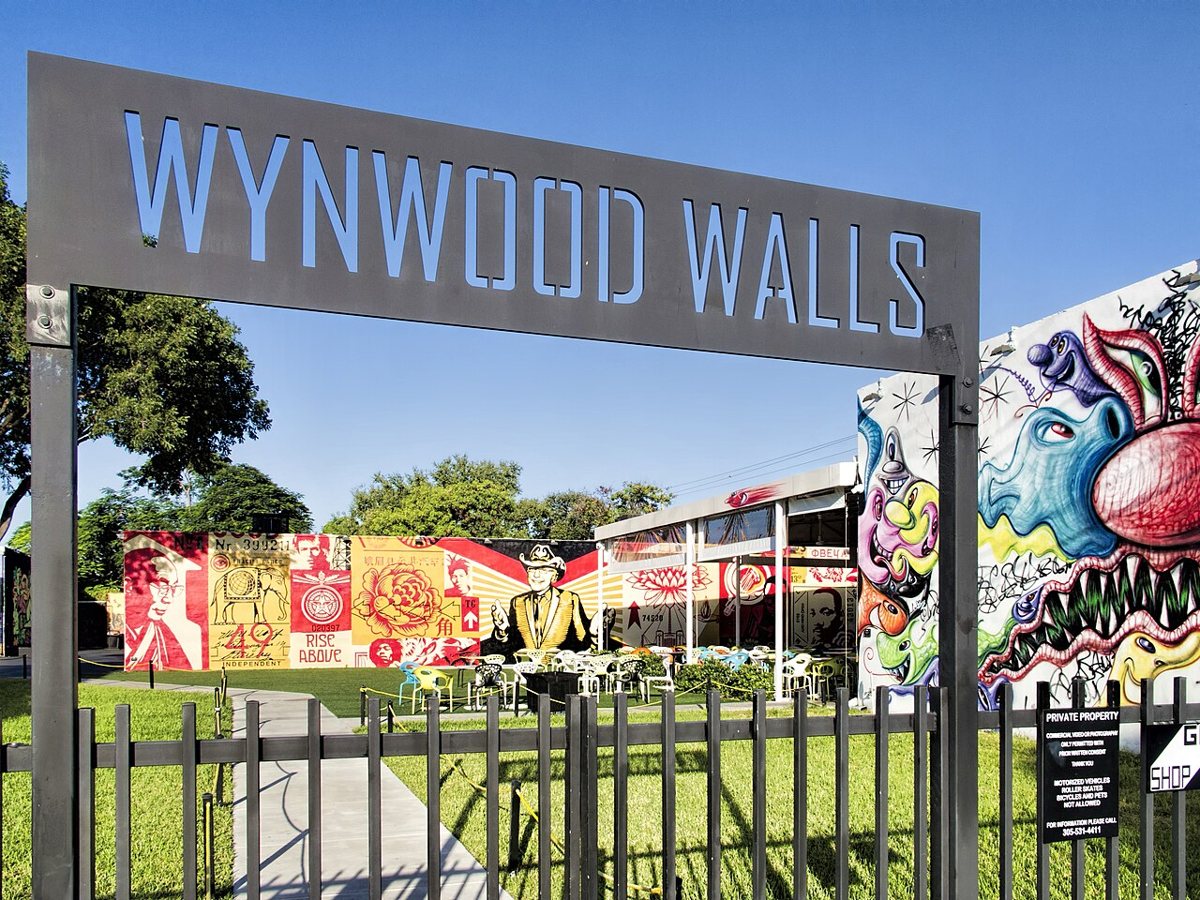
Wynwood Walls
Wynwood Walls is the anchor of the whole district, an outdoor museum of large-scale murals painted directly onto warehouse walls by artists with international reputations alongside Miami locals. What began as a handful of commissioned walls has grown into blocks of continuously repainted work, so a mural you photographed a couple of years back may already be gone, replaced by something new. Walk the surrounding streets past the anchor walls too; some of the best pieces in the neighborhood sit on buildings that were never part of the official project. Go early on a weekday if you want the walls without the crowds and better light for photos. It sits squarely in Wynwood, walkable from the district's coffee shops and galleries.

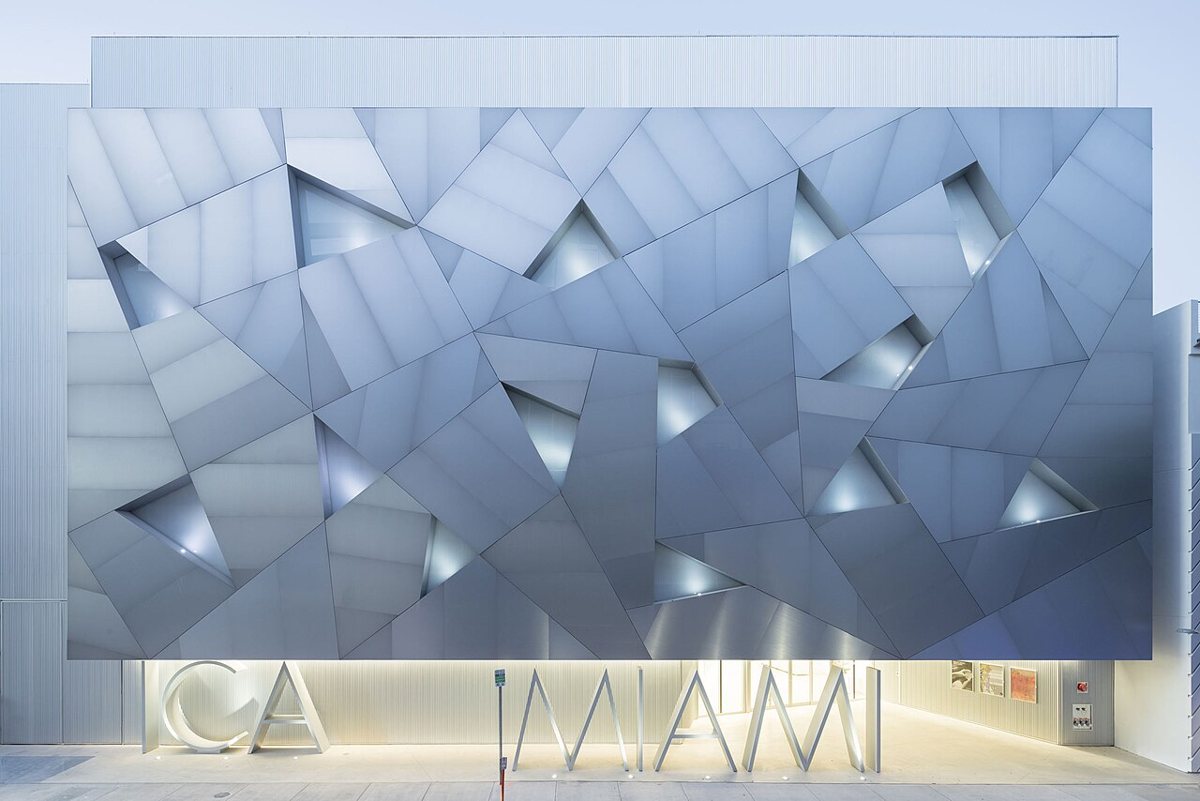
A short walk or quick rideshare east, the Design District trades spray paint for marble. It grew out of a furniture-and-design trade zone into a corridor of luxury flagship stores, but the real draw for most visitors is the art woven through it. The Institute of Contemporary Art Miami sits at the heart of the district with rotating exhibitions of contemporary work and free general admission, a rarity for a museum of its caliber. Public sculpture is scattered through the district's plazas, so even a walk between stores doubles as a small sculpture garden. Come at golden hour when the architecture photographs best and the restaurant patios start filling in.

Little Havana, Where Cuban Miami Never Left
Little Havana is not a theme park version of Cuba built for tourists. Families who fled after 1959 settled here first, and the neighborhood still functions as a real commercial strip for the Cuban and broader Latin community, even as it has become a draw for outsiders too.
Calle Ocho and Domino Park
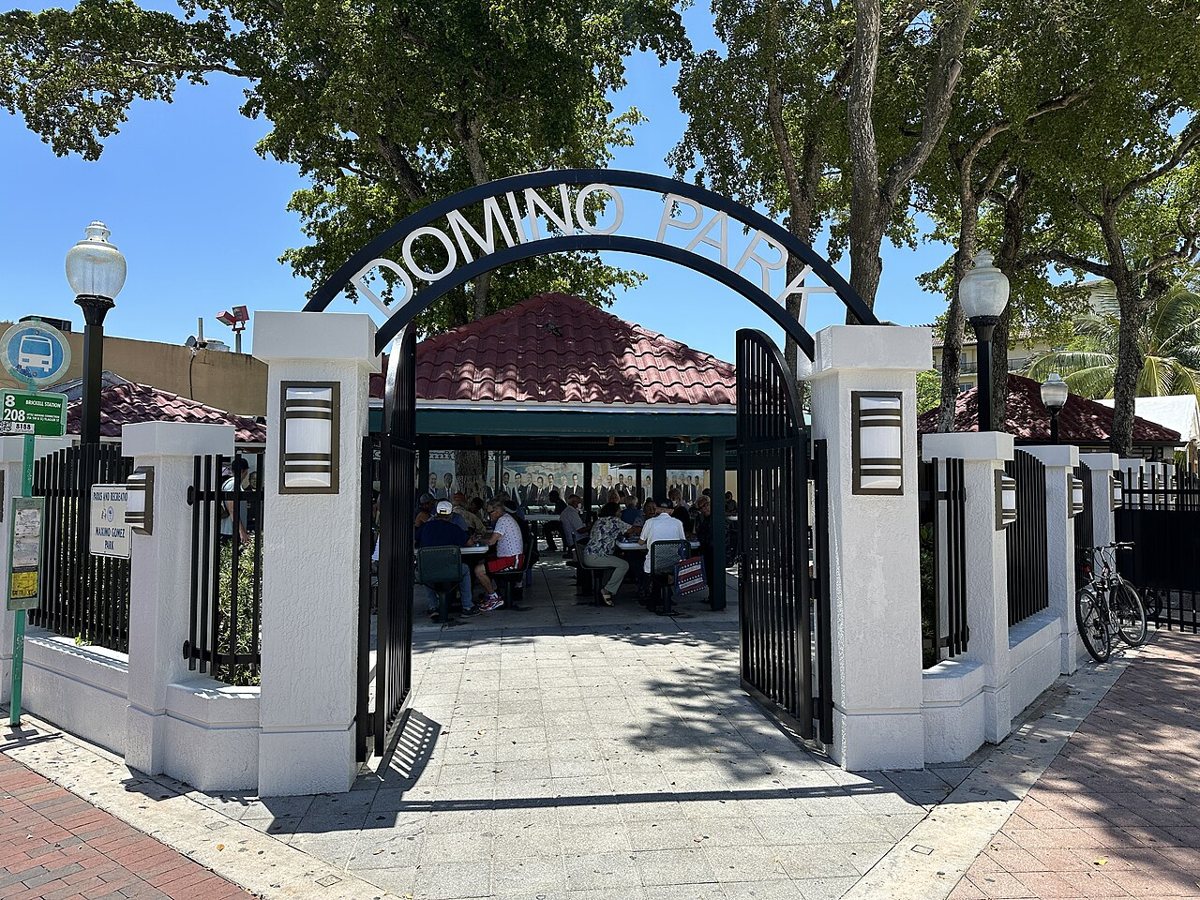
Calle Ocho, or Southwest 8th Street, is the neighborhood's commercial spine, lined with cigar rollers working in shop windows, botánicas, and Cuban bakeries pulling pastelitos out of the oven all morning. Its most photographed stretch runs past Máximo Gómez Park, better known simply as Domino Park, where a mostly older crowd of Cuban men gathers daily to play dominoes at concrete tables under a bit of shade, slapping tiles down with theatrical force. Watching is free and welcomed as long as you are not hovering over an active game with a camera. The Walk of Fame stars embedded in the sidewalk nearby honor Cuban and Latin entertainers, a local answer to Hollywood's version. Stick around into the evening on a Friday and you will likely catch impromptu music near the park.

Life at the Ventanita
The ventanita, a walk-up coffee window built into the front of a cafeteria, is Little Havana's real social infrastructure. Order a cortadito or a colada to share and you will end up in a five-minute conversation with a stranger about baseball or the weather, no invitation needed. Croquetas, pastelitos, and a proper Cuban sandwich pressed on a plancha round out the experience, and this stretch of the city anchors the city's Latin food scene more reliably than any single restaurant recommendation could. Little Haiti and Venezuelan pockets of the city have their own equally strong food cultures, arepas and griot chief among them, and treating Little Havana as the only lens on Miami's Latin and Caribbean food misses most of the picture.
Coral Gables, the Mediterranean City Within a City
Coral Gables was planned from scratch in the 1920s by developer George Merrick as a Mediterranean Revival fantasy, and it is one of the few planned communities in America that actually held onto its architectural discipline. Banyan trees canopy the main boulevards, and even the street signs are carved into coral rock pillars.
The Biltmore Hotel
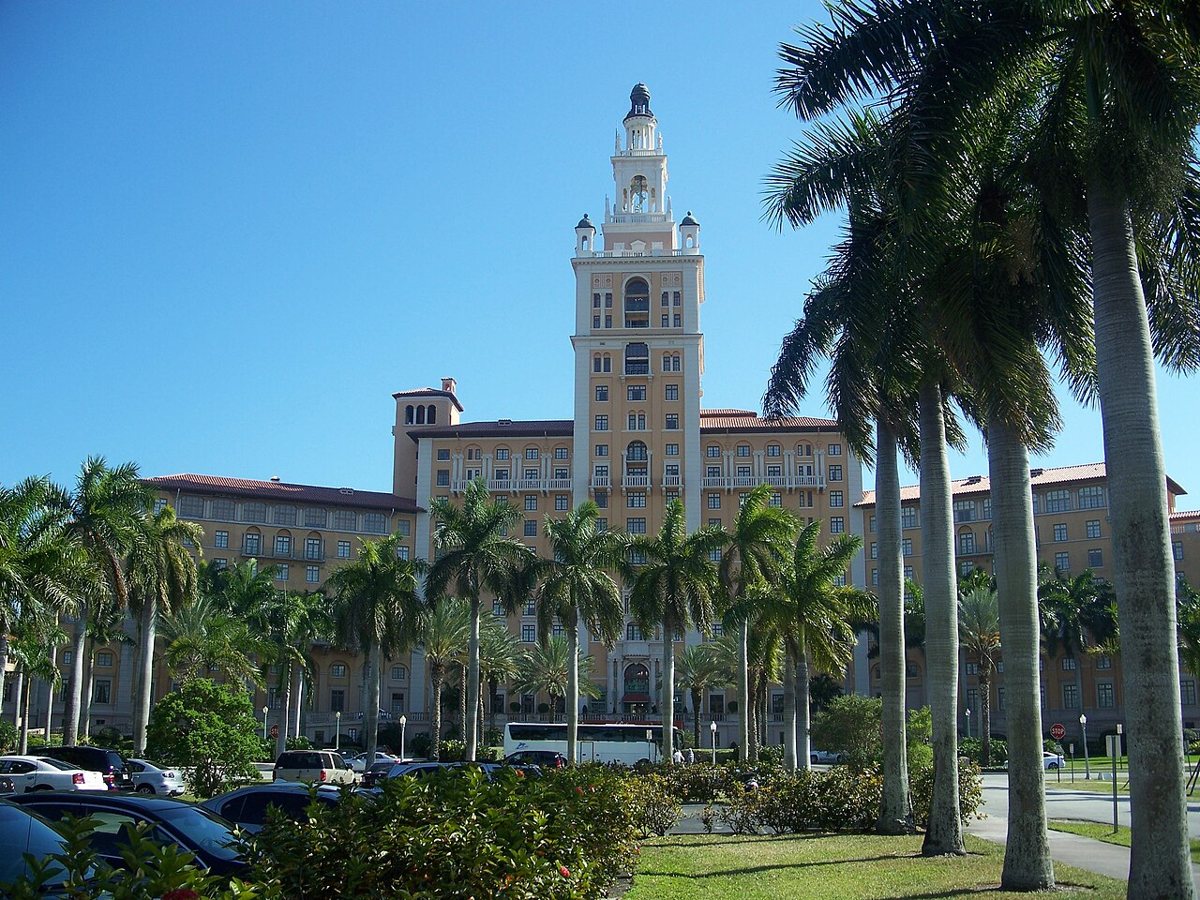
The Biltmore Hotel has anchored the Gables since the 1920s, its Giralda-inspired tower visible from blocks away. It survived stints as a military hospital and a veterans' facility before returning to life as a hotel, and its lobby, arcades, and grounds are open to wander even if you are not staying the night. The pool, one of the largest hotel pools in the country, has hosted Olympic-distance swimming exhibitions and aquatic shows in its past. Have a drink on the back terrace at sunset and look out over the golf course for one of the more underrated views in the city. It sits deep in Coral Gables, a short drive or long walk from the shopping on Miracle Mile.

Venetian Pool
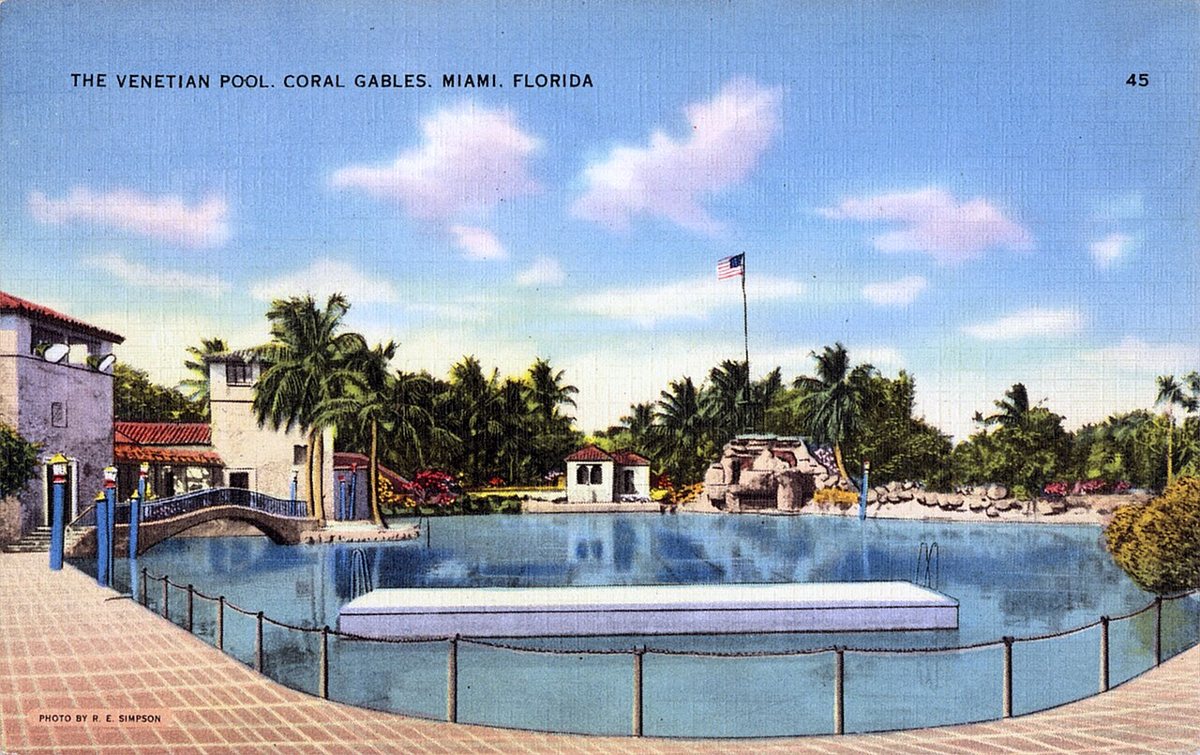
Venetian Pool started as a coral rock quarry that Merrick's team flooded and transformed into a swimming pool with waterfalls, caves, and Venetian-style bridges, an aesthetic choice not many public pools would attempt today. It still operates as a public pool fed by spring water rather than a standard filtration system, drained and refilled on a rotating schedule. Bring goggles and expect the water to run cooler than a standard pool. It draws a steady mix of Gables families and visitors who heard about it secondhand, and it remains one of the more distinctive things to do with kids in the city.

Coconut Grove, Miami's Original Bohemia
The Grove predates the rest of Miami as a settled community, founded by Bahamian and New England sailors before Miami itself was incorporated. It kept a loose, artsy, sailing-club character even as the money around it grew, and the tree cover here is thicker than almost anywhere else in the county.
Vizcaya Museum and Gardens
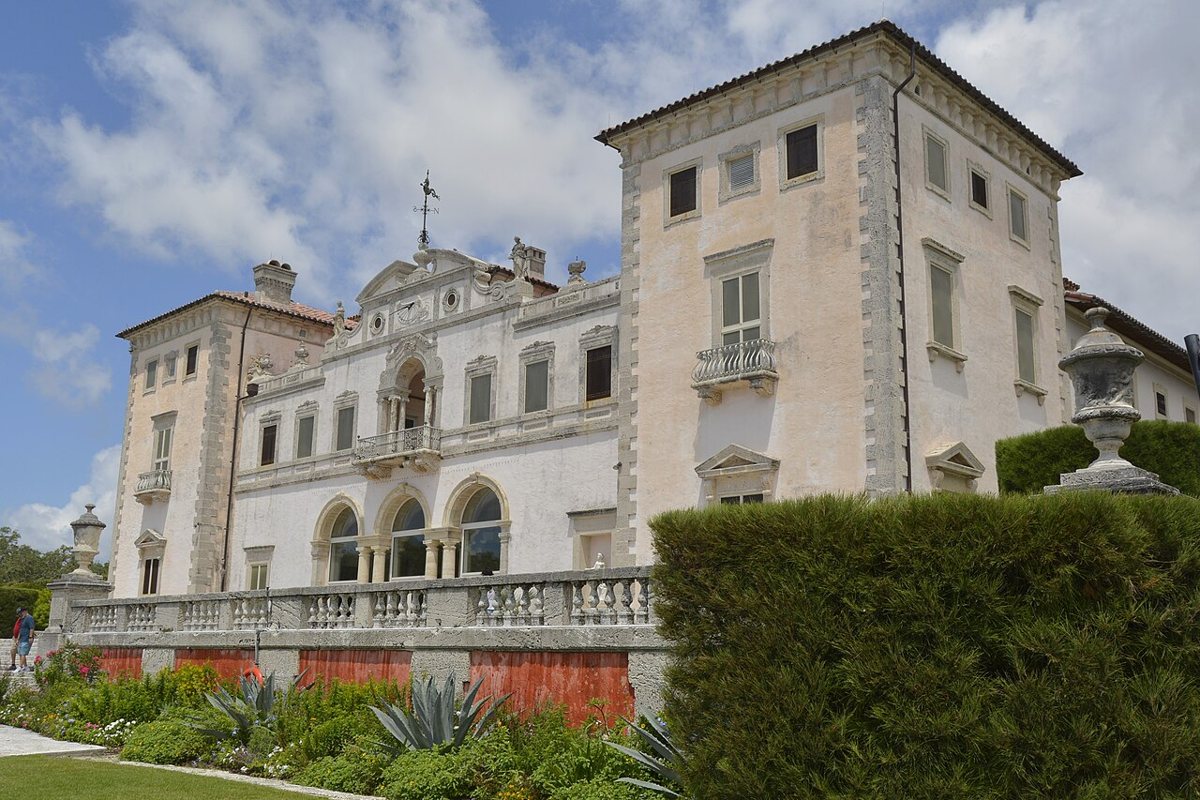
Vizcaya Museum and Gardens is the estate industrialist James Deering built on Biscayne Bay in the 1910s, modeled after an Italian Renaissance villa and stuffed with centuries of European art and furniture he collected on buying trips. The formal gardens, with their stone grottoes, fountains, and a breakwater shaped like a stone barge sitting just offshore, are arguably more striking than the house itself. Morning light on the bay side of the property is the best time to photograph the villa's facade before the humidity sets in. It sits right at the border of Coconut Grove and the Brickell area, an easy stop between the two.

Peacock Park and the Waterfront
Down toward the water, Peacock Park and the adjacent Dinner Key marina area show off the Grove's sailing culture, with a working sailing club, kayak and paddleboard rentals, and grass wide enough for a picnic with a bay view. CocoWalk and the surrounding streets carry the neighborhood's bohemian-meets-boutique commercial strip, quieter and more residential in feel than Brickell or downtown just a few miles north. It is a good spot to slow down after a morning at Vizcaya.
Downtown and Brickell, the New Skyline Over the Bay
Downtown and Brickell together form the financial and cultural core that has transformed Miami's skyline over the last two decades, with the Miami River still cutting through the middle of it the way it has for a century.
Pérez Art Museum Miami
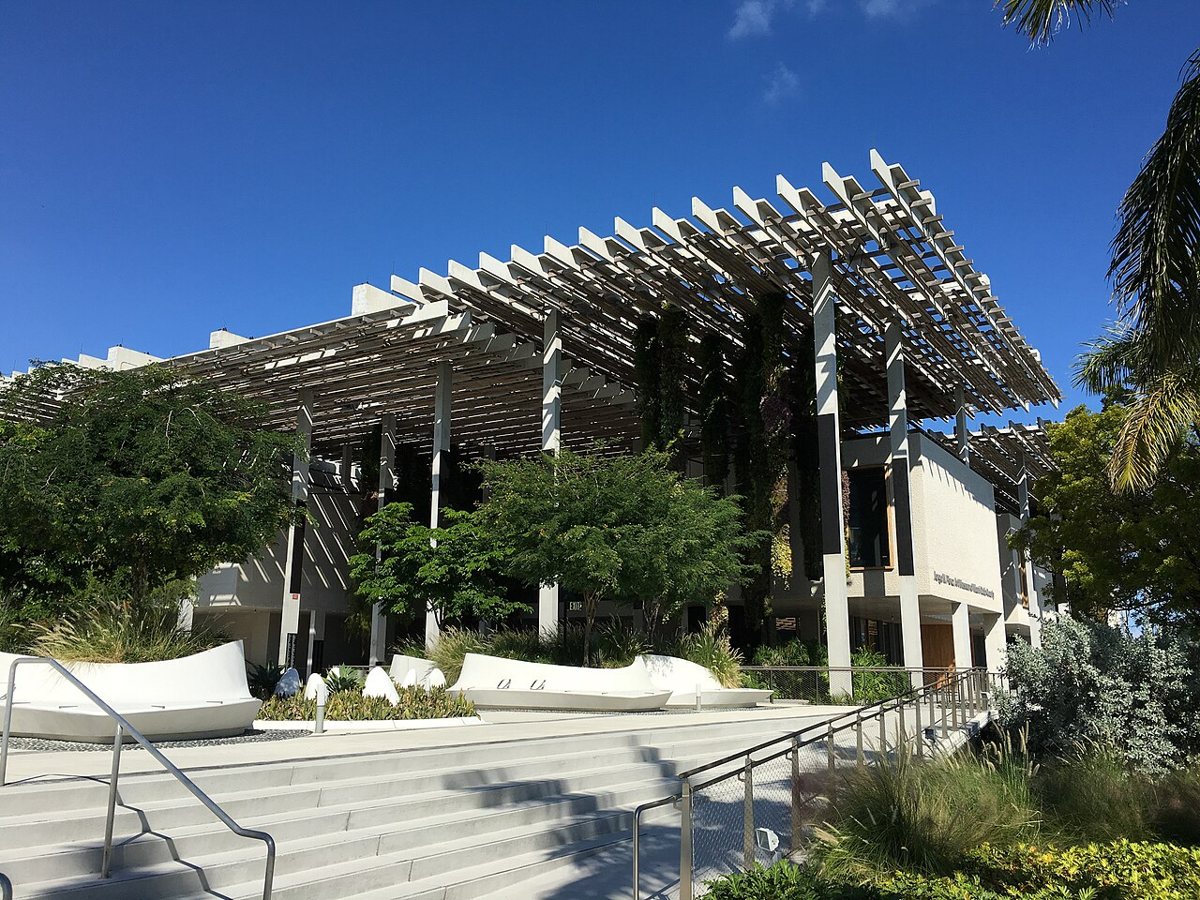
Pérez Art Museum Miami, known locally as PAMM, sits on the bay in Museum Park with hanging gardens designed into its exterior columns and a waterfront terrace that catches the breeze off Biscayne Bay. The collection leans into international and Latin American contemporary art, a curatorial choice that reflects the city around it rather than importing a generic museum program. The terrace café alone, with unobstructed bay views, is worth the visit even on a day when you only have time for a partial walk through the galleries. It sits next to the Frost Science museum, so pairing the two makes for a full afternoon in Museum Park.

Freedom Tower
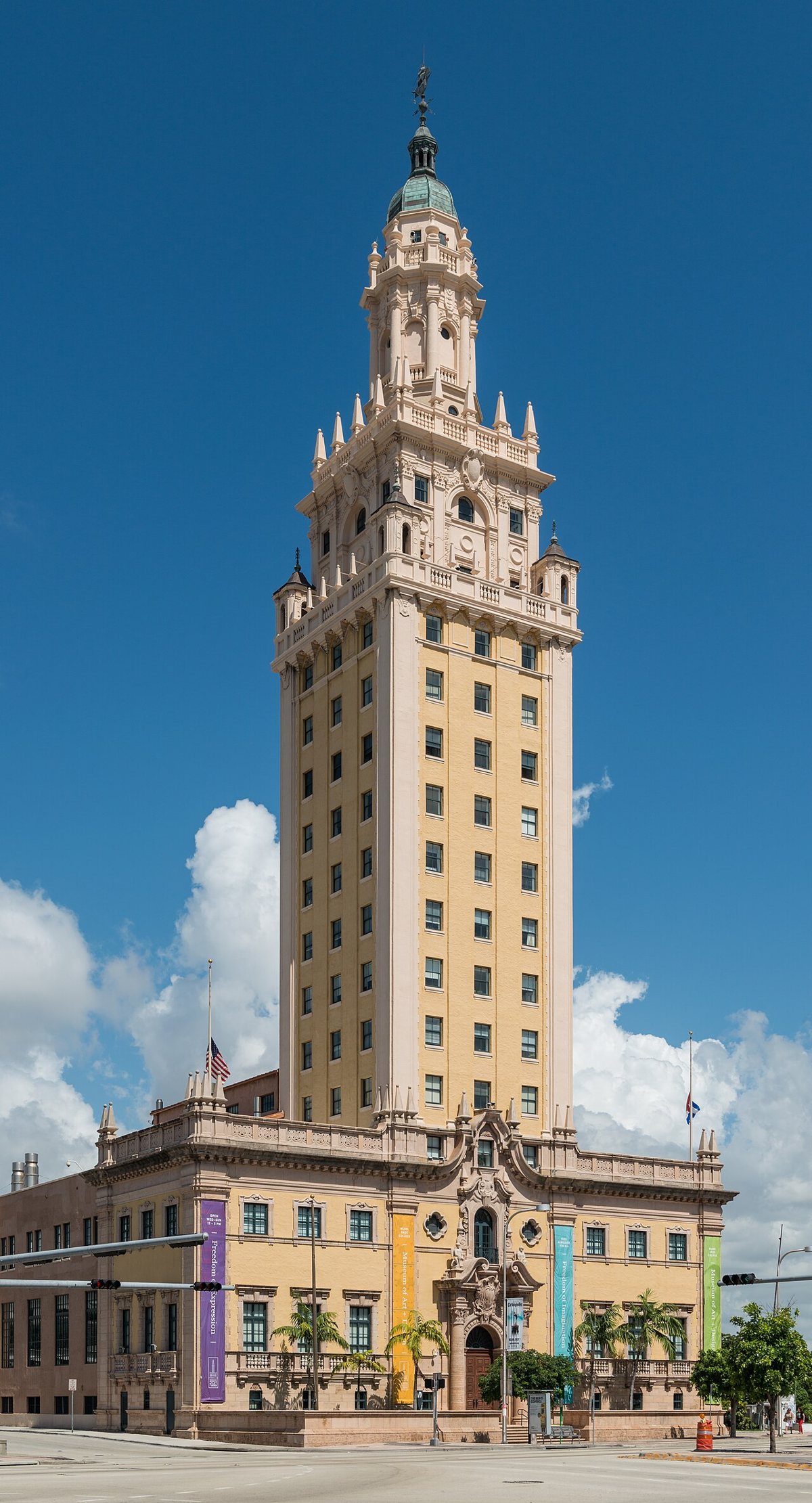
Freedom Tower rises a few blocks inland, a Mediterranean Revival landmark built originally for a newspaper in the 1920s before it became the processing center for Cuban refugees arriving through the 1960s and 70s, earning it the nickname the Ellis Island of the South. It now belongs to Miami Dade College and hosts exhibitions tied to Cuban and broader Latin American history and art. Even from the sidewalk, the tower's silhouette against the downtown skyline tells you something about how layered this city's history actually is. It is a quick detour from the arena and PortMiami area.

Brickell and the Miami River
Brickell earns its Manhattan-of-Miami nickname honestly, a corridor of bank headquarters and condo towers that barely existed a generation ago. The Riverwalk along the Miami River gives pedestrians a way to trace the water past working tugboats and outdoor bars without dealing with traffic, and Brickell City Centre adds a climate-controlled stretch of shopping and dining under a distinctive curved canopy. It is less about individual landmarks here and more about the density and energy of a neighborhood that changes block by block.
Little Haiti, the Cultural Heart of the Haitian Diaspora
Little Haiti holds the largest Haitian community outside Haiti itself, and its identity runs deeper than the murals that have made it Instagram-famous in recent years.
Little Haiti Cultural Complex
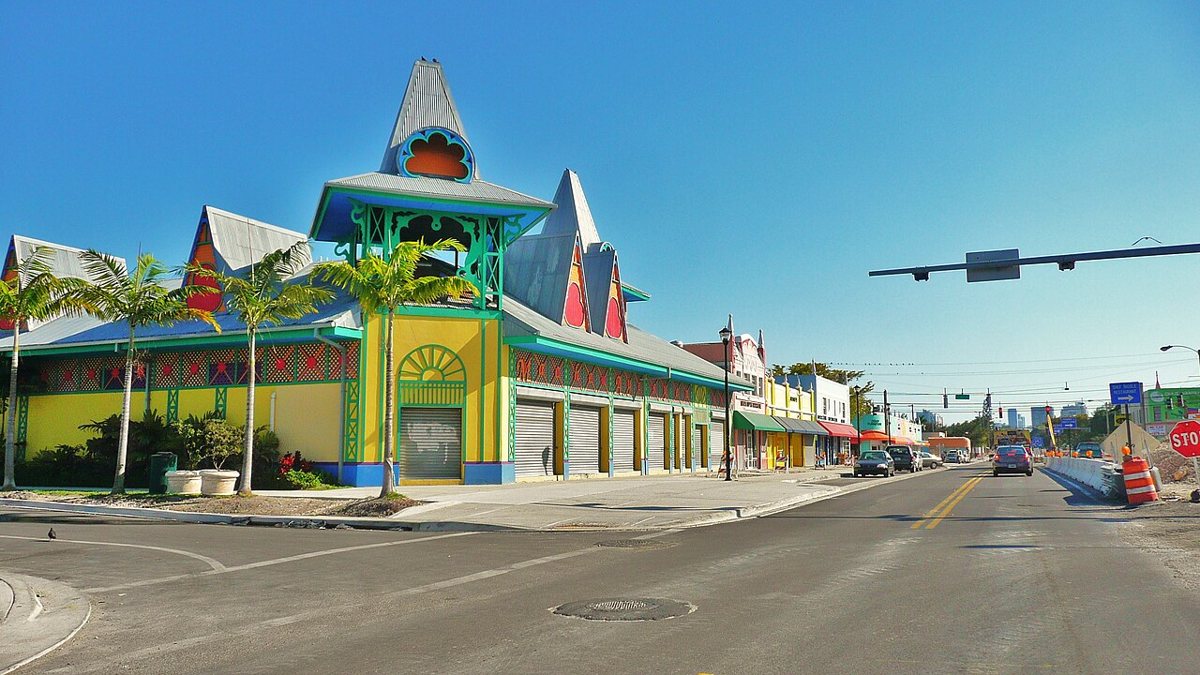
The Little Haiti Cultural Complex functions as the neighborhood's community anchor, with a theater, gallery space, and a courtyard that regularly hosts drumming circles, Kompa music, and Haitian cultural programming. The building's design draws on Caribbean vernacular architecture rather than trying to look like anything else in Miami, and the gallery inside rotates work from Haitian and Haitian American artists you will not find represented in the bigger downtown museums. Stop by NE 2nd Avenue afterward for Haitian bakeries and record shops that have anchored the strip for decades. That is real Miami, not a staged version of it, and treating the neighborhood as a mural backdrop rather than a living community misses the point entirely.

South Beach and the Art Deco Historic District, Without the Clichés
South Beach gets treated as shorthand for all of Miami, which flattens both the beach and the city. Locals do not eat dinner on Ocean Drive, but the architecture there is genuinely worth seeing on its own terms.
Ocean Drive and the Art Deco Historic District
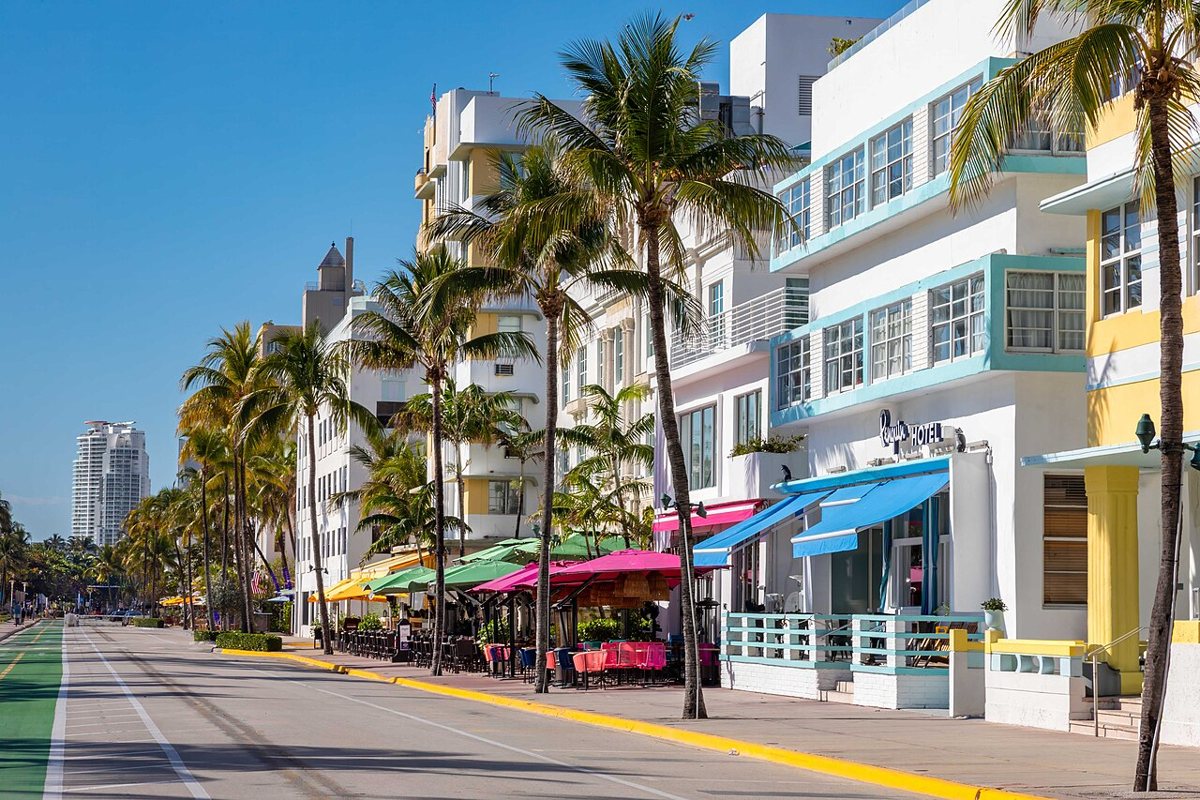
The Art Deco Historic District holds one of the largest concentrations of 1920s and 1930s Deco architecture anywhere in the world, pastel facades with rounded corners, porthole windows, and neon trim that the Miami Design Preservation League fought to save from demolition starting in the late 1970s. Walk it in the morning before the restaurant hawkers are out working the sidewalk, and the buildings themselves, not the crowd, become the point. The Wolfsonian museum a few blocks off Ocean Drive adds design history context if the architecture pulls you in. For the actual beach experience locals prefer, wander a few blocks north or south of the main drag, or skip South Beach altogether for Key Biscayne's quieter sand.

Key Biscayne and Miami's Wild Edge
Key Biscayne sits at the end of the Rickenbacker Causeway, close enough to downtown to see the skyline from its beaches but wild enough to feel like a different coast entirely.
Bill Baggs Cape Florida State Park
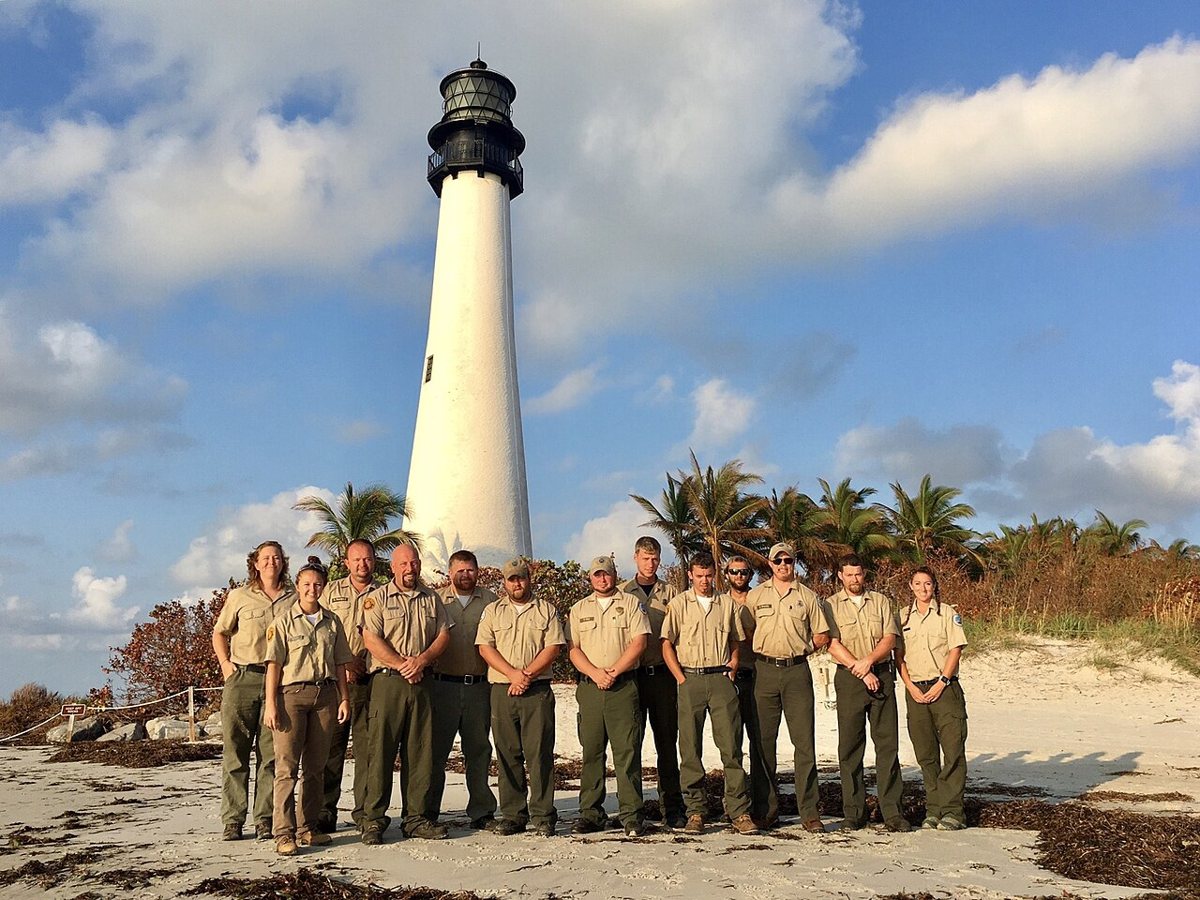
Bill Baggs Cape Florida State Park occupies the southern tip of the key, home to one of the oldest brick structures in South Florida in its restored 1825 lighthouse, alongside a broad, uncrowded beach that consistently ranks among the best in the country. Trails wind through mangrove hammock and coastal scrub where you are as likely to spot an iguana as another visitor on a weekday. Climb the lighthouse when it is open for one of the better vantage points on the bay and the downtown skyline together. Bring your own shade and water, since the park's natural cover is real forest, not landscaped palms.

Miami for Sports and Spectacle
Miami takes its sports seriously enough to have built two major venues in the last two decades. loanDepot Park's retractable roof lets the Marlins play through summer storms that would otherwise wash out half the season, and its interior murals and quirky outfield features reflect the same civic personality that shows up in Wynwood. Hard Rock Stadium, out toward Miami Gardens, hosts the Dolphins and has become a rotating home for major concerts, soccer friendlies, and Formula 1's Miami Grand Prix. Once a year, Calle Ocho itself becomes a stage during its namesake street festival, when the neighborhood's music and food spill out across blocks of closed streets. None of this requires insider knowledge to enjoy, just a willingness to check what is on the calendar for whichever weekend you are in town.
Getting Around, Timing It Right, and What Doesn't Cost Anything
Miami rewards a car or a reliable rideshare budget more than most walkable American cities, since the neighborhoods above are spread across a genuinely large metro area rather than clustered downtown. That said, a few pockets reward walking on their own: Wynwood, the Art Deco district, Little Havana's Calle Ocho corridor, and Coral Gables' Miracle Mile area all work fine on foot once you have parked or been dropped off.
- Downtown and Brickell have a free automated people mover called the Metromover that covers the core loop and is worth using instead of driving between towers.
- Traffic on the causeways and I-95 peaks hard on weekday mornings and evenings, so plan cross-town trips, especially anything involving Key Biscayne's single causeway, outside rush hour.
- The dry winter months bring lower humidity and far less rain than summer, which also happens to be hurricane season, making outdoor-heavy days at Bill Baggs or Vizcaya's gardens more comfortable from roughly late fall through spring.
- Free things to do are more plentiful than the city's luxury reputation suggests: the murals of Wynwood and Little Haiti cost nothing to view outdoors, Domino Park is free to watch, Miami's public beaches have no entry fee, the Institute of Contemporary Art Miami offers free general admission, and simply walking the Art Deco district or Miracle Mile costs only your time.
The Miami Worth Coming Back For
None of this is a checklist meant to be finished in one trip. The city rewards returning to the same ventanita, the same stretch of Domino Park, the same terrace at PAMM at a different hour, because Miami reveals itself in repetition rather than in a single exhausting day of sightseeing. Skip the assumption that a few hours on Ocean Drive counts as having seen the city, and give Little Haiti, the Gables, and the Grove the same attention South Beach gets by default. This neighborhood-by-neighborhood approach is how the people who actually live here experience it, and it holds up better than any single itinerary could.