Best Museums in Miami You Shouldn't Miss
The best museums in Miami are not a rainy-day backup to the beach; they are where the city actually explains itself, from a Cuban exile's shrine of a home to a bakery-turned-artist-colony in Wynwood.
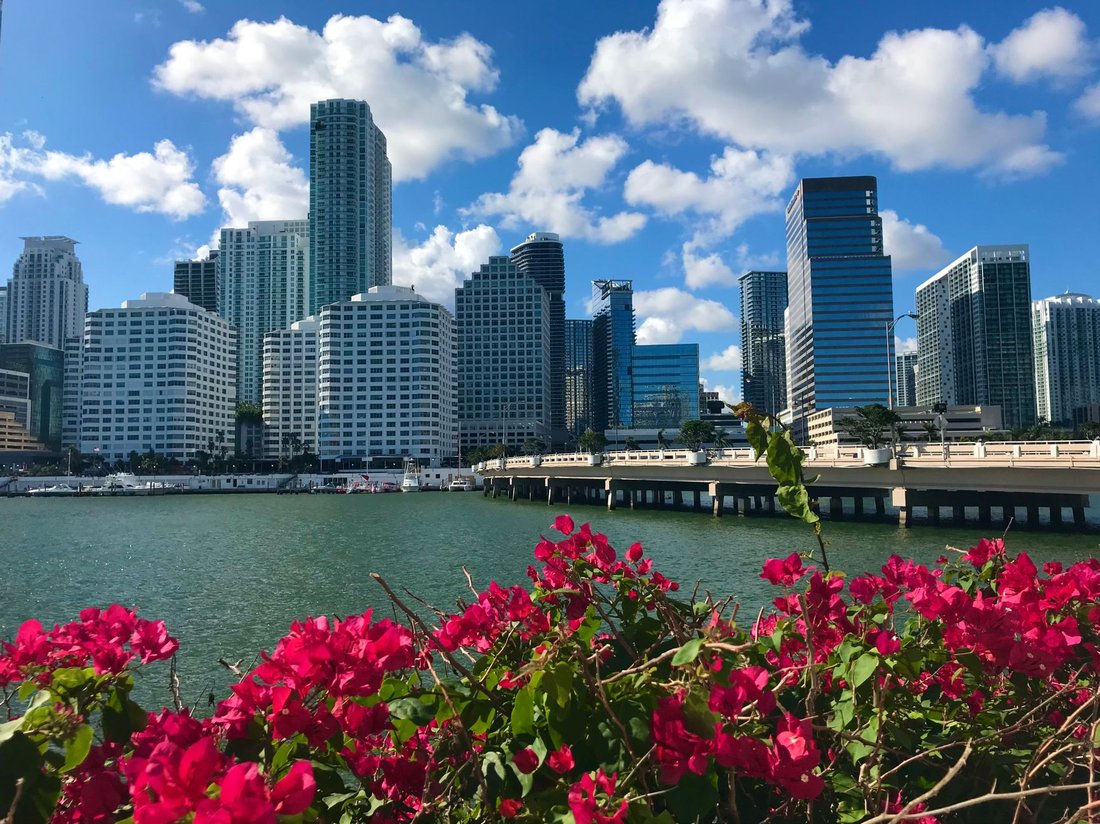
On a Wednesday morning at Pérez Art Museum Miami, the fig trees on the porch are throwing shade over a security guard's folding chair while a school group from Little Havana argues in Spanglish about whether a José Bedia painting is supposed to look unfinished. Out past the hanging gardens, Biscayne Bay is doing its glassy, no-filter-needed thing, and nobody here is wearing a swimsuit. This is the Miami that never makes the postcard, and it's exactly where you find the best museums in Miami: not on Ocean Drive, not inside a nightclub with a coat check, but scattered through Overtown-adjacent Museum Park, the porticoes of Coral Gables, a converted bakery in Wynwood, and a Little Haiti compound built around a Caribbean marketplace. Miami's museum scene got serious money and serious attention over the last two decades, and it never stopped being a Cuban, Haitian, Venezuelan, and Colombian city first. The guide below treats it that way.
The Best Museums in Miami, By Neighborhood
Miami doesn't have one museum district so much as five or six, spread across a metro area where a fifteen-minute drive can swap you from Art Deco hotel lobbies to a working-class Haitian business corridor. Trying to hit all of them in one day is a mistake; trying to hit all of them without a car is a bigger one, except in the two pockets built for walking. What follows moves geographically, downtown out, so you can pair museums with whatever part of the city you're already in for a meal or a ventanita coffee.
Downtown and Museum Park
Museum Park sits right on Biscayne Bay north of downtown, and it's the closest thing Miami has to a museum campus: two major institutions a five-minute walk apart, with the bay breeze doing more air conditioning than you'd expect.
Pérez Art Museum Miami
PAMM, tucked into Museum Park just north of downtown, is the city's flagship contemporary art museum, and the building itself, designed by Herzog & de Meuron with hanging gardens threaded through its columns, is worth the visit before you've seen a single canvas. Inside, the collection leans hard into Latin American and Caribbean artists, with a strong African diaspora presence running through the galleries too, which tracks for a museum sitting in a city built by all three. Go for the rotating special exhibitions, but budget real time for the shaded outdoor porch, where locals sit and read with the bay as a backdrop and nobody rushes anyone out. It's worth checking what's showing before you go, since PAMM's programming shifts substantially between seasons and the permanent collection rotates more than most encyclopedic museums.
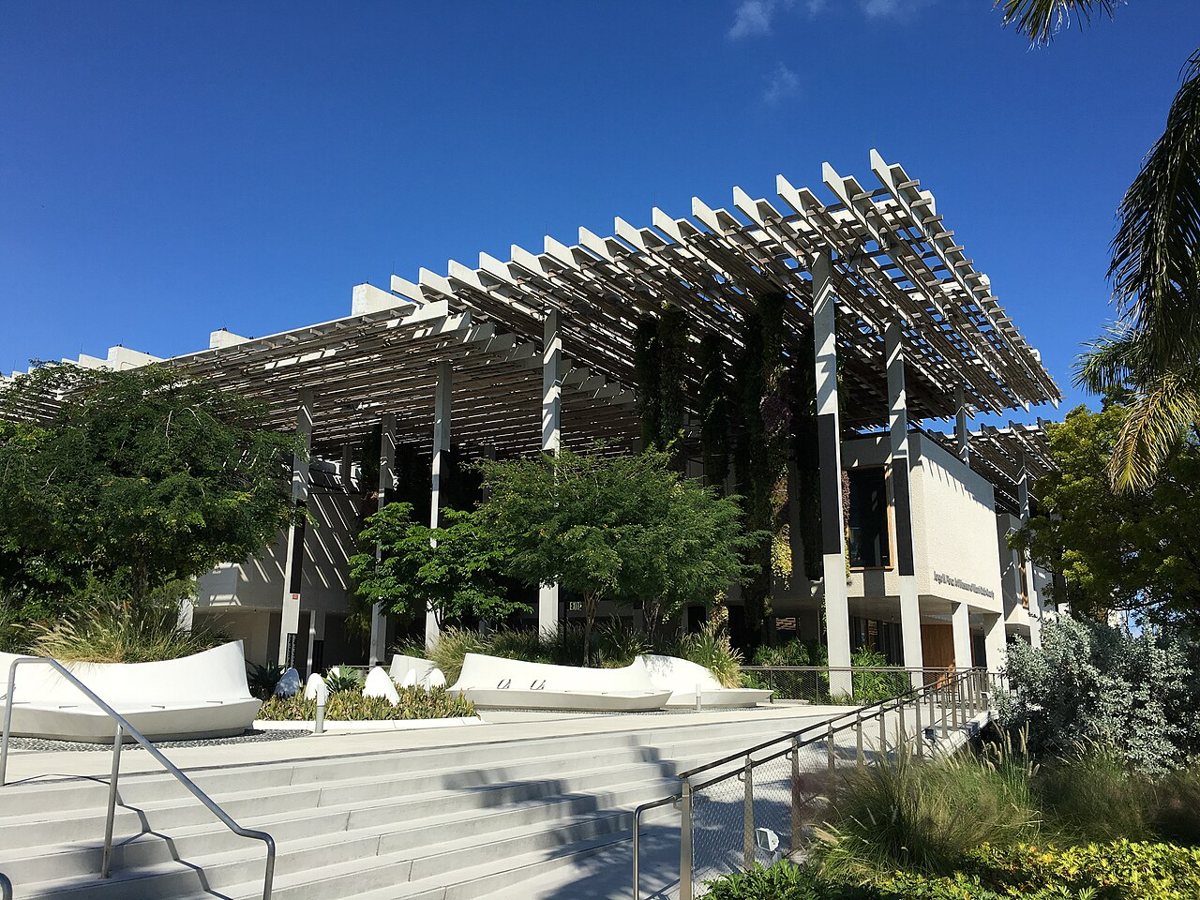

Walk the waterfront path a few minutes north, still inside Museum Park, and you hit the Phillip and Patricia Frost Museum of Science, known to basically everyone in Miami as just Frost Science. It's a proper science museum with a planetarium and a multi-level aquarium built around a rising spiral, not a side attraction bolted onto PAMM's shadow. Families come for the sharks and stingrays in the Gulf Stream tank, but the planetarium shows and the top-floor terrace, which looks out over the same bay PAMM does, make it worth an adult visit too. The aquarium's lower levels get busiest right after opening, when camp groups and school field trips pour in, so weekday visitors do better arriving in the early afternoon.
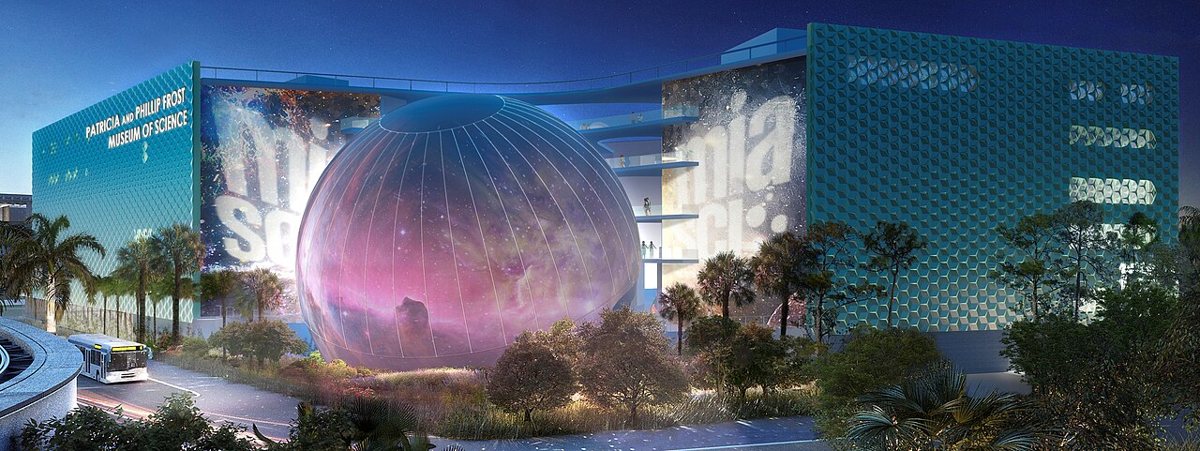

A short drive into downtown proper, near the Miami-Dade Cultural Center, gets you to HistoryMiami Museum, the Smithsonian affiliate that functions as the closest thing this city has to an official memory bank. Its permanent exhibitions cover the Tequesta people who lived here before anyone else and the railroad-and-land-boom era that built the city as a real estate product. Later galleries pick up the waves of Cuban, Haitian, Nicaraguan, and South American migration that made Miami what it is now. This is the museum to send anyone who thinks Miami's history starts with Miami Vice. The museum also runs walking tours of neighborhoods like Overtown and Little Havana that go well beyond what a self-guided visit inside the building can teach you, and they make better use of an afternoon than the gift shop does.
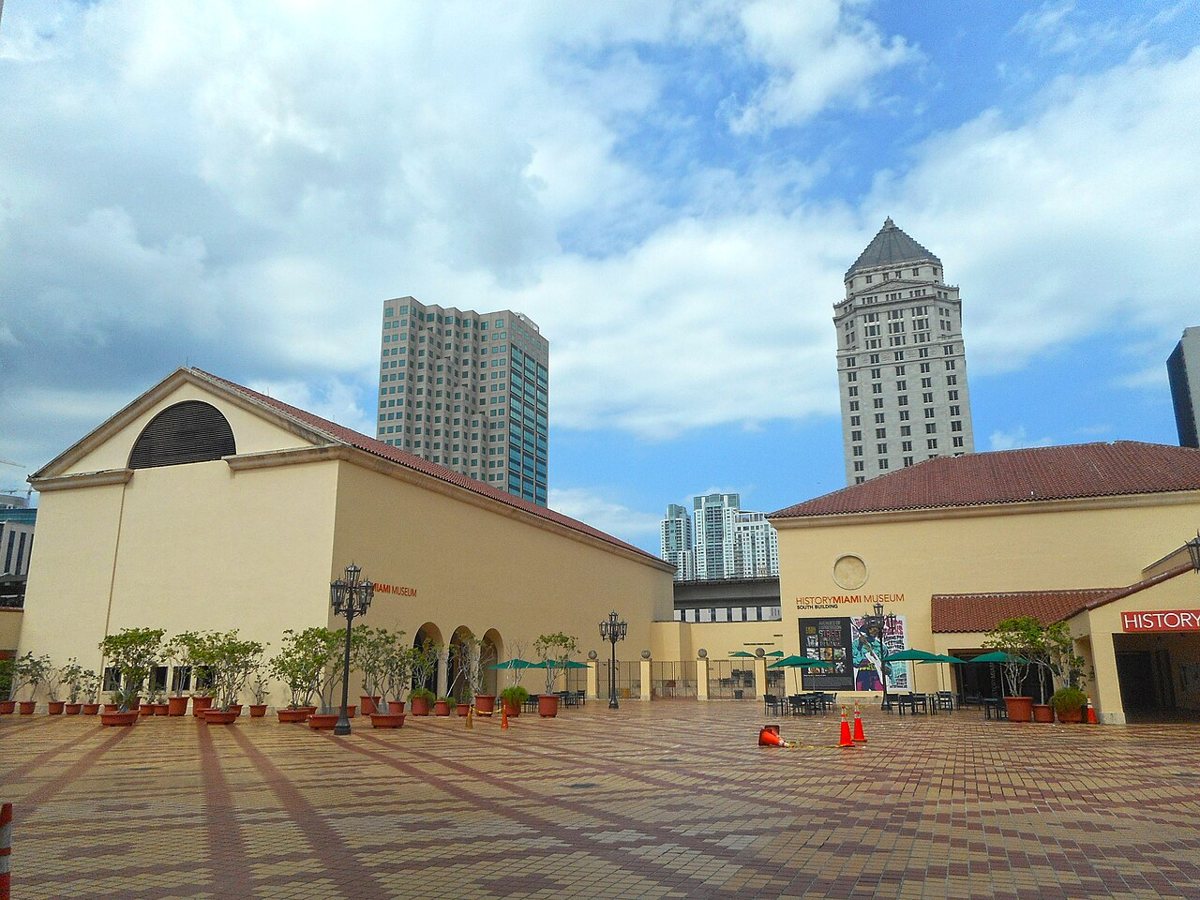

Also downtown, easy to miss because it doesn't occupy a signature architectural statement, is the American Museum of the Cuban Diaspora. It's a smaller, focused institution built around the story of Cuban exile after 1959, from the boatlifts and the family separations they caused to the culture that got rebuilt in Miami because it couldn't be practiced openly on the island. For a city where a huge share of residents either lived that history or grew up hearing about it at the dinner table, this museum does the work of putting objects and testimony behind the family stories. It's not a large collection, but it's not trying to be the Smithsonian; it's trying to be specific. A visit here pairs naturally with a walk through nearby Domino Park or a stop for a pastelito, since the museum's context lands harder once you've seen the neighborhood it's describing.
Coconut Grove and Coral Gables
Head south and west from downtown and the city gets older and leafier fast. Coconut Grove is Miami's original settlement, bohemian since before that was a marketing term, and Coral Gables next door is the Mediterranean Revival planned city George Merrick built in the 1920s, still home to the University of Miami.
Vizcaya Museum and Gardens
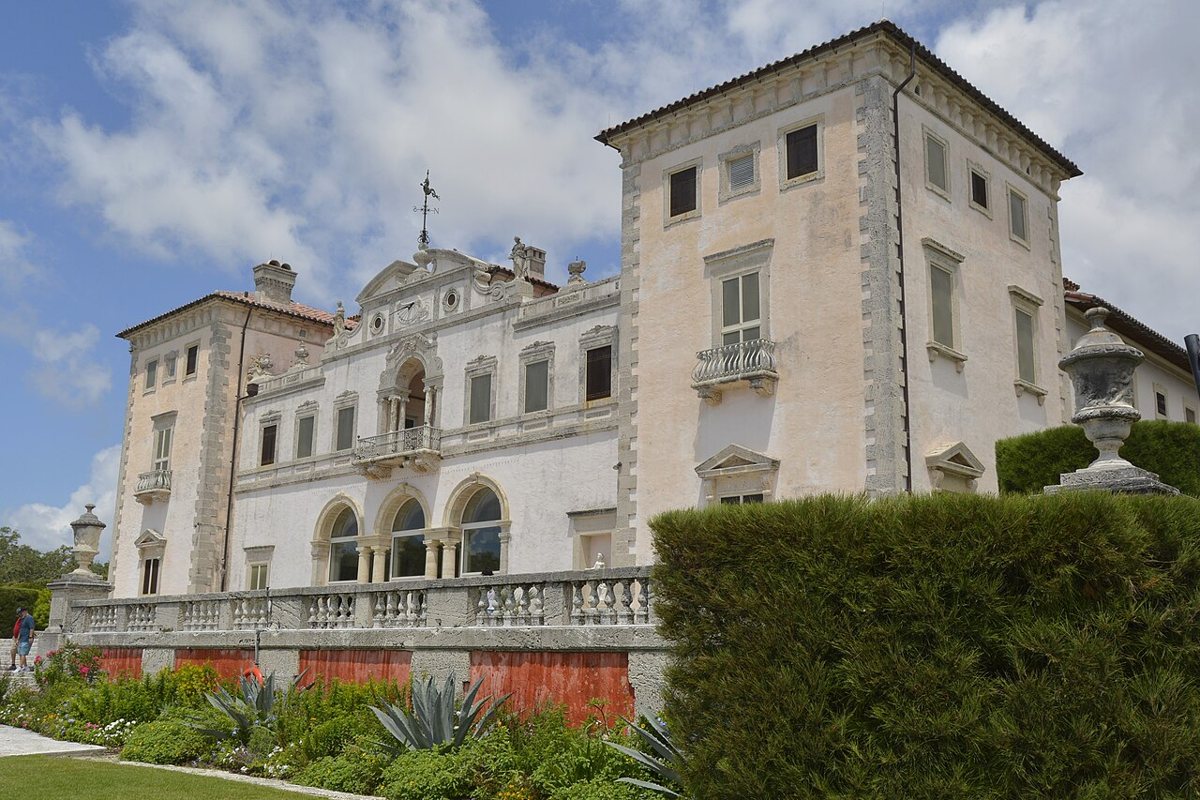
Vizcaya, on the bay in Coconut Grove, is the closest thing Miami has to a European estate: an early-1900s Italian Renaissance-style villa that industrialist James Deering built on Biscayne Bay, complete with formal gardens and a stone barge breakwater. Its rooms are furnished with centuries of European antiques he shipped in wholesale. It reads like a fantasy of old money dropped into a mangrove swamp, which is more or less what it was. Walk the interior for the sheer material excess, then spend equal time in the gardens, which are genuinely one of the best outdoor spaces in the city regardless of what's inside the house. Most visitors rush past the limestone grotto and the water-level views from the stone barge on their way to the gift shop, but those are the best photo spots on the property by a wide margin.

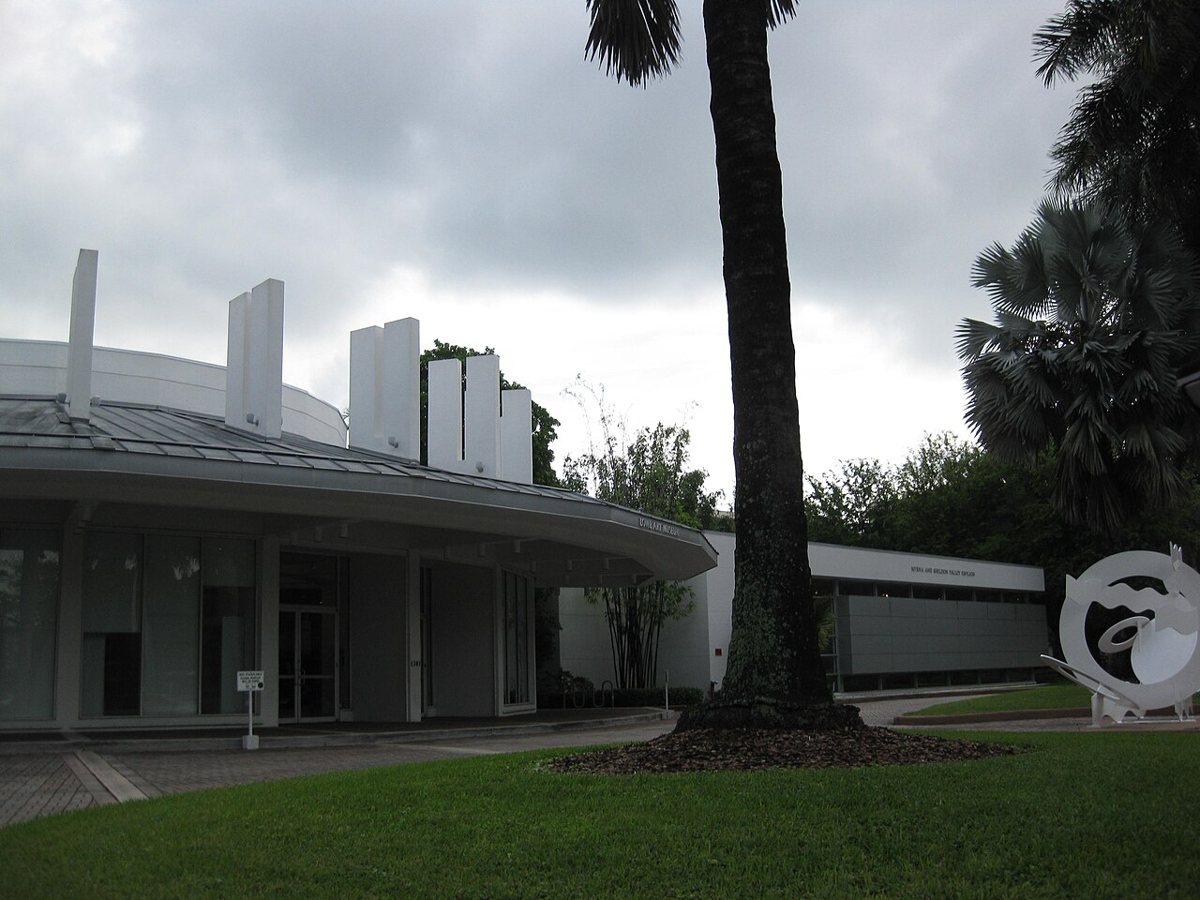
On the University of Miami's campus in Coral Gables, the Lowe Art Museum holds a collection that punches well above what you'd expect from a university museum: Renaissance and Baroque European painting, Native American and pre-Columbian art, a serious Asian art wing, and rotating contemporary shows. Because it's a teaching museum, the wall text tends to be more genuinely educational than promotional, which is a nice change of pace after a run of Instagram-optimized contemporary spaces. Parking on UM's campus can be its own small ordeal during the school year, so it pays to check visitor lot availability before you go rather than circling for twenty minutes.

The Coral Gables Museum, housed in the city's old fire and police station near Miracle Mile, is a much smaller stop, but it's the best place to actually understand how Coral Gables came to look the way it does. Exhibits dig into George Merrick's original plan for a Mediterranean fantasy city and the coral rock construction that gives the neighborhood its texture. Later sections trace the broader story of Miami's real estate boom-and-bust cycles. It's a fifteen-to-twenty-minute museum, not a half-day one, and that's fine; not every stop on this list needs to be an event. It makes an easy add-on to a Miracle Mile walk too, since it sits a block off the main shopping strip rather than requiring a separate car trip.
The Design District, Wynwood, and Allapattah
This corridor is where Miami's contemporary art money actually lives now, and it rewards people willing to treat gallery-hopping like a real activity rather than a mural backdrop for photos. Start in the Design District, work west into Wynwood, and if you have the stamina, push into Allapattah, which has quietly become the most interesting art neighborhood in the city.
Institute of Contemporary Art Miami
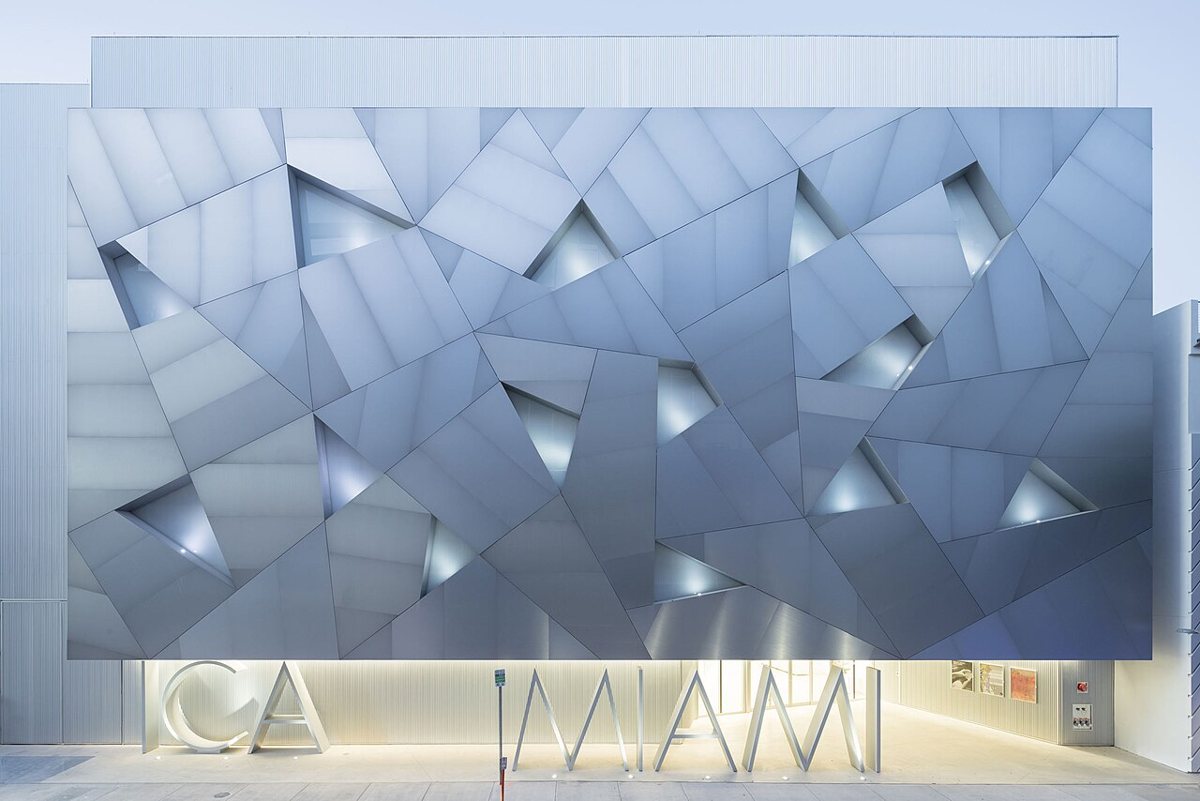
ICA Miami, in the Design District, is free to the public and runs some of the sharpest contemporary programming in the city, with a focus on emerging and under-recognized artists alongside bigger names. The building itself, with its sculpture garden tucked behind a screen wall, is a calm counterpoint to the high-end retail surrounding it on every side. Because admission costs nothing, it's the easiest just-pop-in museum on this whole list, no ticket math required. That sculpture garden is shaded and often overlooked by visitors who beeline straight for the main galleries, which makes it one of the more pleasant spots in the Design District to sit for ten minutes.

A few minutes south, walking distance from the murals most visitors already know in Wynwood, is the Bakehouse Art Complex, a genuine working artist community housed in a converted 1930s bakery. Unlike the commercial galleries nearby, Bakehouse is a nonprofit studio complex where you can watch working artists in their actual studios rather than browsing finished, framed, for-sale product. It's the counterweight to Wynwood's more Instagram-driven gallery rows, and it's the best evidence that the neighborhood's art scene predates the murals that made it famous. It's worth checking for open studio days or artist talks, since seeing the space mid-critique or mid-build is far more interesting than an empty studio hallway. For the rest of the neighborhood's gallery rows and mural walls, a proper walk through the Wynwood arts district is worth doing on the same trip.
West of Wynwood, in Allapattah, a onetime produce and warehouse district, the Rubell Museum is the private collection that national art critics name first when they talk about Miami. Don and Mera Rubell built their collection over five decades, and the museum, in a converted 100,000-square-foot former DEA drug storage facility, shows huge rotating swaths of it, room by room, artist by artist, with enough square footage that a single show can feel like a career survey. It's the kind of museum where you'll recognize half the names from art-world headlines and discover the other half on the spot. The Rubells' restaurant on-site, run out of the same building, is a legitimately good lunch stop in Allapattah, so a visit here does not have to break for food elsewhere.
Also in Allapattah, a couple of minutes from the Rubell, Superblue Miami is Miami's entry into the immersive, experience-driven art format that turns galleries into fully built environments you walk through rather than art you view at arm's length. It's less about individual objects and more about spatial, often technology-assisted installations meant to be moved through slowly, sometimes with other people, sometimes alone in a mirrored room. It draws a different crowd than the Rubell down the block, more date-night and family outing than serious collector, and there's real value in both approaches existing two minutes apart. Plan to give yourself more time than you think; the format rewards slowing down and re-entering a room rather than a single quick pass.
Miami Beach, Off the Sand
South Beach gets treated like Miami's whole identity in most coverage, and that's exactly the flattening this city resents. But Miami Beach does hold a couple of museums worth the causeway crossing, tucked a few blocks off the sand rather than on it.
The Bass
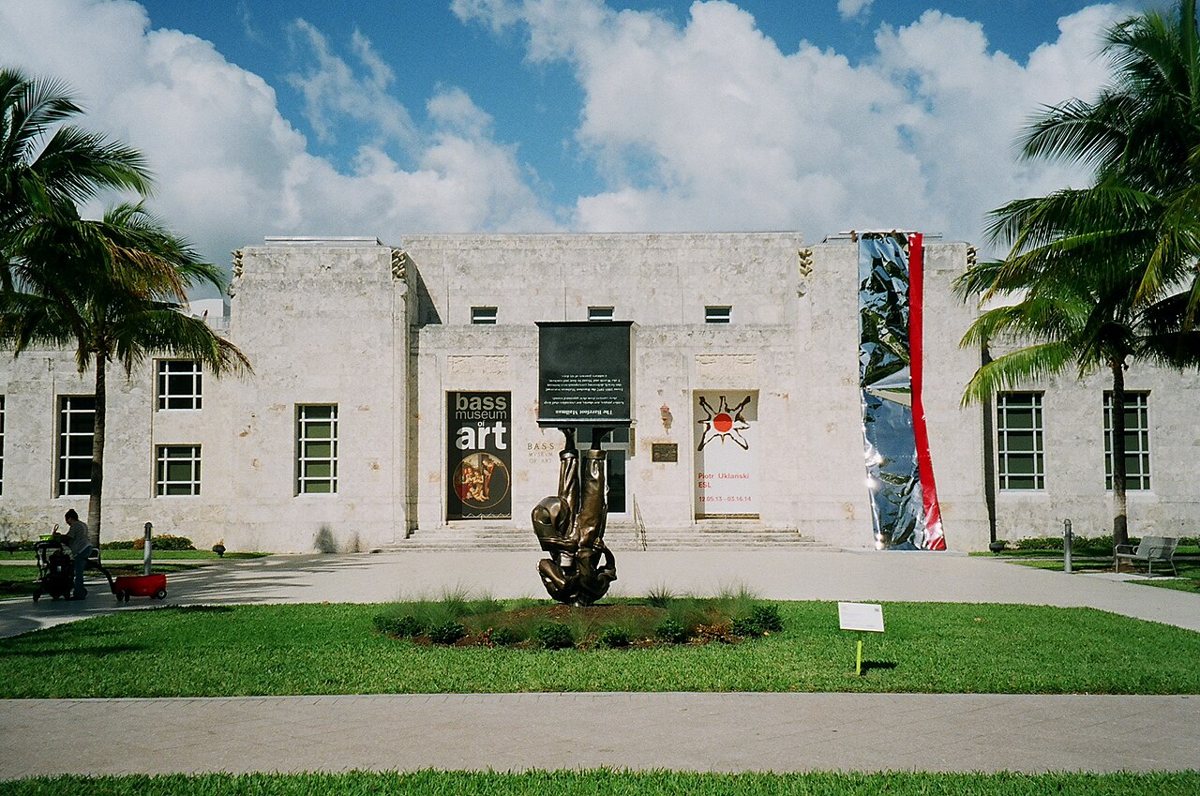
The Bass, in a 1930s Art Deco building in the middle of Collins Park on Miami Beach, focuses on international contemporary art and has a habit of commissioning large-scale, often playful installations that spill outside the building itself. It's a smaller museum than PAMM or the Rubell, which makes it easy to see fully in an hour without the fatigue that hits at the bigger institutions. It's worth checking what's installed in Collins Park itself before you go inside, since The Bass frequently extends its programming into the public park space around it, free to see without a ticket.

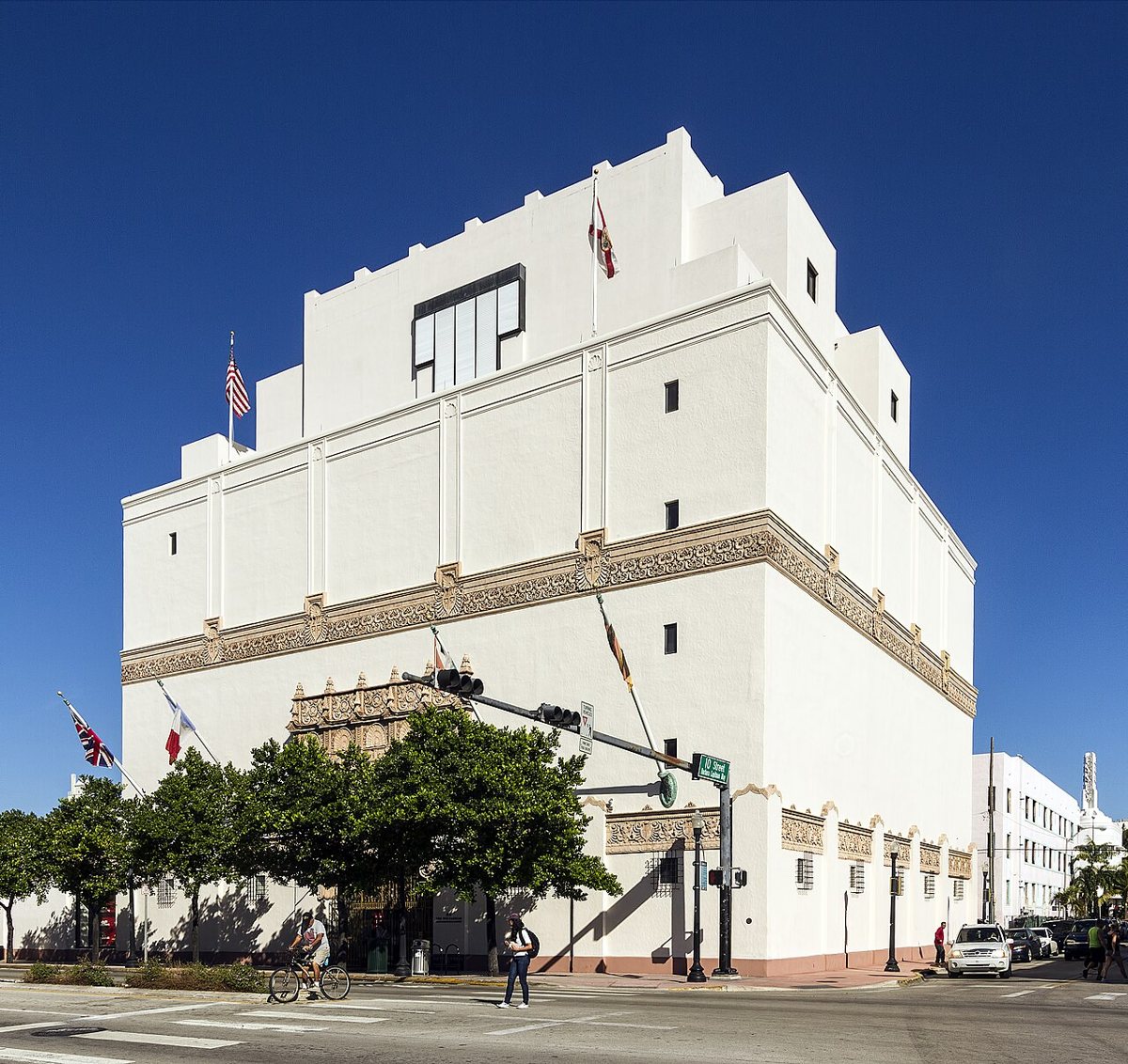
A few blocks away on Miami Beach, the Wolfsonian-FIU occupies a 1927 Mediterranean Revival storage building and holds a collection built around design, propaganda, and decorative arts drawn mostly from the century spanning the 1850s through the end of World War II. World's Fair ephemera, industrial design objects, and political posters all turn up in the same galleries. It's an odd, specific, genuinely fascinating museum for anyone interested in how design gets used to sell ideologies, not just products. The museum's rooftop and upper floors have some of the better views of Miami Beach's low-rise historic district, a version of the neighborhood most beach visitors never look up to see.

Little Haiti and the Wider Diaspora
No honest account of Miami's cultural institutions can treat this as a Cuban city with garnish. Haitian Miami is enormous, generations deep, and has its own dedicated cultural home.
Little Haiti Cultural Complex
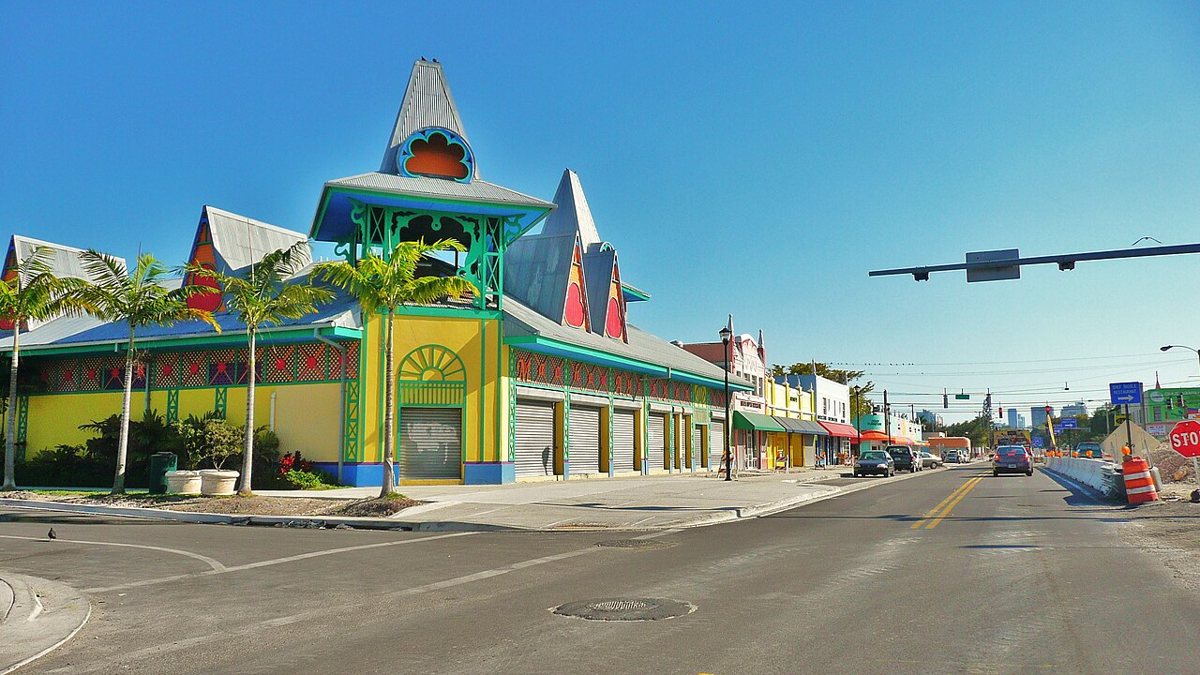
The Little Haiti Cultural Complex, anchored by a building modeled on Port-au-Prince's Iron Market and centered on a re-creation of a Caribbean marketplace, functions as both a museum and a living cultural center. Galleries and a theater host regular programming built around Haitian art and music, along with Vodou flag-making traditions. It's less a static collection you walk through once and more a venue that changes with what the community is doing that month, from Haitian Compas concerts to visual art exhibitions by Haitian and Haitian American artists. This is the place in Little Haiti to understand that Miami's Caribbean identity isn't a Cuban monolith, and treating it as an afterthought on a museum list would be its own kind of erasure. It's worth checking the complex's event calendar before visiting, since a performance or festival happening on-site can turn a quick museum stop into the best few hours of your trip.

Getting to Miami's Best Museums
Miami rewards planning your museum day around a car, with two exceptions.
Where you can walk, and where you can't
The Design District and Wynwood are genuinely walkable to each other and internally, with enough shade and sidewalk coverage, plus galleries close enough together, that you can park once and cover both neighborhoods on foot. Downtown's Museum Park is walkable between PAMM and Frost Science specifically, but not much beyond that pairing. Everything else on this list, Vizcaya, the Lowe, Coral Gables Museum, the Rubell and Superblue in Allapattah, the Miami Beach museums, and the Little Haiti Cultural Complex, sits far enough apart that a car or rideshare is the realistic way to connect them in a single day.
Timing it right
Give the Rubell Museum and PAMM at minimum two hours each if you want to see the current exhibitions properly rather than speed-walking them. Smaller stops need less: ICA Miami's galleries and the Coral Gables Museum can both be done well in sixty to ninety minutes, and the Wolfsonian fits roughly the same window. Heat is the real scheduling variable here, not crowds: outdoor spaces like Vizcaya's gardens and the sculpture garden at ICA are far more pleasant in the morning than at midafternoon for most of the year, so front-load anything with a significant outdoor component.
What's actually free
ICA Miami is free general admission, full stop, which makes it the easiest institution on this list to build into a spontaneous afternoon. Several other museums offer free or discounted hours or free admission for local residents at various points, and that access changes often enough that it's worth checking directly with each museum before you plan around it rather than relying on secondhand information. If you're building out a longer weekend itinerary beyond museums, a broader look at things to do in Miami fills in where these institutions fit around meals, parks, and neighborhoods.
Why These Are the Best Museums in Miami, Not Just the Biggest
The instinct with a city that photographs this well is to build a museum list around whatever looks best on camera, and Miami has plenty of that. The Herzog & de Meuron porch and the Rubell's cavernous former warehouse floors are proof enough, and Superblue's mirrored rooms were built for exactly this purpose. None of that is a complaint. But the museums that actually explain Miami are doing harder, less photogenic work: the American Museum of the Cuban Diaspora and the Little Haiti Cultural Complex hold community memory that no encyclopedic collection can, and HistoryMiami ties it all back to the Tequesta and the land boom that started it. Together they hold a fractured, exile city's memory in one place, immigrant history included. A visitor who only hits PAMM and the Wynwood galleries has seen Miami's art market. A visitor who adds even one or two of the community-specific institutions has started to see the city itself, in the languages its residents actually speak at home, which were never English first and never will be.