Things to Do in Miami: A Local's Guide
South Beach gets the postcards, but the real Miami runs on Cuban coffee, mural paint, and three languages at once. Here's where to actually spend your time.
The first ventanita on Calle Ocho opens before the humidity does. By seven, a line has already formed at the walk-up window, and nobody's ordering in English. A construction crew takes their cortaditos standing up. A retiree in a guayabera argues about the Marlins bullpen with the woman pouring espresso. A tourist who wandered off Ocean Drive the night before stares at the menu like it's written in code. It sort of is. This is the Miami that never makes the brochure, and it's exactly why any real list of things to do in Miami has to start blocks away from the beach, not on it. The best version of this city is Spanish and English, Cuban and Haitian and Venezuelan all at once, historic in some corners and unfinished in others, and it rewards people willing to drive fifteen minutes inland.
What follows is organized by area, because that's genuinely how Miami works. You don't hop across this city on a whim. You pick a neighborhood and let it fill your afternoon. Grab your coffee to go. We're starting west of the bay.
The Best Things to Do in Miami, Neighborhood by Neighborhood
Every neighborhood below can carry a half day on its own. Take them in whatever order traffic allows.
Little Havana: the Cuban Heart
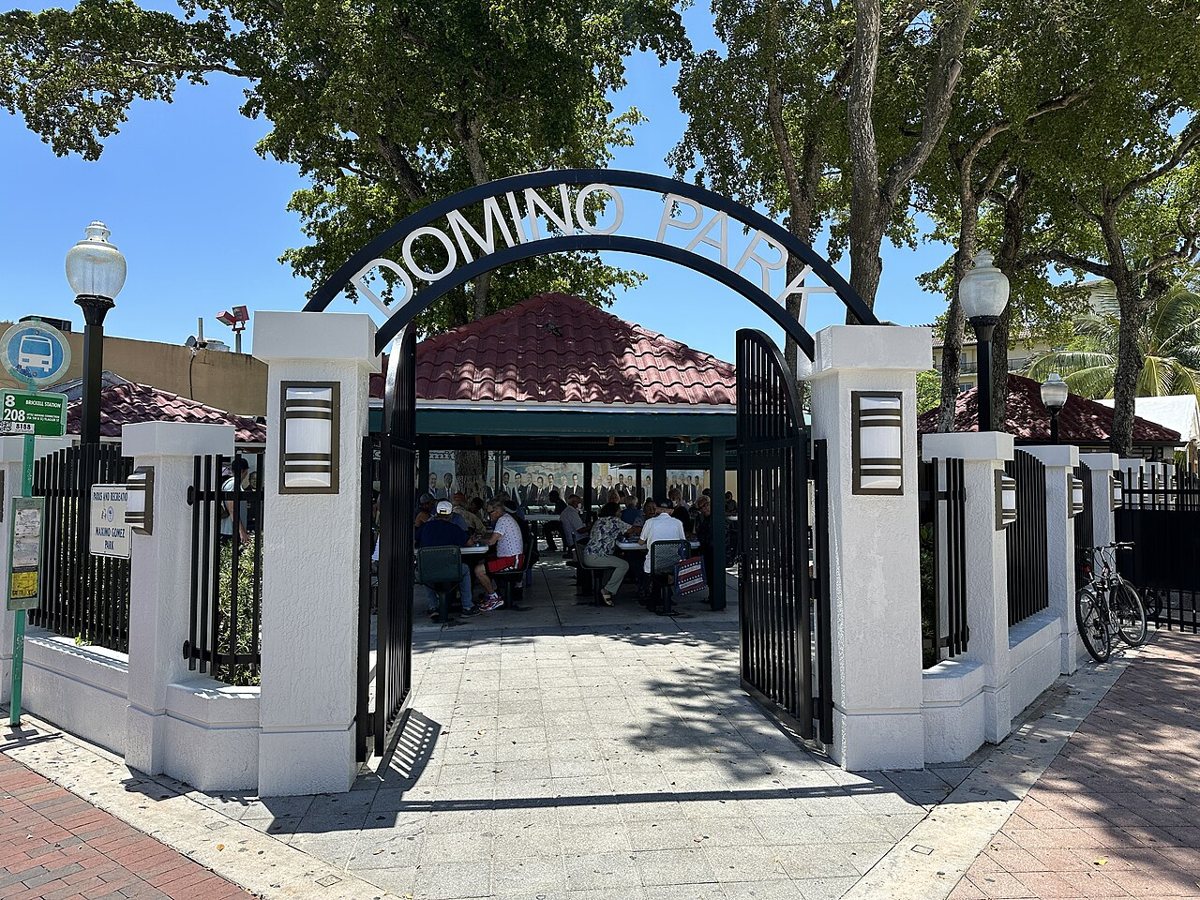
Calle Ocho, officially SW 8th Street, is the spine of Little Havana and remains the most honest place in Miami to spend a slow morning. Domino Park anchors a few blocks of it, where older men in guayaberas play dominoes at folding tables under a pavilion. Cigars go. Radios stay tuned to Cuban stations. A small crowd of onlookers gathers who came for exactly this. Nobody's performing for tourists. It's just what the neighborhood does every day, and it happens to be free to watch. Go on a weekday morning if you want to actually hear the dominoes hit the table instead of straining over foot traffic.

Walking Calle Ocho itself is the point more than any single stop. Murals of Celia Cruz and Cuban flags painted onto storefronts sit next to cigar rollers working in shop windows. Botanicas sell santeria supplies a few doors down. Windows stack with pastelitos on every block. Stop at a ventanita for a cortadito and a pastelito de guayaba, and don't rush it. This is the closest thing Miami has to a plaza. If you want the fuller meal, a proper Cuban sandwich pressed hot on Cuban bread is worth tracking down here rather than settling for the airport version. The neighborhood is quieter and more legible on weekday mornings. Friday nights bring Viernes Culturales, a monthly street festival with music and vendors that's worth timing a visit around if your dates line up, though check current scheduling since it isn't every week.
Downtown, Brickell, and the Bay
Brickell is where Miami's identity as a Latin American financial capital is most visible. Glass towers rise on Venezuelan, Colombian, and Argentine capital, and sidewalks that go quiet on weekends surge again during lunch hour on weekdays. It's not a sightseeing neighborhood so much as a mood. Walk it in the early evening when the light hits the bay and you'll understand why people call it Miami's Manhattan, minus the grid and plus the humidity.
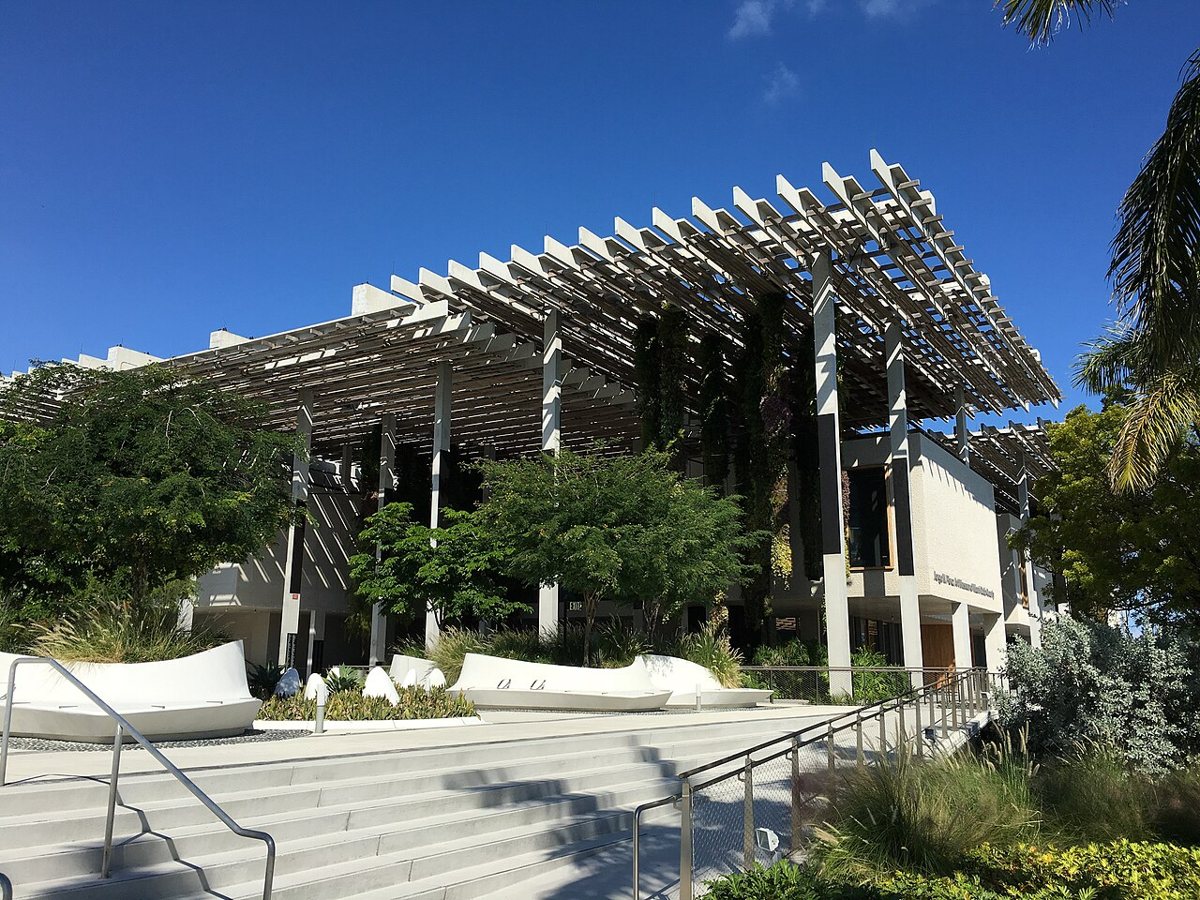
For an actual destination downtown, Pérez Art Museum Miami sits right on Biscayne Bay with hanging gardens designed by Patrick Blanc draping the exterior columns. The collection leans international and contemporary, with real strength in Latin American and Caribbean artists, which tracks for a museum built in this city. The waterfront terrace alone is worth the visit even if you only have an hour, and the museum sits inside Museum Park alongside the Frost Science Museum, so you can pair the two if you've got kids or a rainy afternoon. Go on a weekday if you want the galleries close to yourself. Check current hours before driving over, since museums shift seasonally.

From downtown, it's worth carving out time for the water itself. Biscayne Bay is the reason Miami exists where it does, and a boat tour or a simple walk along Bayfront Park gives you the skyline view that photographs never quite capture: the way the towers seem to grow straight out of the water. If baseball lines up with your trip, loanDepot Park downtown is home to the Marlins and one of the more architecturally distinct stadiums in the sport, with a retractable roof built for exactly this climate.
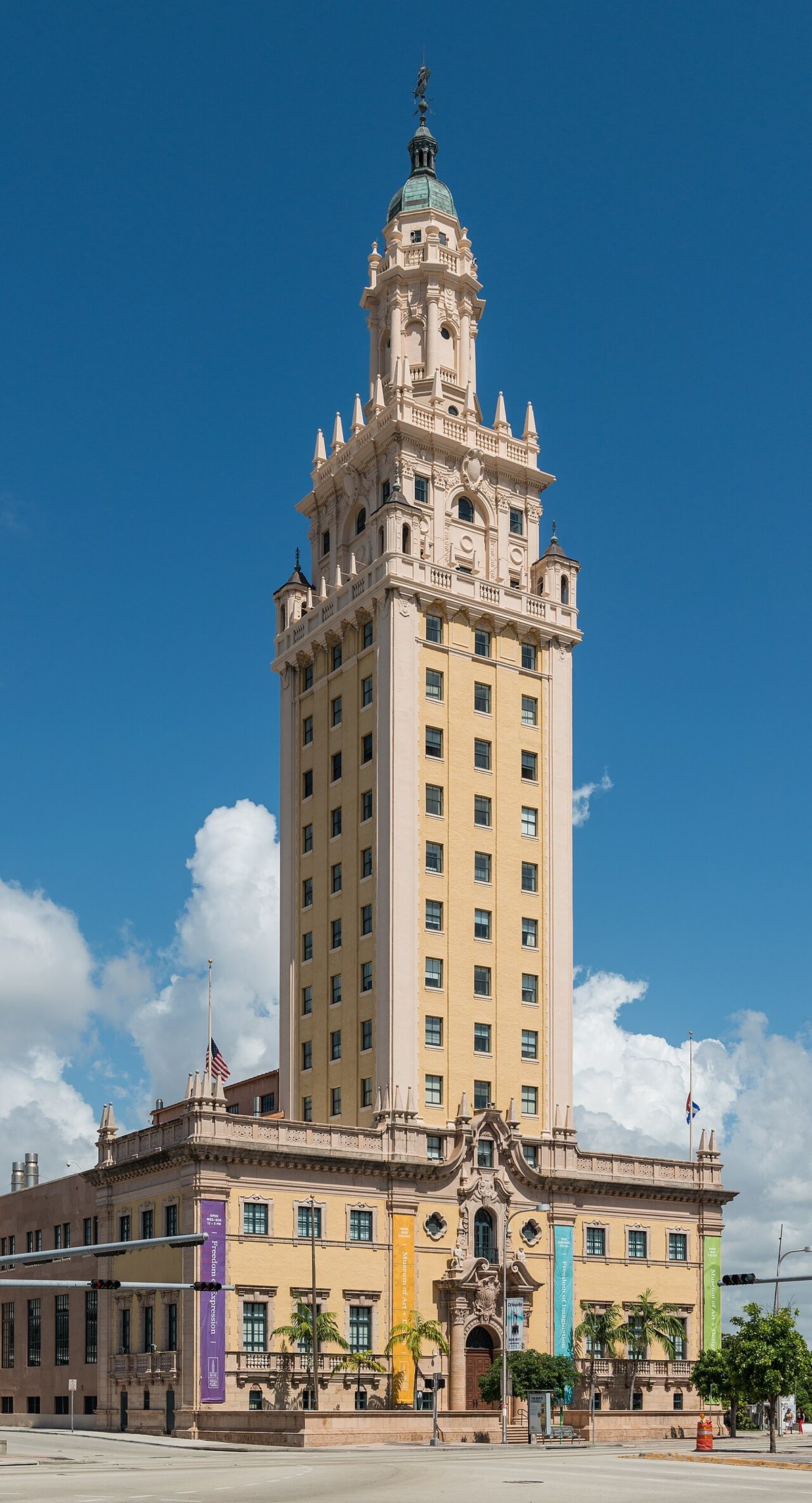
Freedom Tower sits nearby and deserves its own stop before we move north. The Mediterranean Revival building processed Cuban refugees in the 1960s and remains a genuinely significant civic landmark in the city's story. It's worth a slow look from the sidewalk even when you can't get inside. Give it five minutes and you'll understand exactly why this city speaks the languages it does.

Wynwood and the Design District
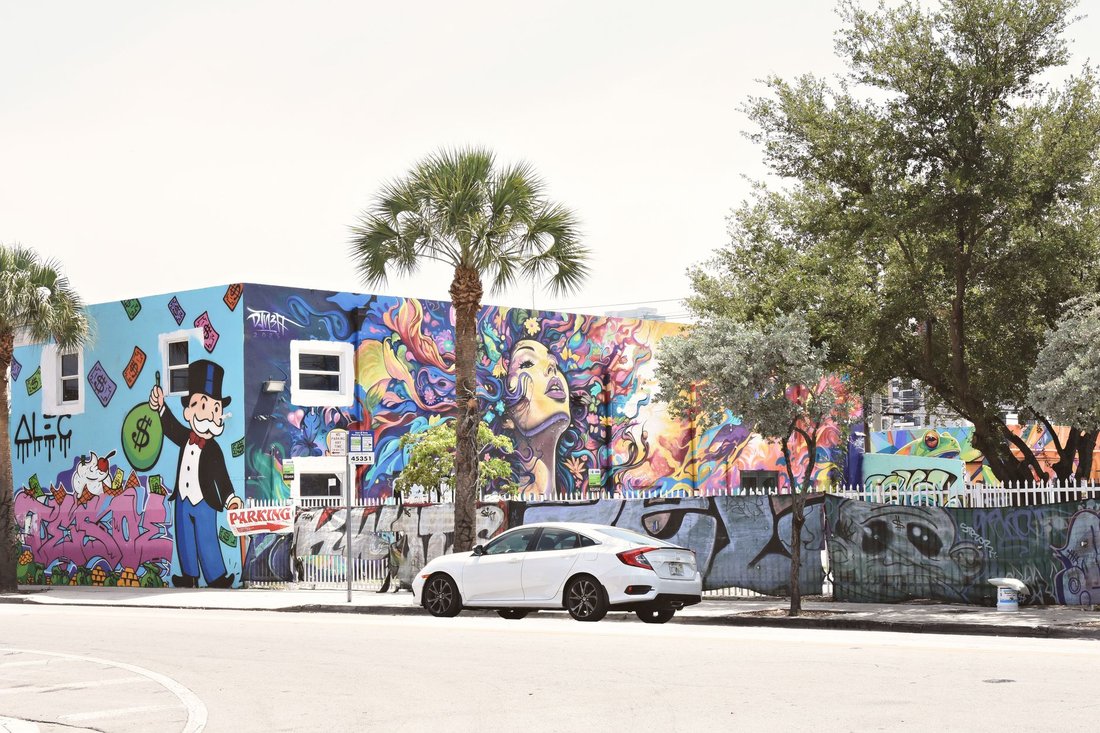
Wynwood Walls turned a stretch of warehouse district into an open-air mural museum, and it remains among the most photographed few blocks in the city for good reason. International street artists have covered nearly every surface, and the murals rotate often enough that repeat visits show something new. Yes, it's commercial now, packed with galleries-turned-retail and a steady stream of visitors with cameras out. The Miami New Times crowd will tell you Wynwood peaked a decade ago, and there's truth to that. But the murals themselves still hold up, and wandering the side streets past the main courtyard turns up work most people miss because they never leave the central plaza.
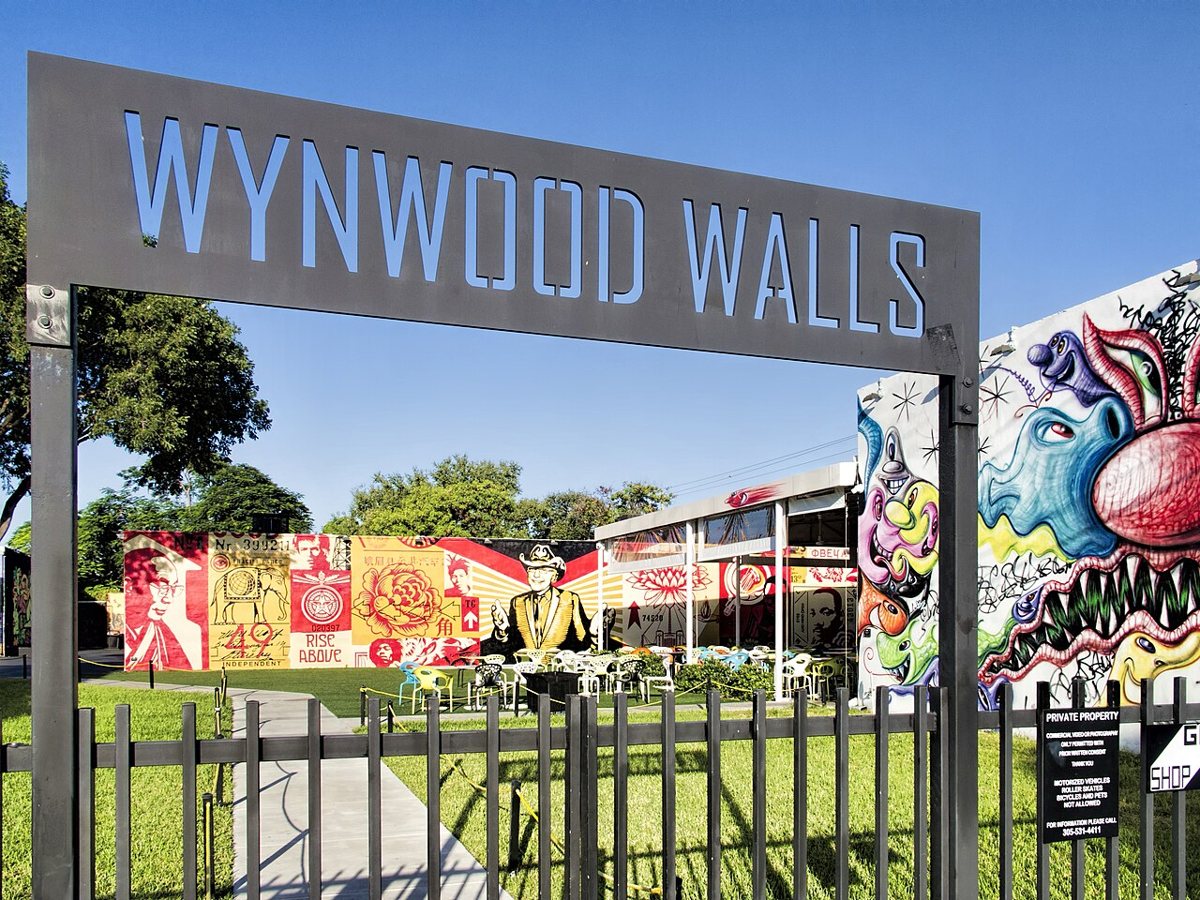

Go early on a weekday morning if you want photos without a crowd in every frame, and budget time to duck into the smaller galleries tucked into the surrounding blocks rather than just the main mural courtyard. Wynwood is also where a slower morning pays off: several spots in the neighborhood do a long, unhurried brunch, so if you're not in a rush, this is the place to let one run past two hours before you keep moving. A short drive north, the Design District operates on a completely different register: marble-floored, gallery-quiet, anchored by luxury flagship stores. It also holds some genuinely serious public art. The Fly's Eye Dome, a geodesic dome designed by Buckminster Fuller, sits installed in the Design District's Palm Court, and large-scale sculpture is scattered between the buildings around it. It's worth a walk-through even if you're not buying anything, purely for the architecture and the art that's just sitting outside for anyone to see.
Coconut Grove and Coral Gables
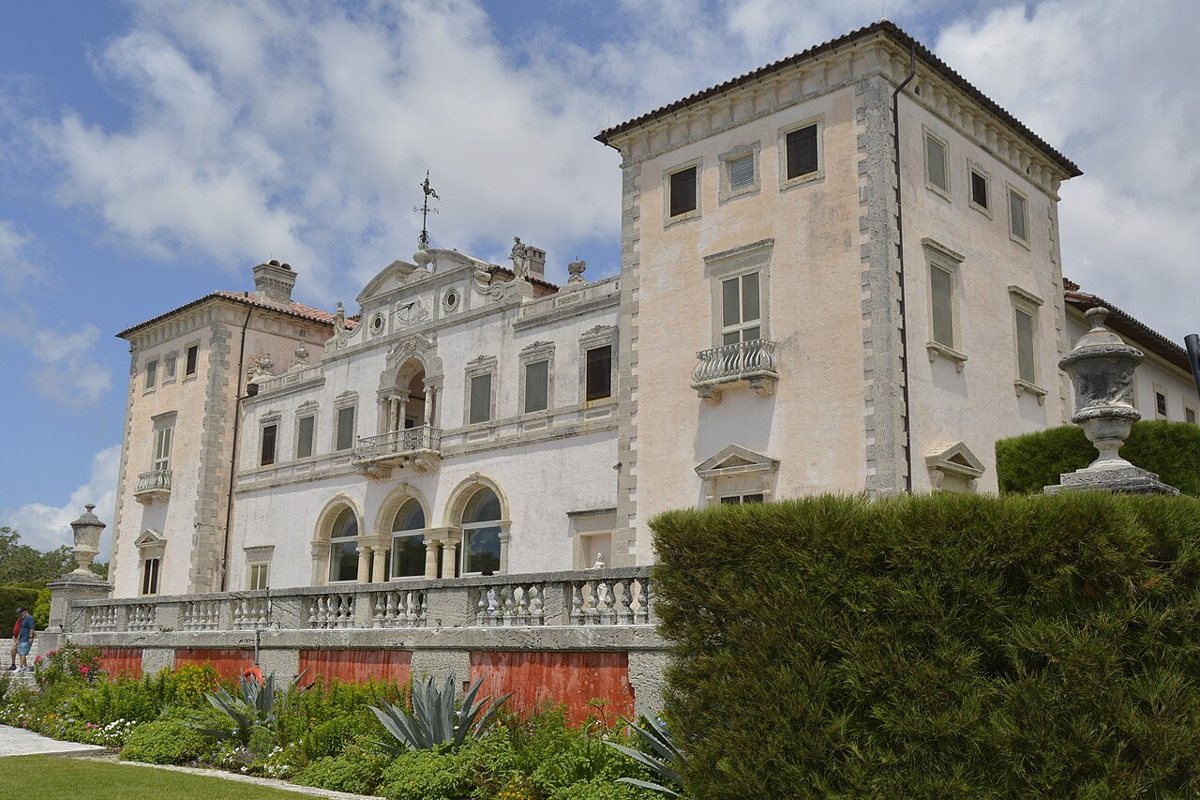
Coconut Grove is the oldest neighborhood in Miami, and it feels like it the moment the tree canopy thickens and the streets stop running in straight lines. This is where bohemian Miami and old family money have coexisted for generations, and the center of any visit is Vizcaya Museum and Gardens, the Italian Renaissance-style villa James Deering built on Biscayne Bay in the early twentieth century. The formal gardens alone justify the trip: stone terraces, fountains, and a limestone barge sculpture sitting just offshore that looks like it drifted out of another century. Walk the house first while the morning light is still soft, then take the gardens slowly. The gardens photograph best in the first hour after opening, before the humidity flattens the light and the crowds build.

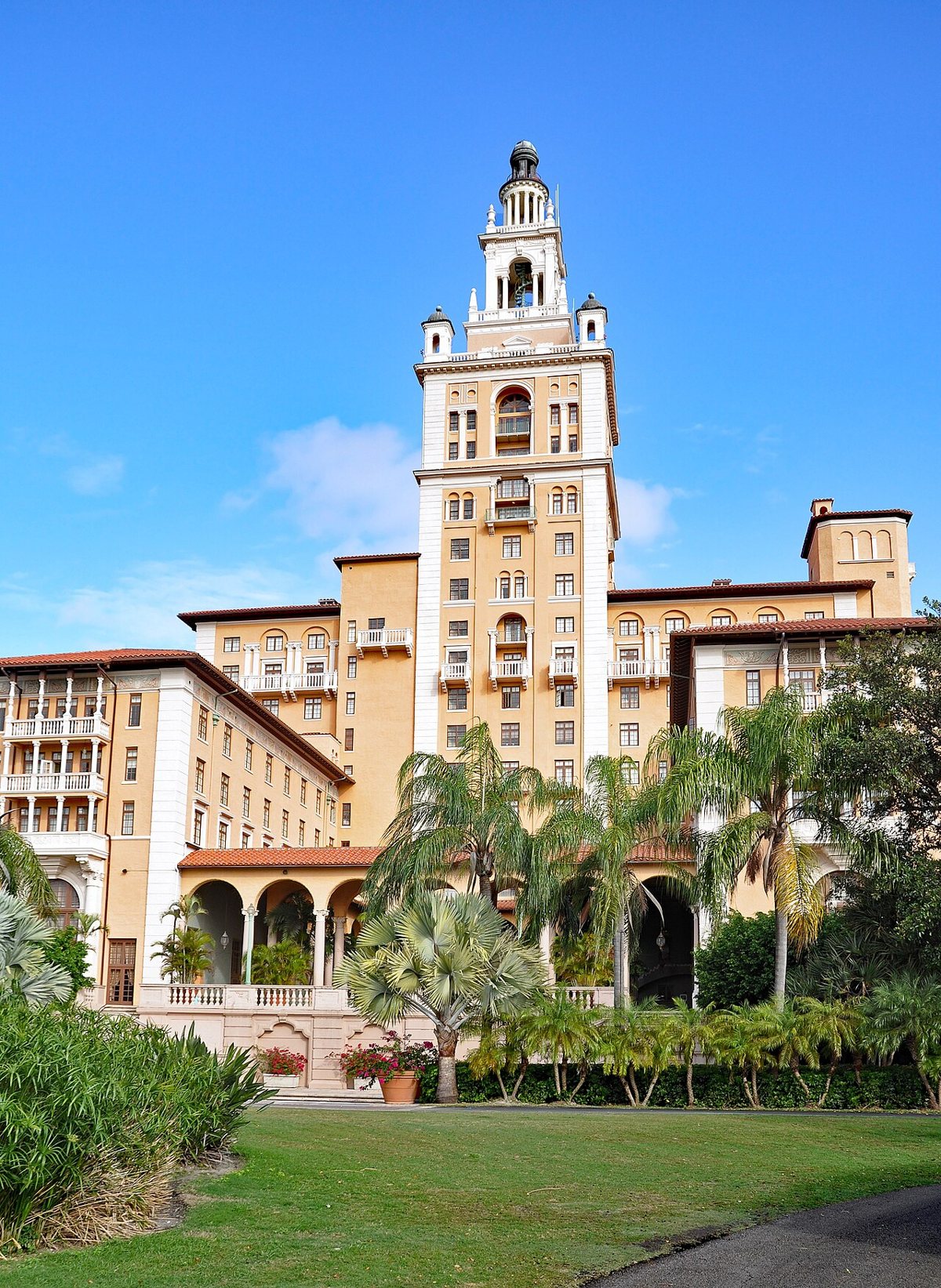
A short drive away, Coral Gables is the most architecturally disciplined neighborhood in the county, built in the 1920s around a strict Mediterranean Revival vision that the city still enforces today. Barrel-tile roofs, coral rock facades, and banyan-lined streets define almost every block. The Biltmore Hotel's Giralda-inspired tower anchors the neighborhood's skyline. Built in the same era as the rest of the Gables, the hotel has a guest list that runs deep into the city's history, and even if you're not staying the night, the lobby and the grounds are worth wandering through on their own. The University of Miami campus sits at the neighborhood's southern edge, giving the area a permanent undercurrent of college-town energy layered over old-money establishment polish.

Wander the Miracle Mile shopping stretch, then detour into the residential streets just to look at the houses. Nothing here is flashy in the Ocean Drive sense. It's quieter money, and the neighborhood is proud of it.
The Venetian Pool is a few blocks off Miracle Mile and worth building real time around rather than treating as a quick photo stop. It was carved out of a coral rock quarry in the 1920s, and instead of filling it like an ordinary pool, the builders leaned into the quarry's odd shape: there are small caves, a waterfall, porticoes, and Venetian-style lampposts around the edges. The water comes from an underground spring and gets drained and refilled on a rotation, which is part of why it stays clear and cool even in the thick of summer. It reads more like a grotto than a municipal pool, and it's one of the few places on this list where swimming is the actual activity rather than an afterthought. Come on a weekday morning if you want to actually swim laps in open water rather than dodge a crowd near the caves.
Fairchild Tropical Botanic Garden sits a short drive south of the Gables' core, and it's the closest thing Miami has to a proper rainforest walk without leaving the county. The garden holds a palm collection with few rivals anywhere, alongside a rainforest exhibit thick enough that the temperature and light genuinely shift once you're under the canopy. Fairchild also runs a rotating art installation program throughout the grounds, so sculpture shows up tucked between the palms and along the lake in a way that changes year to year. Walk the whole loop rather than just the entrance gardens. The rainforest section and the lake side are where the garden earns the "botanic" in its name. An early visit means cooler air under the canopy and fewer people between you and the art installations.
Little Haiti
Little Haiti doesn't get nearly the coverage Little Havana does, which is its own kind of oversight given how much Haitian culture has shaped this city. The Little Haiti Cultural Complex hosts a public market, gallery space, and a theater, and it functions as the neighborhood's anchor the way Domino Park anchors Little Havana. Compas music spills out of storefronts. Botanicas sell Haitian religious goods alongside Cuban ones a few blocks over. Murals depict Haitian history and Vodou iconography with a boldness you won't see replicated anywhere else in the city.
Food is the easiest entry point if you're new to the neighborhood: griot, the twice-cooked marinated pork Haiti is known for, shows up at unassuming storefront spots throughout the area, often served with pikliz and fried plantains. The neighborhood has been gentrifying for years now, with new development pressing in from Wynwood's northern edge, which makes visiting now, and spending money at Haitian-owned businesses specifically, more meaningful than it might have been a decade ago. Go with some intention here rather than treating it as a drive-through curiosity.
Key Biscayne and the Barrier Islands
Cross the Rickenbacker Causeway and the whole mood shifts. Mangroves crowd the water's edge, sailboats drift past, and Bill Baggs Cape Florida State Park sits at the island's southern tip, home to a lighthouse that ranks with the oldest in Florida and a genuinely good beach that doesn't carry South Beach's circus energy. It's the best place in the county for a bike ride along the water, and the causeway itself, with its long bridge views back at the downtown skyline, is worth the drive alone.
Everglades National Park: the Shark Valley Day Trip
Most visitors picture the Everglades as an all-day airboat excursion, but the Shark Valley entrance, off the Tamiami Trail west of the city, makes it a genuinely manageable half-day trip without a guide. A paved fifteen-mile loop road runs straight into the sawgrass, and you can walk it, bike it, or take the tram that runs the full loop. Alligators sun themselves right on the pavement often enough that it stops being surprising after the third or fourth one, and the birdlife along the canal that parallels the road, herons, egrets, anhingas, is dense enough to keep you stopping every few hundred feet.
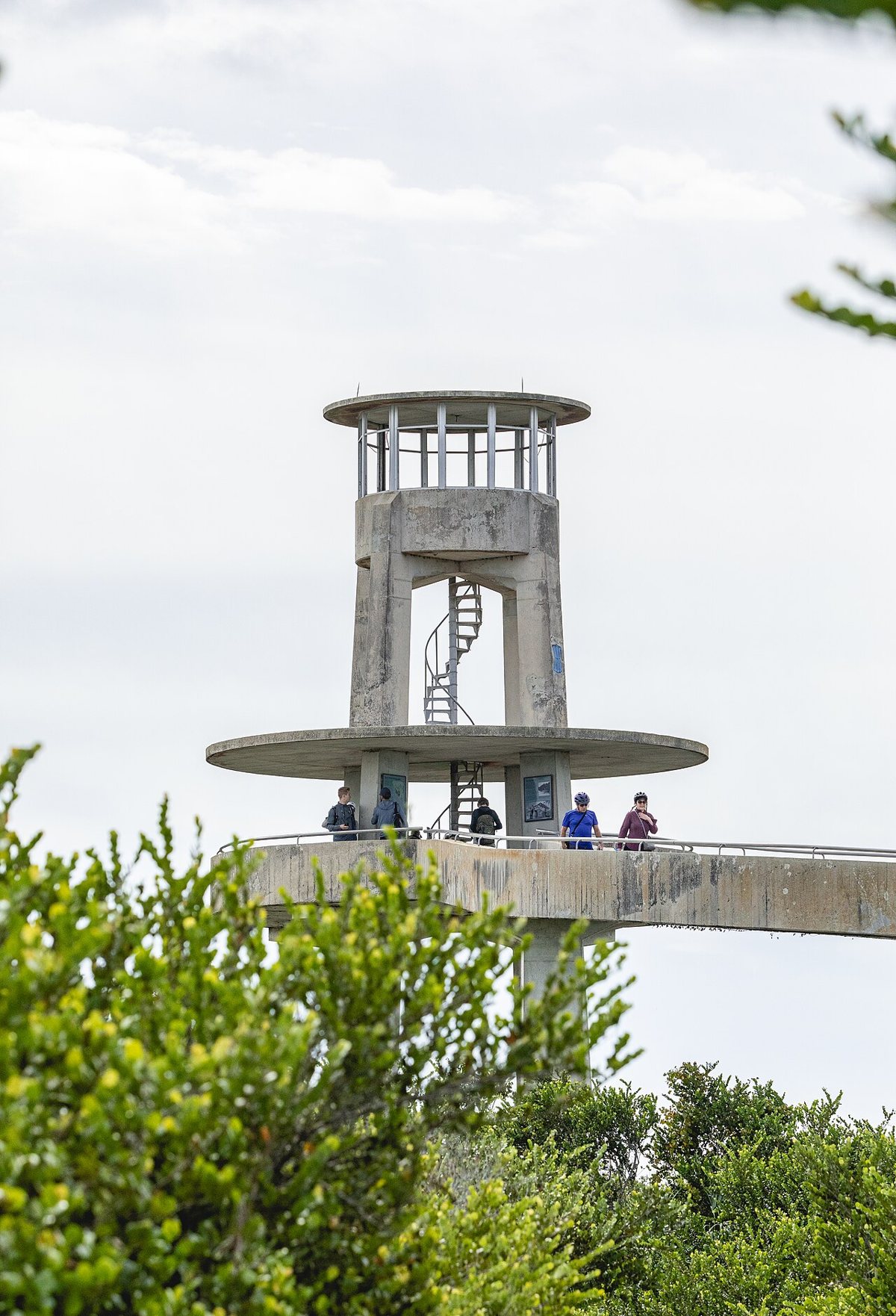
At the halfway point, an observation tower spirals up above the sawgrass and gives a flat, unbroken view of the Everglades that's hard to get anywhere else without a plane. Climb it slowly and give yourself a few minutes at the top before heading back down. Insider tip: go early in the day, both for cooler temperatures on the bike or tram and because the alligators tend to be more active and more visible near the road before the heat sets in.

South Beach's Southern Tip: South Pointe Park
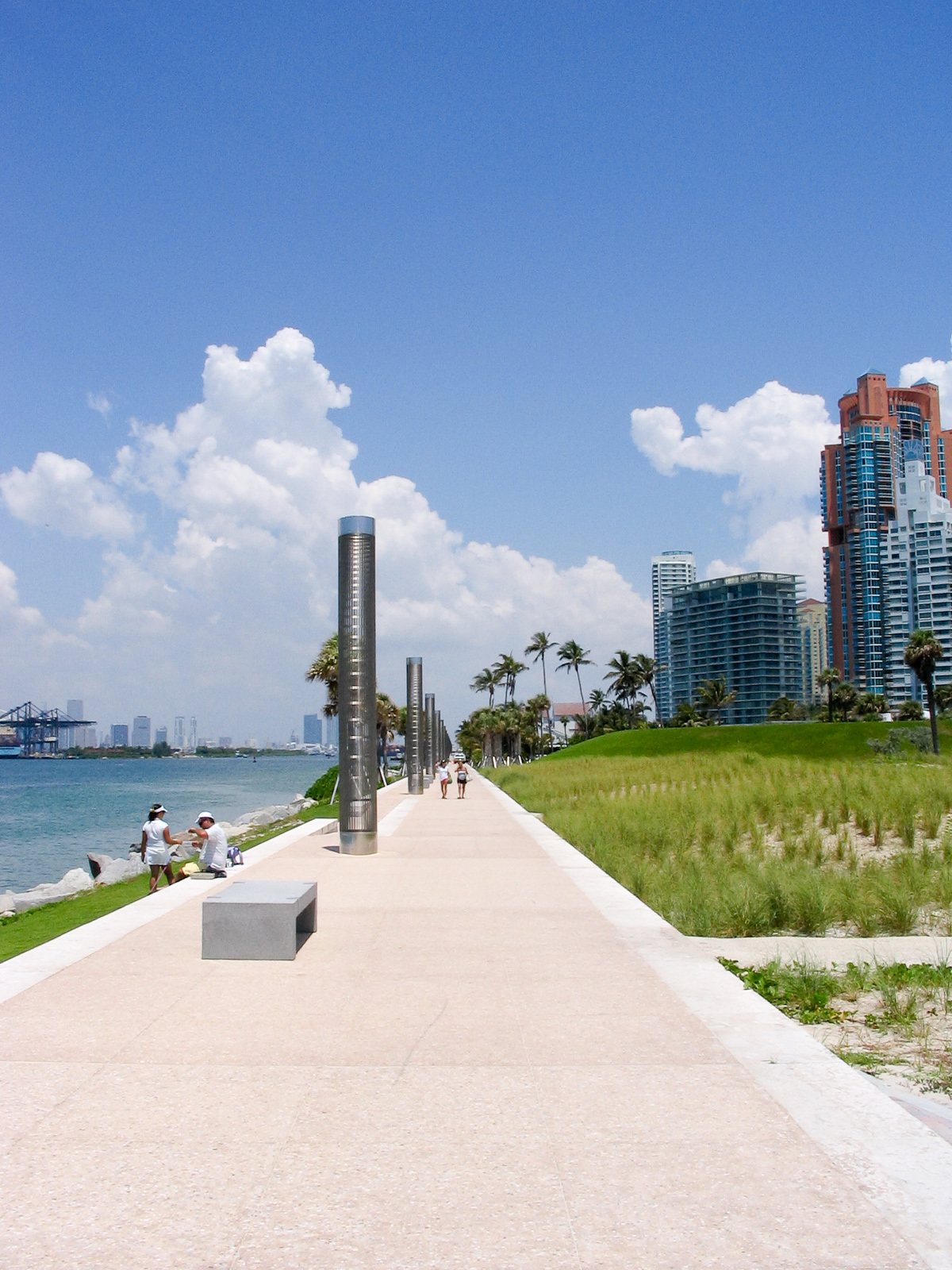
South Beach draws plenty of skepticism from people who live here, and most of it is earned. But South Pointe Park, at the southern tip of Miami Beach, is the one stretch locals will still defend without hesitation. It sits where the beach meets Government Cut, the channel cruise ships use heading out to sea, and watching one of those ships pass close enough to hear is its own small spectacle if your timing lines up.
The park itself is landscaped with dunes and walking paths rather than packed with the volleyball nets and hotel crowds that define the beach a mile north, and a long pier extends out past the sand, giving you a clean line of sight back at the South Beach skyline and out toward the passing ships. It's a good spot for an early walk before the rest of the beach wakes up, or an evening one when the ship traffic and the light both cooperate. Check a cruise schedule before you go if watching a ship depart up close is the actual goal, since the timing varies day to day.

Festivals and Sports Worth Planning Around
Miami's cultural calendar is built around a few fixed points, even without locking into specific dates. The Calle Ocho festival caps off Carnaval Miami each spring and turns Little Havana's main strip into a street festival with few equals in the country, with music stages, food vendors, and a crowd that swells well beyond the neighborhood's usual foot traffic. Art Basel Miami Beach arrives in the winter and briefly turns the entire city, not just the beach, into an extended gallery. Satellite fairs pop up in Wynwood and the Design District, and even people who couldn't care less about contemporary art end up going to a party tied to it. Neither of these needs South Beach to be worth attending; the interesting version of both happens inland.
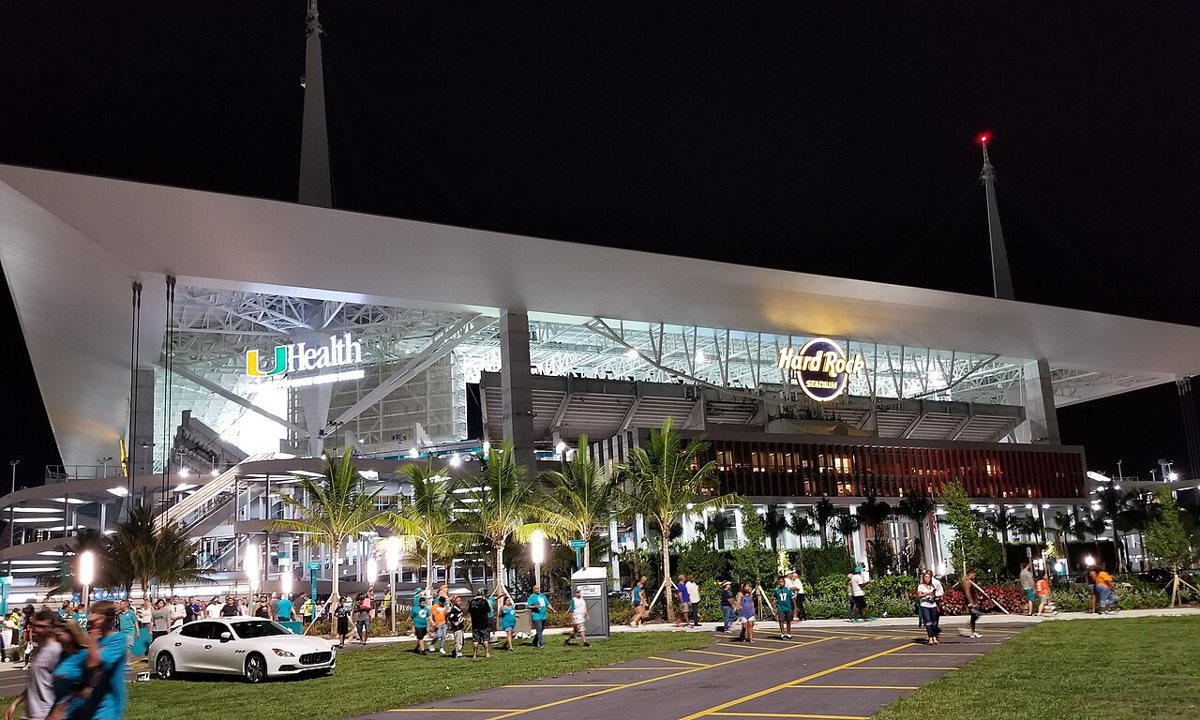
Sports fans have two major venues to work around: loanDepot Park downtown for the Marlins, and Hard Rock Stadium up in Miami Gardens for the Dolphins and a rotating slate of major events, from soccer to concerts. Both are easy additions if a game happens to land during your visit, though it's worth checking a current schedule rather than assuming.

Getting Around, Timing It Right, and What's Actually Free
- Traffic is the single biggest variable in how your day goes. Causeways and I-95 back up hard during weekday rush hours, so plan neighborhood-hopping for mid-morning or mid-afternoon rather than trying to squeeze in a Brickell-to-Wynwood run at 5 p.m.
- A car is close to essential for covering multiple neighborhoods in one trip, though the Metromover downtown is free and genuinely useful for getting around Brickell and the Museum Park area without driving.
- Mornings are the move almost everywhere on this list. Murals photograph better, gardens are cooler, and Domino Park and the ventanitas are liveliest before the afternoon heat sets in.
- Free or nearly free: Domino Park, walking Wynwood Walls' surrounding streets, Calle Ocho itself, the Freedom Tower exterior, Miracle Mile in Coral Gables, and most of the Design District's public art.
- Summer brings serious heat and a real chance of afternoon thunderstorms nearly every day, so build outdoor plans for the morning and hold the museums for later.
The Real Point
Miami keeps getting written up as a backdrop: a skyline for a magazine shoot, a nightlife scene frozen somewhere around 1997, a beach with a velvet rope. None of that is where the city actually lives. It lives in the Spanish and Kreyòl you'll hear waiting for a Cuban coffee. It lives in a mural district that still has soul left in its side streets, in a villa built by a Chicago industrialist that somehow feels completely at home on a mangrove coastline, in a cultural complex in Little Haiti that most visitors never find because nobody told them to look. Skip South Beach for a day, or at least don't let it be the whole trip. The city rewards people who treat its neighborhoods as destinations in their own right rather than detours between hotel and airport, and it never once asks you to pretend the domino games under the pavilion aren't the actual point.