Best Parks in Miami for 2026
From a mangrove-choked state park at the mouth of the bay to a botanical garden built by the man who brought mangoes to Florida, here is where Miami actually goes to breathe.
The cortadito is still hot when the dominoes start slapping down at Máximo Gómez Park on Calle Ocho, three men in guayaberas already arguing through a second game before eight in the morning. Ranking the best parks in Miami has to start from a scene like this one, because it says something true about how this city treats its outdoor space: hard, daily, and without much interest in what outsiders assume Miami parks look like. A block over, a woman walks a small dog past a mural of a Haitian flag, and the smell of a pastelito de guayaba drifts out of a ventanita window that never seems to close. None of this is South Beach. It never was.
A serious accounting of the best parks in Miami means looking past the postcard and into the neighborhoods that actually built this place. It means a downtown bayfront that has hosted rallies and concerts since before Brickell had a skyline to speak of, a working botanical garden in Coral Gables planted by the agricultural explorer who brought mangoes and avocados to Florida, and a barrier island state park where a nineteenth-century lighthouse still stands watch over the mouth of Biscayne Bay. It means mangrove creeks in North Miami-Dade paddled by kayakers who have never once considered a hotel pool, and a public swimming hole carved into limestone rock in Coral Gables that predates Florida's theme park era by decades. It also means acknowledging that Miami's park system reflects its people: Cuban, Haitian, Venezuelan, Nicaraguan, Bahamian, and everyone else who has built a life here, all of whom show up on weekends with coolers and folding chairs and no interest in anyone else's itinerary. This guide covers the real ones, the parks locals actually use, organized by where you will find them.
The Best Parks in Miami, Neighborhood by Neighborhood
Miami-Dade's park system runs on three separate tracks that rarely get sorted out for visitors: county parks under Miami-Dade Parks, Recreation and Open Spaces, city parks run by Miami, Hialeah, North Miami, and the other municipalities that make up the county, and Florida state parks with their own separate rules and fee structures. That distinction matters less for a day out than what to expect once you arrive, so treat the geography below as the real map and worry about jurisdiction later. What unites almost all of them is water. Nearly every park worth visiting here sits on the bay, on the ocean, on a canal, or on a lake carved out of old rock quarry, because Miami-Dade's limestone geology and its subtropical climate shaped the parks system as much as any planning department did.
Downtown and the Bay
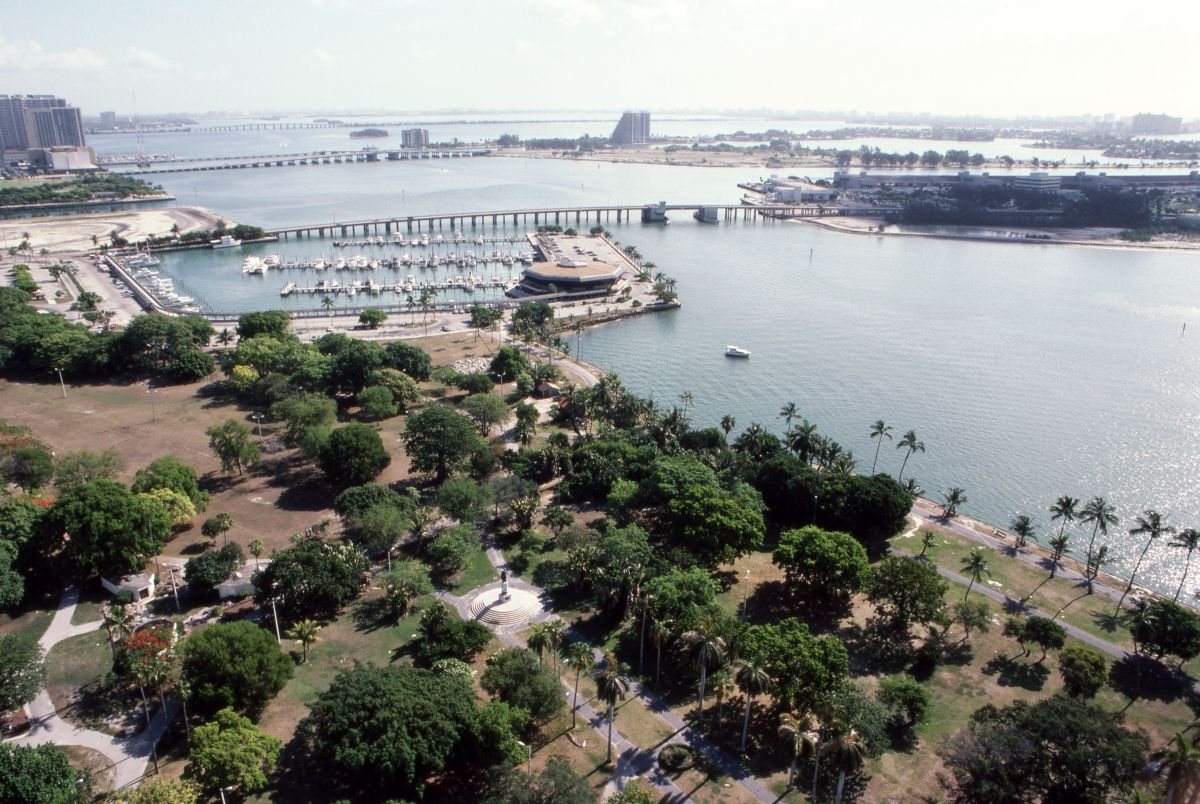
Bayfront Park sits where downtown Miami meets Biscayne Bay, and it has functioned as the city's civic front yard for close to a century, dating back to a 1920s master plan for the city's waterfront. The grounds were reshaped in the 1980s with input from sculptor and landscape architect Isamu Noguchi, whose fingerprints are still visible in the amphitheater and the rock garden near the bay walk. Joggers use the seawall path at dawn, office workers eat lunch under the palms, and the eternal flame memorial to John F. Kennedy sits quietly a few hundred feet from where cruise ships glide past on their way out to open water. Political rallies, naturalization ceremonies, and outdoor concerts have all used this park's amphitheater over the decades, and that civic function has never fully given way to tourism the way it has at some other waterfront sites. It is not a wilderness experience. It is a downtown park doing exactly what a downtown park should do, and it draws heavier daily use than almost any other green space in the county.

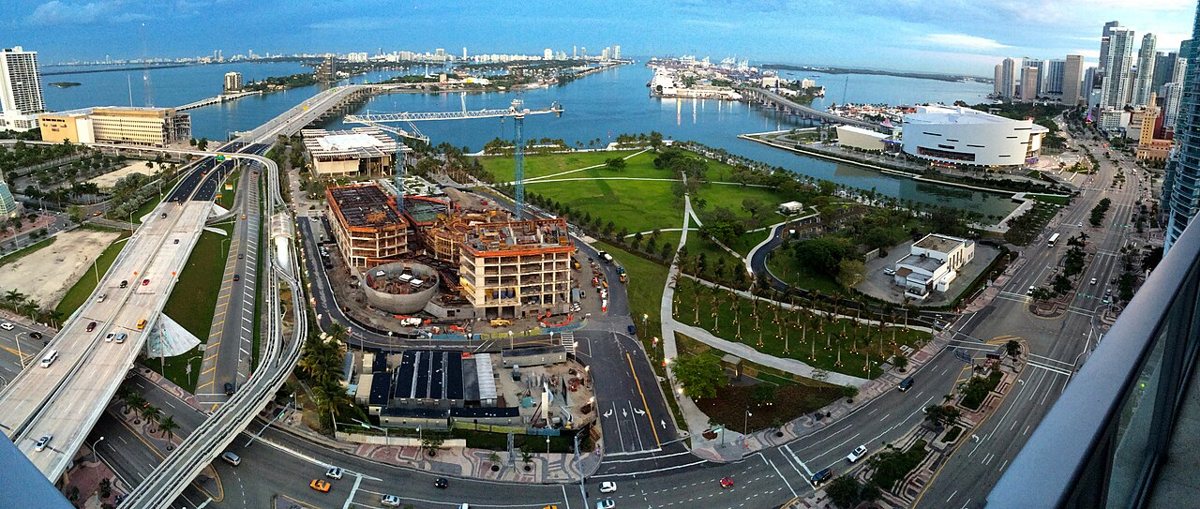
A short walk north along the water, Maurice A. Ferré Park, still known to most residents by its old name, Museum Park, anchors Miami's cultural waterfront. The Pérez Art Museum Miami and the Phillip and Patricia Frost Museum of Science both sit inside its boundaries, their architecture visible from the open lawn that slopes down toward the bay. Families come for the science museum's aquarium wing and stay for the grass, which is wide enough for a soccer game and open enough to catch the breeze coming off the water. On a clear evening the view stretches across to Virginia Key and beyond, and the park's bay walk connects north toward the arena district, making it an easy add-on to a museum visit rather than a separate destination. Renamed for the mayor who championed the museum campus, the park represents one of the more deliberate pieces of downtown planning in a city not always known for it.

Coconut Grove and Coral Gables
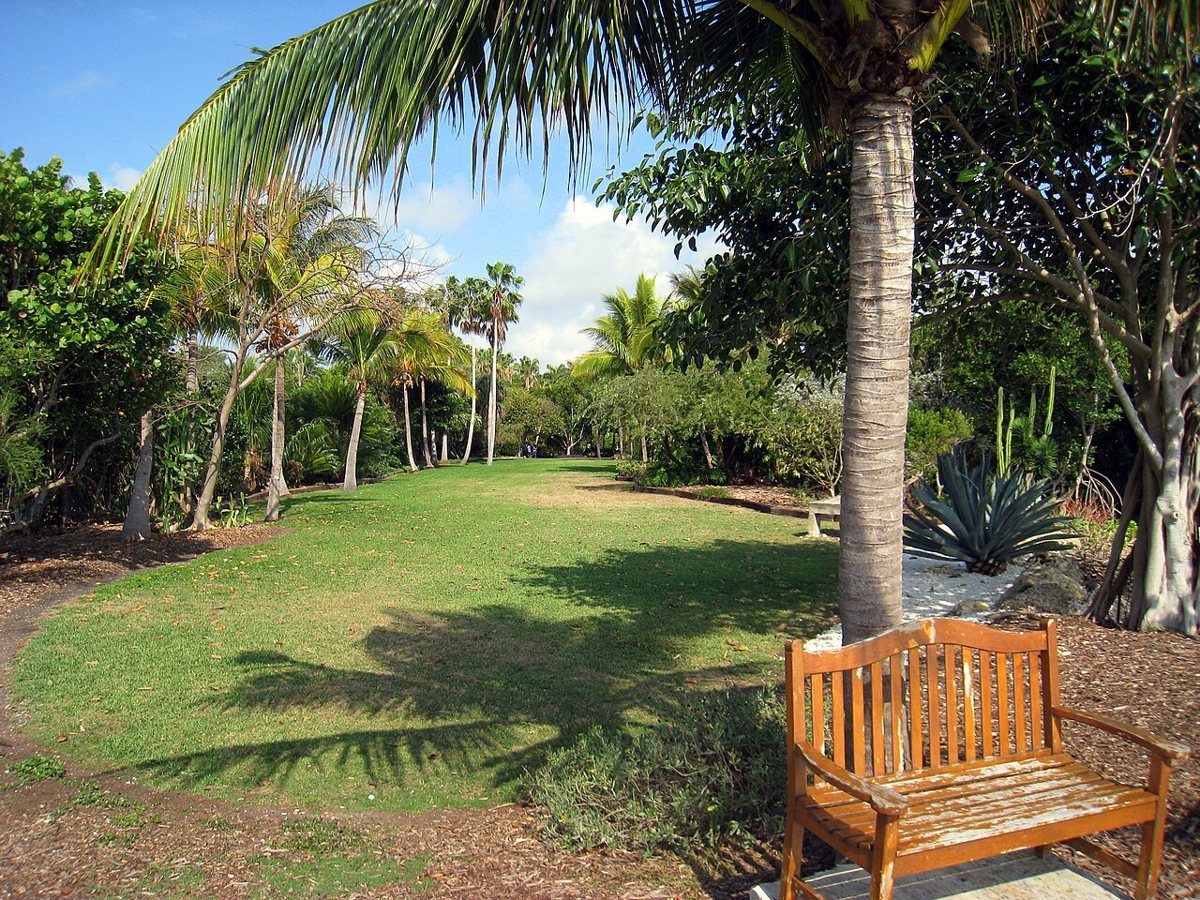
The Kampong, tucked along a quiet stretch of Coconut Grove's bayfront, was once the home and living laboratory of David Fairchild, the botanist whose plant-hunting expeditions introduced mangoes, avocados, and countless other now-familiar crops to American soil. Today the property is one of five gardens managed by the National Tropical Botanical Garden, and it functions less like a manicured public park and more like a walk through a working collection: towering fruit trees, a historic house, and a bayfront lawn shaded by canopy that Fairchild himself helped select decades ago. It rewards a slow pace and a bit of curiosity about where your produce actually comes from, and the guided tours offered on site tend to draw out details that a solo walk would miss entirely, from grafting techniques to the origin stories of specific tree specimens.

A few minutes away, The Barnacle Historic State Park protects the oldest house in Miami-Dade County still standing on its original site. Built by boat designer Ralph Munroe in the 1890s, the pine-and-hardwood home sits inside a pocket of tropical hammock that gives a fair sense of what Coconut Grove's bayfront looked like before anyone thought to call it Coconut Grove. The grounds slope down to a small beach and a boat basin, and the whole property still feels more like a preserved homestead than a formal park, which is exactly its appeal. Coconut Grove's broader sailing culture, still visible today at the marinas along this stretch of shoreline, traces directly back to Munroe and his neighbors, and the park's small boathouse still holds replicas connected to that maritime history.
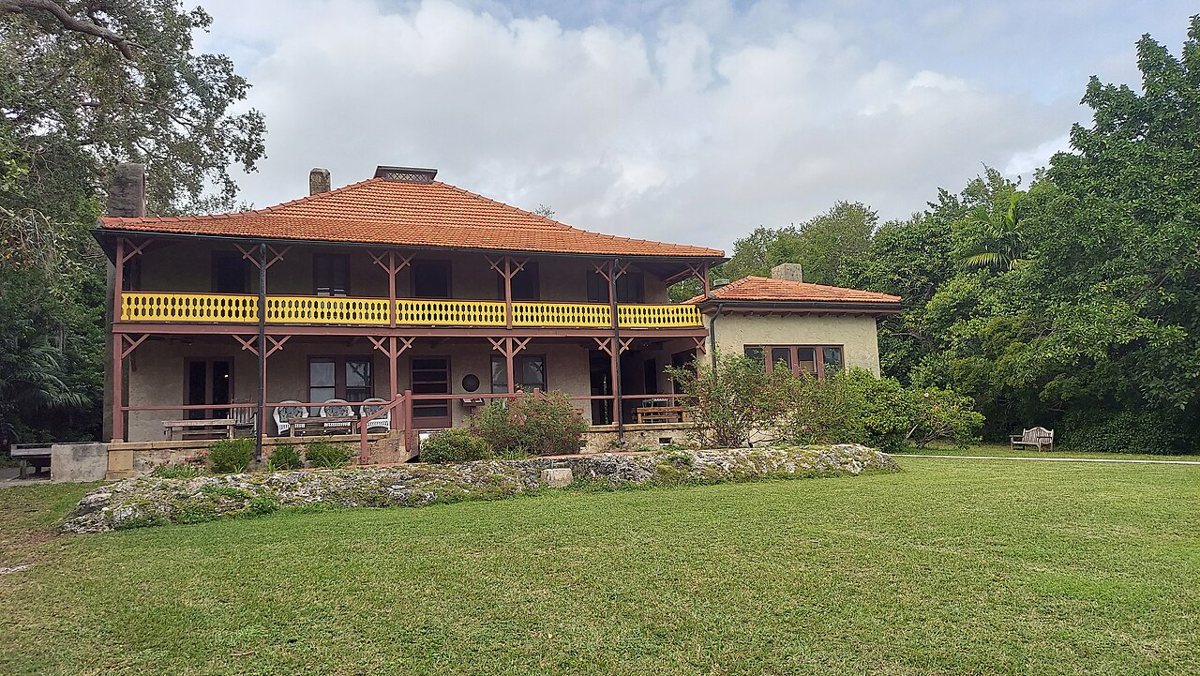

West of the Grove, in Coral Gables, Matheson Hammock Park combines two very different experiences in one property. Along the shoreline sits the atoll pool, a man-made saltwater swimming basin carved out of coral rock and separated from Biscayne Bay by a narrow strip of land, built as a Depression-era public works project and still filling and draining with the tides. Inland, a tropical hardwood hammock trail winds through gumbo limbo and strangler fig, offering shade and a genuine sense of enclosure a few minutes' drive from Coral Gables' grid of banyan-lined streets. The park's marina adds sailboats bobbing against the mangrove line, and the whole combination, pool, hammock, and marina, makes it one of the more complete single-visit parks in the county. Families with small children tend to gravitate toward the calmer water of the atoll pool over the open bay, since it stays shielded from wind chop and boat traffic.
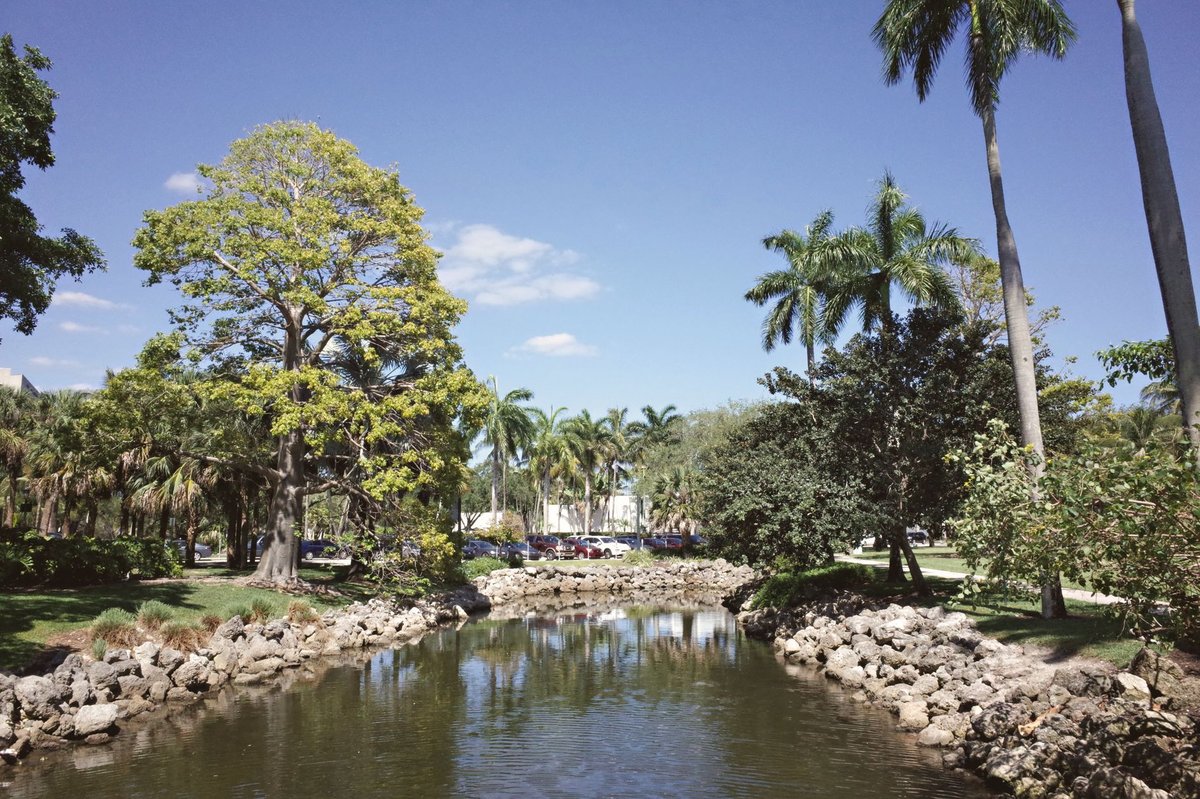
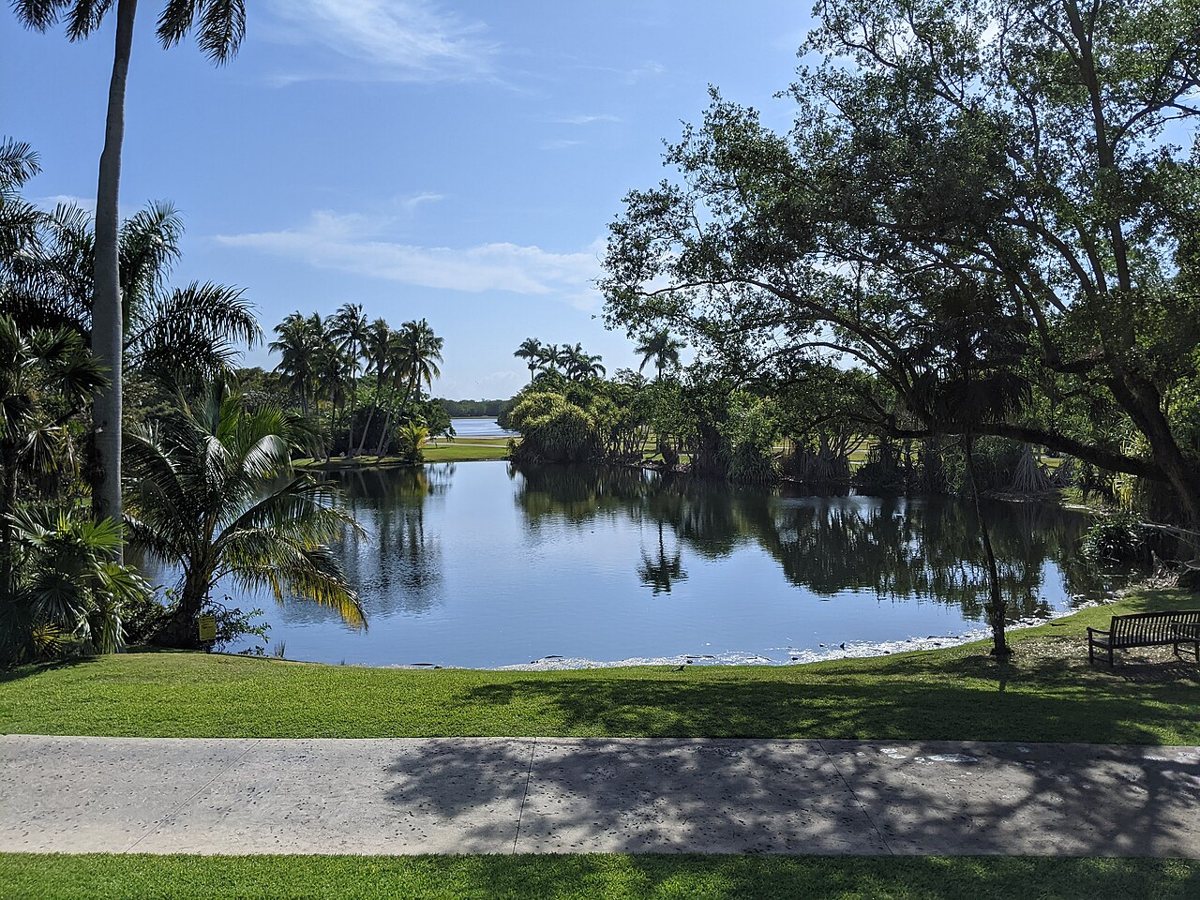
Fairchild Tropical Botanic Garden, named for the same David Fairchild who once tended The Kampong, spreads across more than 80 acres nearby and ranks among the country's premier tropical botanical collections. Its rainforest exhibit, palm collection, and seasonal butterfly conservatory draw serious plant people, while the open lake and rolling lawns make it an easy morning for anyone who just wants to walk somewhere green. The garden's tram tours cover ground quickly for visitors who want the overview before doubling back on foot to the sections that hold their interest, whether that is the cycad collection, the vine pergola, or the rare tropical fruit pavilion. It is a ticketed garden rather than a free county park, but it belongs on any honest list of the best parks in Miami because nothing else in the region matches its horticultural depth, and its research arm continues the plant collecting tradition that Fairchild himself started more than a century ago.

Back on the Coconut Grove waterfront, David T. Kennedy Park offers a lower-key, more residential counterpoint to its grander neighbors. Locals bring dogs to the fenced dog park, teenagers use the skate ramps, and sailors from the Coconut Grove Sailing Club and Coral Reef Yacht Club rig their boats within sight of the open lawn. It is not a destination park for visitors chasing landmarks, but it captures the texture of daily Grove life better than almost anywhere else in the neighborhood, from pickup volleyball games on the sand courts to families watching the sunset over the marina. It sits close enough to CocoWalk and the neighborhood's restaurant strip along Grand Avenue to fold naturally into a longer afternoon.
Key Biscayne
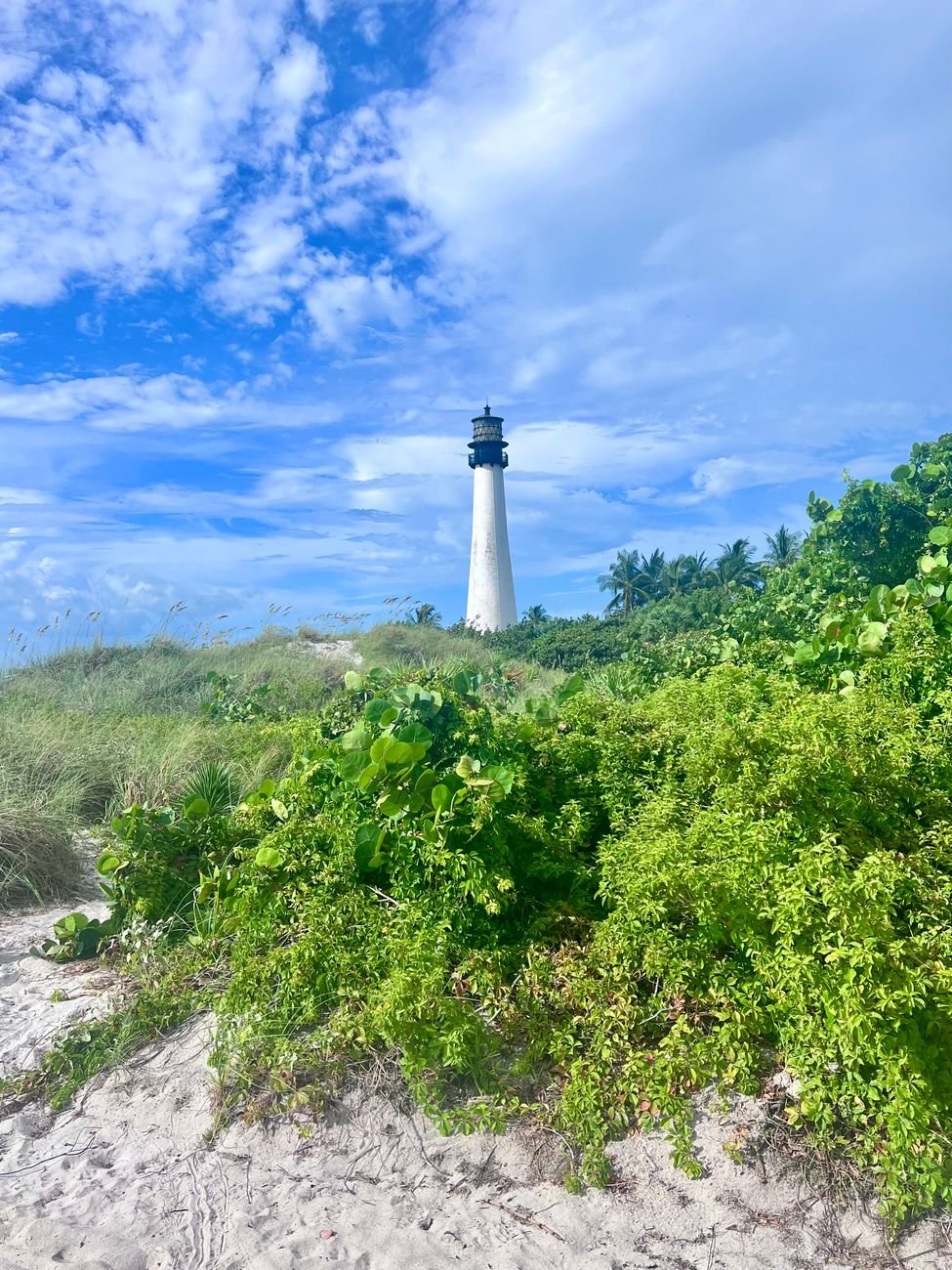
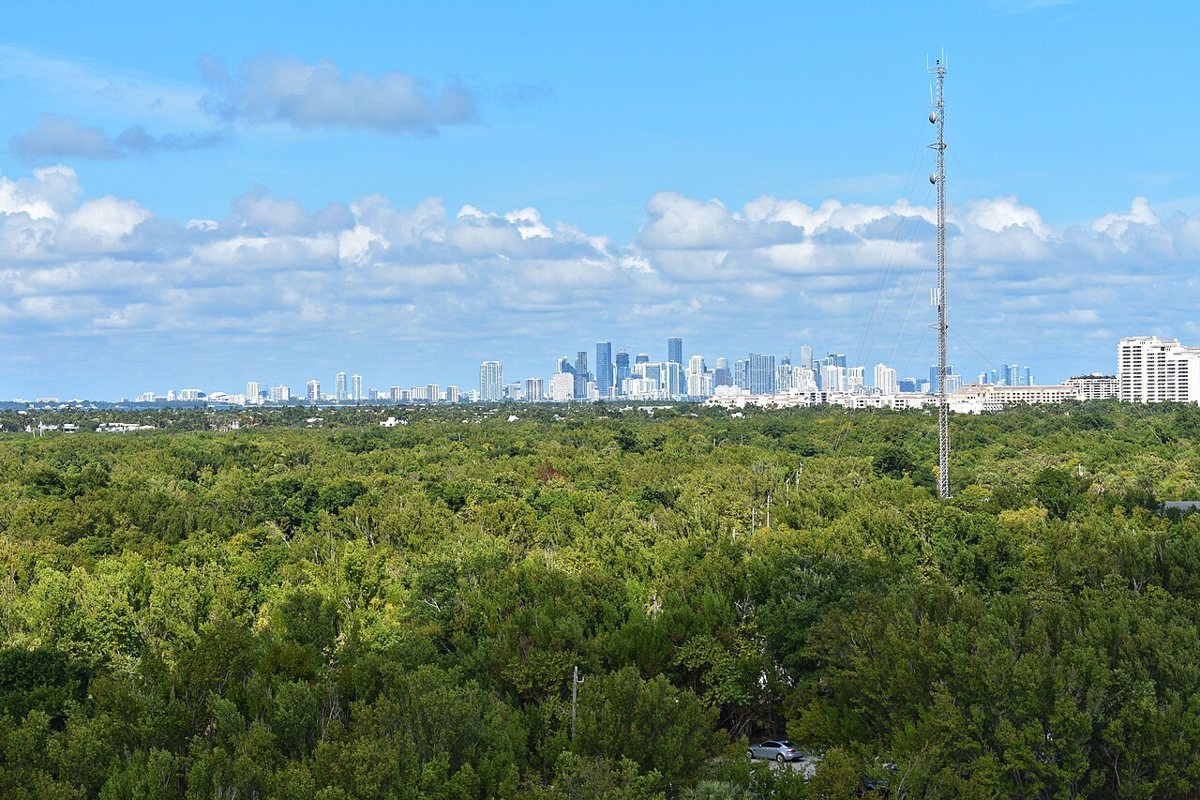
Cross the Rickenbacker Causeway onto Key Biscayne and the first major stop is Bill Baggs Cape Florida State Park, occupying the southern tip of the island where the bay meets open ocean. The Cape Florida Lighthouse, first built in the early 1800s and rebuilt after being damaged during the Second Seminole War, still stands at the park's edge and remains one of the oldest structures in Miami-Dade County. The beach here curves along a wide stretch of sand with the Miami skyline visible across the water to the north, a view photographed as often as any park landscape in the county without ever feeling like a tourist trap. Sea grape trees and coastal hammock frame the walking paths, and the park's position at the literal edge of the mainland gives it a sense of remove that is hard to find this close to downtown. Rangers lead occasional lighthouse tours that climb to the top for a view across both the bay and the Atlantic at once, a perspective on the city that very few other vantage points can offer.

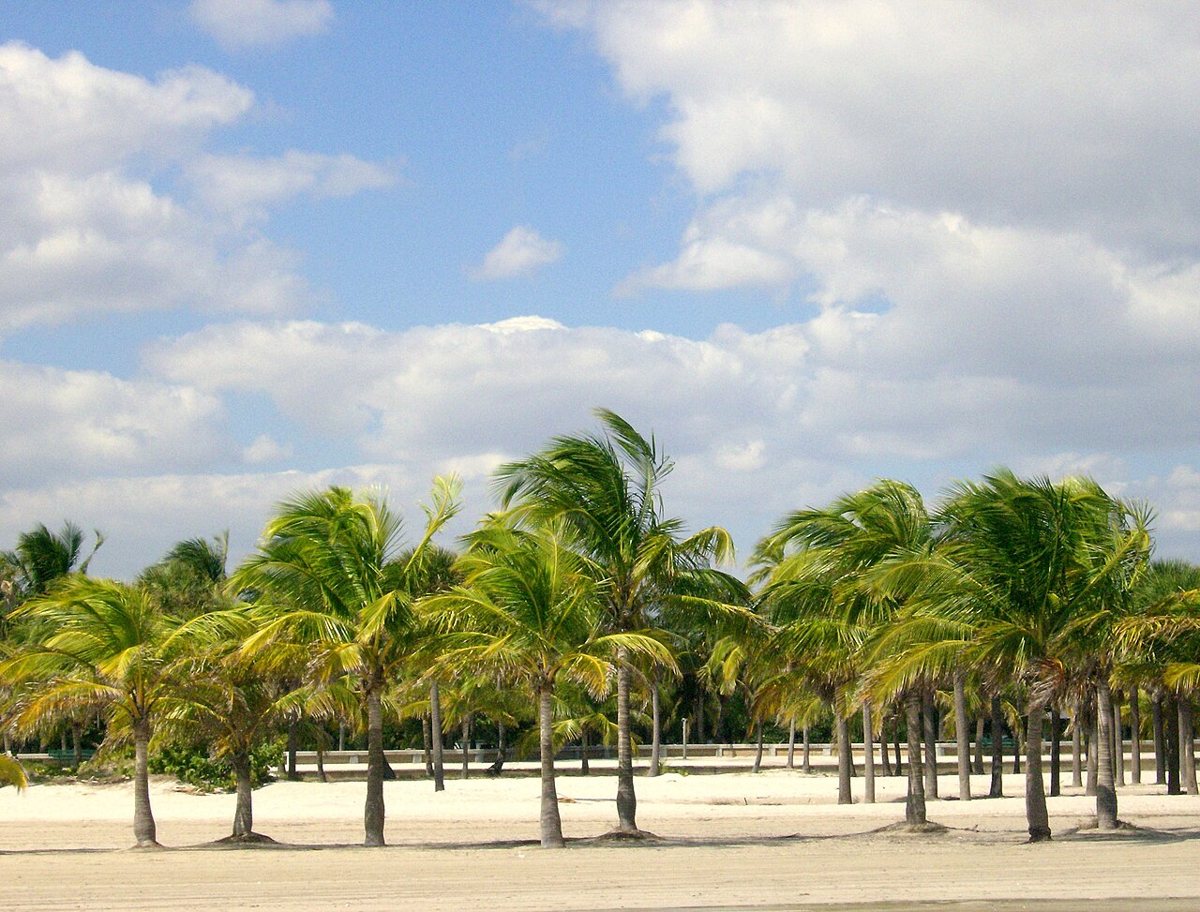
North of Bill Baggs, Crandon Park stretches along more than a mile and a half of Atlantic-facing beach, backed by a barrier island landscape of sea grape hammock and dune. The park grew out of the site of the old Crandon Park Zoo, and traces of that history linger in the nature center and the restored gardens near the north end, where a few original zoo structures still linger as quiet reminders of the site's earlier life. Families favor Crandon for its width of beach and its picnic pavilions, while the marina on the bay side serves boaters heading out toward Biscayne Bay's sandbars. The tennis facility on the property has hosted major professional tournaments over the years, giving this stretch of Key Biscayne a sporting pedigree that goes well beyond its reputation as a family beach, and the golf course tucked along its western edge adds another layer that most first-time visitors never expect to find on a barrier island.

North Miami-Dade
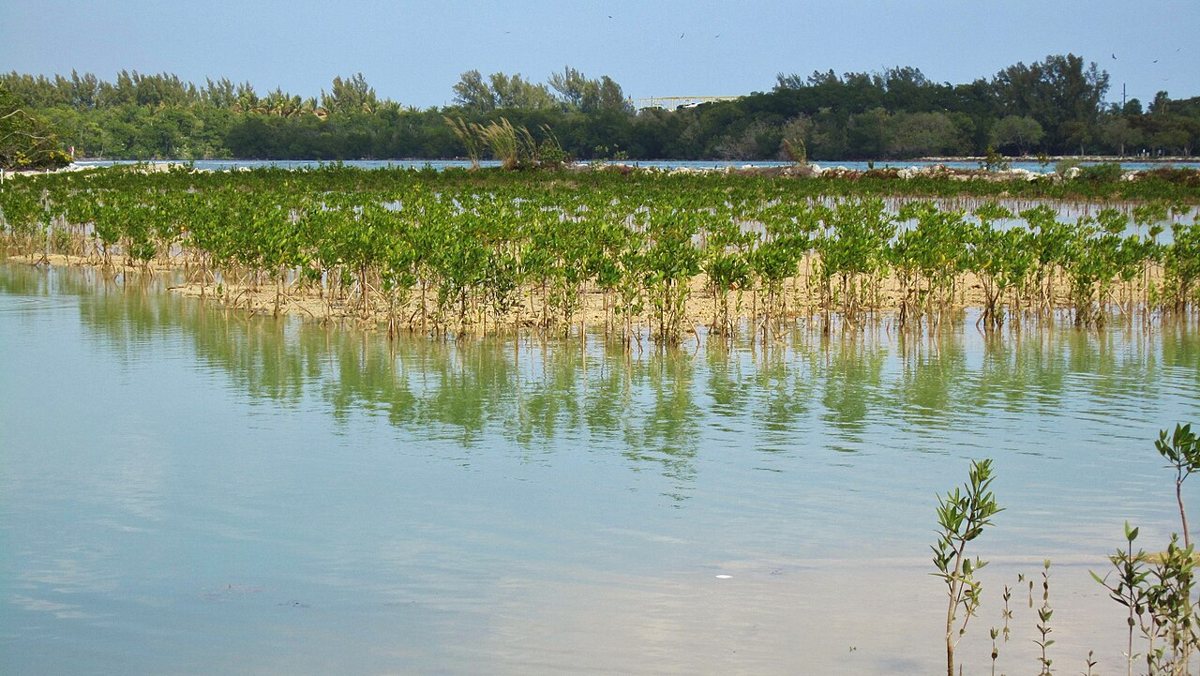
Oleta River State Park, wedged between North Miami and Sunny Isles Beach, holds the distinction of being the largest urban park in the state of Florida. Mangrove creeks thread through the property, forming a kayak and paddleboard network that feels remote even though condo towers are visible above the tree line. Mountain bikers know Oleta for a network of trails carved through maritime hammock and coastal scrub, terrain that is genuinely unusual this close to a major metro area, with enough technical sections to draw riders from across the county on weekend mornings. A small beach along the Intracoastal gives non-paddlers a place to swim, and the park's size means it rarely feels crowded even on a busy weekend, a rare quality this far into developed North Miami-Dade. Rental concessions on site make it one of the easiest parks on this list for a first-time kayaker to try the water without owning any gear.

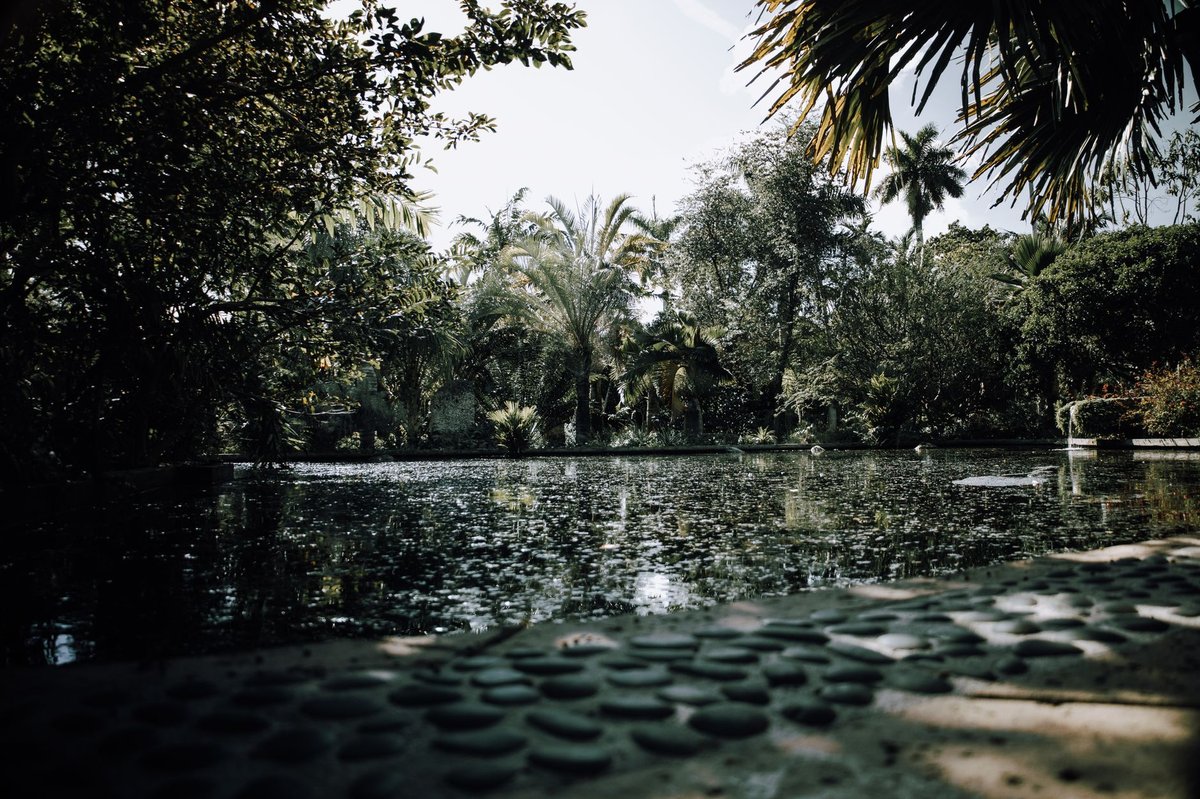
Greynolds Park, a few miles inland in North Miami Beach, carries a very different history. Built in the 1930s as a Works Progress Administration project on the site of a former rock quarry, the park still shows its Depression-era bones in the coral rock bridges, the observation mound built from quarry fill, and the boat basin dug straight into the old pit. A rookery on the park's small islands draws herons and egrets that nest within easy view of the walking paths, making Greynolds a reliable stop for casual bird-watching without any special equipment. The lagoon and its rowboat rentals give the park an old-Florida feel that has mostly disappeared from the rest of the county, and the stone bridges built by WPA labor crews remain some of the best-preserved public works architecture anywhere in Miami-Dade.
Western and Inland Miami-Dade
Tropical Park, set along Bird Road in the Kendall and Westchester corridor, trades waterfront views for sheer recreational range. Three lakes anchor the property, ringed by a running and cycling path used daily by residents of the surrounding neighborhoods. An equestrian center hosts horse shows through the year, and a velodrome on the grounds gives Miami's small but committed cycling community a place to train that does not involve dodging traffic on Bird Road or Kendall Drive. The park sits close enough to Zoo Miami and the Miami-Dade County Fair grounds that visitors sometimes treat it as an afterthought, but for the families who use it weekly, it functions as the neighborhood park that Kendall's sprawl otherwise lacks, with soccer and cricket fields that stay busy from early morning through dusk.

Amelia Earhart Park, in Hialeah, occupies land once farmed by the Bird family, and the old farmhouse and barn still stand near the park's small petting zoo, one of the few free animal encounters left in the county. Two lakes support fishing and paddle boating, a campground allows overnight stays inside the city limits, and a splash-pad area draws families through the hottest months. The park's name honors the aviator, who is said to have once used the surrounding fields, and a small aviation-themed play area nods to that history. For a park this far from the bay, Amelia Earhart does a remarkable job of feeling self-contained, less a stop on a longer itinerary than a destination in its own right for the families of Hialeah and the western suburbs, where Sunday afternoons often mean a cooler, a grill, and a spot staked out under the same tree as the week before.

Practical Notes for Miami Park-Hopping
A few things hold true across nearly every park on this list, whether it is run by the county, the city, or the state, and knowing them ahead of time saves a wasted trip.
- Sun protection matters more than most visitors expect. Shade is inconsistent at beach-facing parks like Crandon and Bill Baggs, and the midday sun is strong nearly year-round, even on days that feel mild by the calendar.
- Mosquito repellent earns its place in any bag headed toward mangrove or hammock terrain, especially at Oleta River, Matheson Hammock, Greynolds, and The Barnacle, where standing water and dense canopy create ideal breeding conditions.
- Parking fills fast at the most popular waterfront parks on weekends and holidays, so arriving early in the day pays off, particularly at Crandon and Bill Baggs, both of which sit at the end of a single causeway with limited overflow options.
- State parks, county parks, and botanical gardens each operate under different rules and fee structures. Fairchild is a ticketed garden, Bill Baggs and Oleta River are Florida state parks with vehicle entry fees, and most county parks like Bayfront and Tropical are free to enter.
- Causeway access to Key Biscayne can back up during peak beach hours, so budget extra time getting to and from Crandon and Bill Baggs rather than cutting the drive close.
- Water and shade run out quickly at the larger inland parks like Tropical and Amelia Earhart, so bring more than you think you will need if you are settling in for a full afternoon.
- Many of these parks connect naturally to a broader day out. Coconut Grove's parks sit within walking distance of the neighborhood's cafes, and downtown's bayfront parks link directly to the Riverwalk and the Arsht Center corridor.
The Real Ranking
Ask a dozen Miami residents to name the single best park in the city and you will get a dozen different answers, and that split is the most honest thing anyone can tell you about this list. A Little Havana grandmother will point toward the shade trees at her neighborhood plaza. A Coconut Grove sailor will insist nothing beats Kennedy Park at sunset. A Hialeah family will drive past three other parks to reach the lakes at Amelia Earhart because that is where their kids learned to fish. A Key Biscayne surfer will tell you Bill Baggs at sunrise, before the causeway traffic starts, is the closest this city gets to solitude.
What ties the strongest entries together, Bayfront's civic energy, the Kampong's living plant history, Bill Baggs' lighthouse standing over open water, Oleta's mangrove quiet, is that none of them were built to impress a visitor. They were built for the people who live here, in neighborhoods that speak Spanish, Kreyòl, and English within the same city block, and that is precisely why they hold up under daily use rather than collapsing into something staged for a camera. A park that only looks good in photographs tends not to survive here; the humidity, the storms, and the sheer volume of daily foot traffic all demand something more durable. Miami's parks work because the city never stopped needing them, long before anyone thought to rank them for a magazine.