Spring Things to Do in Miami for 2026
The humidity finally lifts, the jacarandas go purple, and Miami spends a few honest weeks outdoors before summer swallows it whole — here's where the city actually goes.
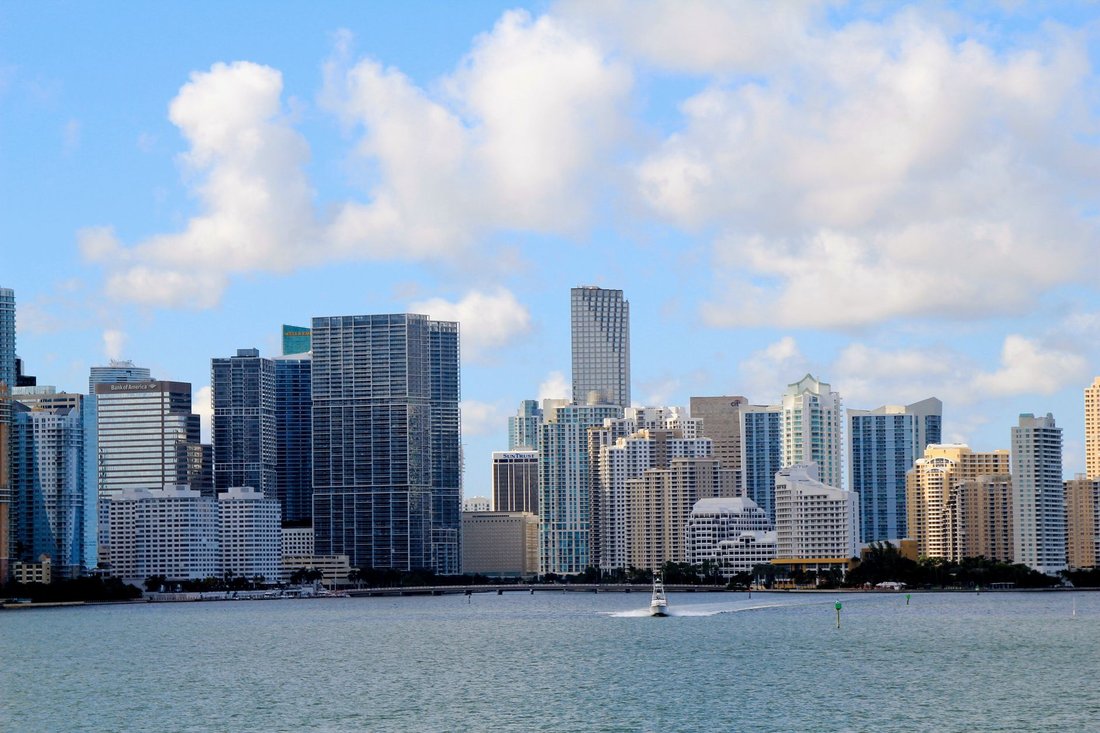
By seven on a March morning, the counter at a ventanita on SW 8th Street already has three generations of the same family arguing about baseball, and nobody is sweating through their shirt yet. That is the tell. Spring in Miami is not a season so much as a four-week parole from August. The humidity drops, jacaranda trees go purple around Coconut Grove, mango trees start dropping fruit onto driveways, and people who spent four months hiding in air conditioning suddenly remember they live somewhere beautiful. This is when spring things to do in Miami stop being a tourist checklist and start being what your neighbors are actually doing on a Saturday. It has almost nothing to do with South Beach. Everything worthwhile has to do with Little Havana, Coconut Grove, Little Haiti, the Design District, and the parks and gardens that only make sense when the air is not trying to kill you.
The Real Spring Things to Do in Miami
Ask a Miami Beach hotel concierge what to do this spring and you will get a pool day and a dinner reservation. Ask someone who grew up in Hialeah, Westchester, or Kendall, and the list looks different: a botanical garden with an orchid show, a Cuban coffee counter where the regulars know you, a Sunday at Vizcaya before the tour buses arrive, a Haitian art opening in Little Haiti, a domino game that has been running for decades. Miami's actual rhythm shows up once spring arrives, because outdoor life becomes possible again without a heat advisory attached. What follows is organized by neighborhood and by who you are traveling with, because that is how locals actually plan a weekend here, not by proximity to a nightclub.
Little Havana Wakes Up for Spring
Little Havana is not a theme park version of Cuba built for visitors. This is a working neighborhood where Spanish is the default language and the smell of roasting coffee follows you down the block. These few weeks are the best stretch to walk it slowly, because the sidewalks stay comfortable past nine in the morning.
Calle Ocho and the Ventanita Circuit
Calle Ocho, officially SW 8th Street, is the spine of the neighborhood, lined with cigar shops, botanicas selling santeria supplies, art galleries, and walk-up coffee windows called ventanitas. One move covers most of it: order a colada to share or a cortadito for yourself, grab a pastelito de guayaba from a nearby panaderia, and just stand at the counter the way locals do instead of finding a table. Afternoons here run long this time of year, with domino games audible from the street and older men debating politics in rapid Spanish. Skip the ventanitas directly facing the tourist-heavy corners and walk two or three blocks west instead, where the coffee is the same and the crowd is entirely neighborhood regulars. This is also a fine excuse to go looking for a great ventanita rather than settling for the first one you see.
Domino Park and the Viernes Culturales Rhythm
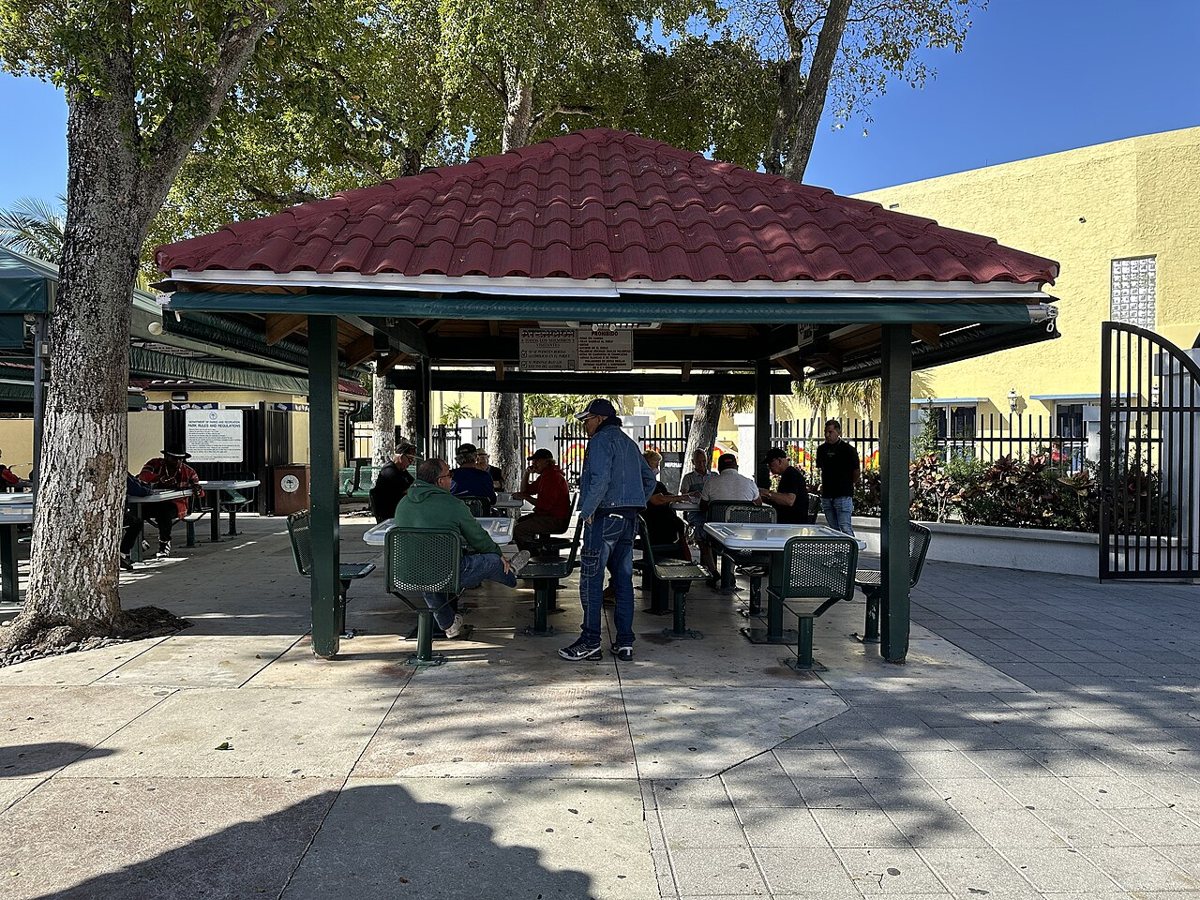
Maximo Gomez Park, universally called Domino Park, sits right on Calle Ocho and functions as an open-air living room for the neighborhood's older Cuban and Cuban-American residents. Games run daily and spectators lean on the fence; nobody minds an outsider watching quietly as long as you are not loud about it. On Cultural Fridays, the street closes to traffic for an evening of live music, art vendors, and food stalls, pulling in Cuban, Nicaraguan, and increasingly Venezuelan crowds that reflect how the neighborhood has actually grown. Spring evenings are mild enough to stand outside for hours without wilting, which is exactly the point, right there in Little Havana along SW 8th Street between roughly 12th and 17th Avenues.

Wynwood and the Design District Put On Their Spring Show
Wynwood gets dismissed by some locals as overrun, and parts of it are. But spring gallery walks and outdoor mural viewing are genuinely better here than almost anywhere else in the country, and the crowds thin out considerably before the evening rush if you go on a weekday morning.
Wynwood Walls
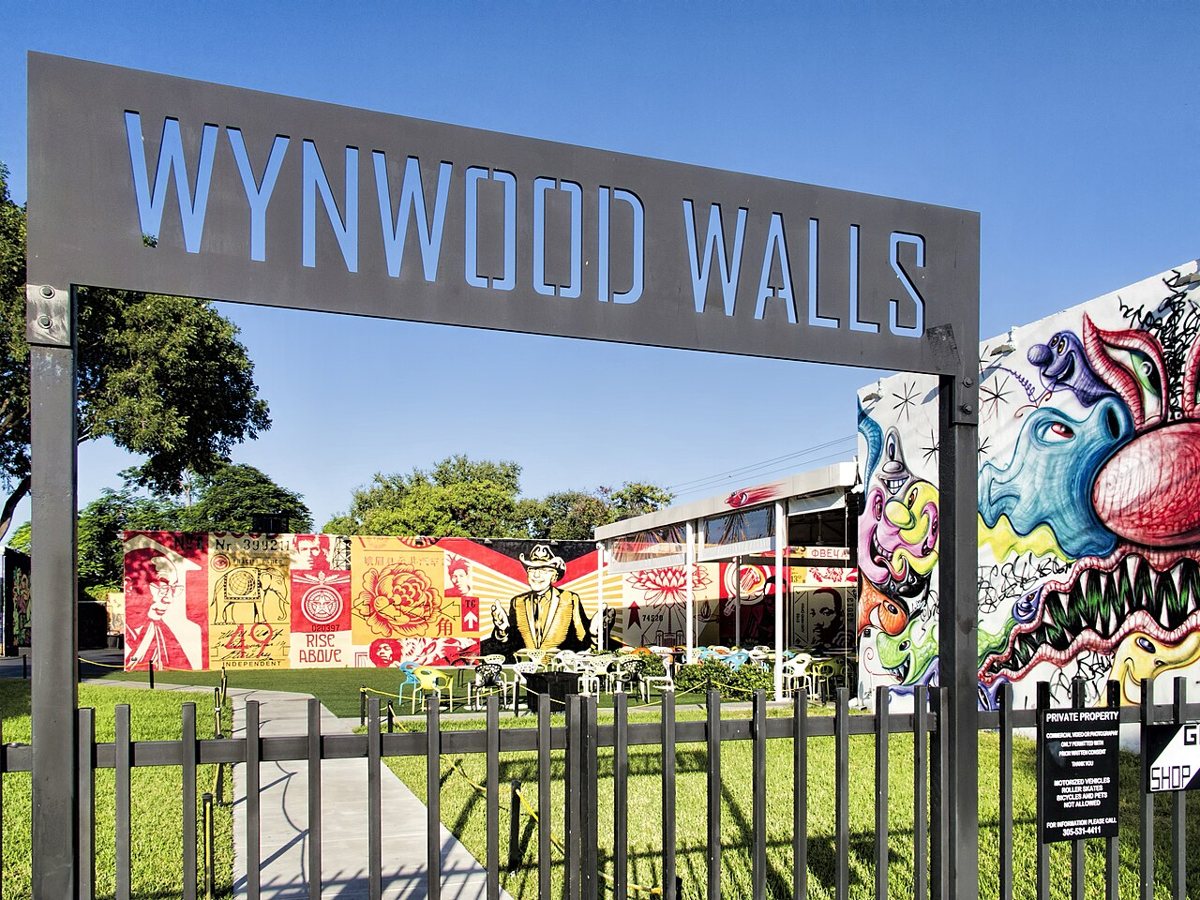
Wynwood Walls started as a handful of commissioned murals on old warehouse buildings and grew into an outdoor art space photographed more than almost anywhere else in the country, with rotating large-scale pieces from international street artists alongside Miami-based painters. What makes it worth a repeat spring visit is that the walls actually change, so a piece you photographed two years ago may already be painted over. Walk the surrounding blocks too, since some of the best murals in Wynwood live on buildings well outside the fenced core and cost nothing to see. Go early, before the afternoon sun turns the alleys into a griddle and before the crowds arrive for lunch, and remember the core sits in Wynwood proper, roughly along NW 2nd Avenue between 25th and 26th Streets.

Perez Art Museum Miami
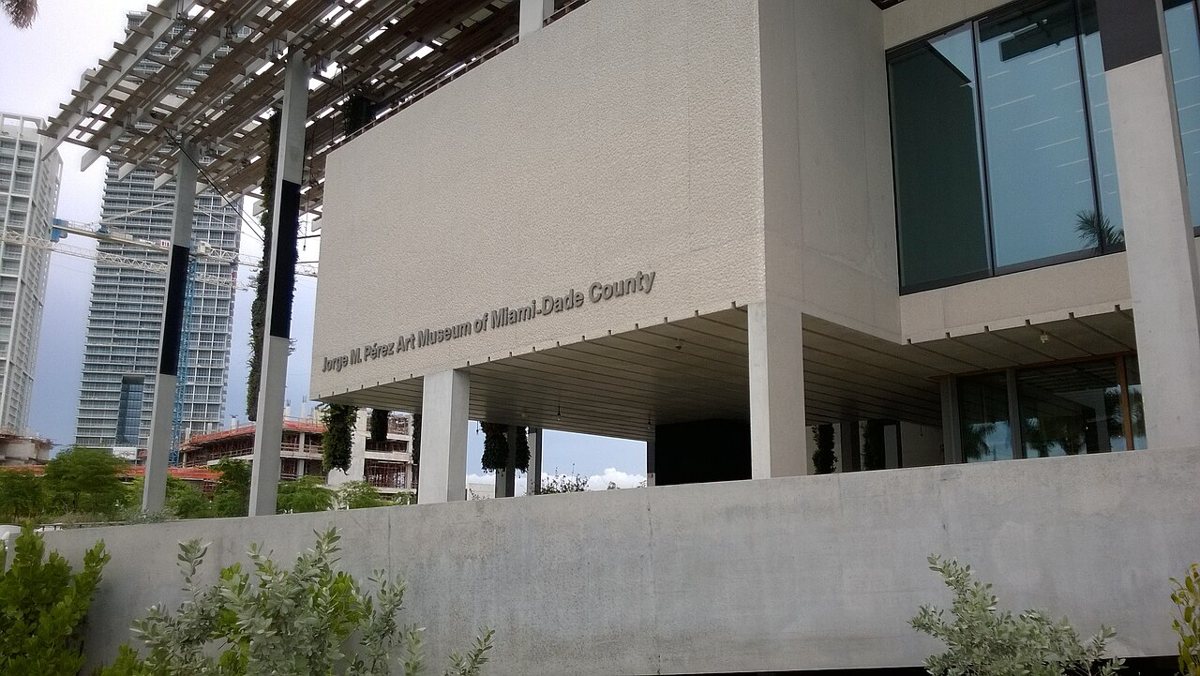
PAMM sits on Biscayne Bay in Museum Park, on the downtown waterfront, and its hanging gardens and waterfront terrace make it one of the few museums where the building itself competes with the art. Its permanent collection leans into Caribbean and Latin American artists alongside the wider diaspora, which fits a city whose population is shaped by exactly those migrations, and exhibitions this time of year tend to bring in traveling shows worth checking the current schedule for. A real trick here is the outdoor terrace café at sunset, where the bay breeze in March and April is the closest thing Miami has to perfect weather. Perez Art Museum Miami also sits close enough to the Design District that you can walk between the two in one afternoon without needing a car.

Coconut Grove and Coral Gables Turn Green
These two neighborhoods are where spring becomes visible, not just felt. Coconut Grove is Miami's oldest neighborhood, a mix of old bohemian bungalows and serious family money under a canopy of banyan trees, while Coral Gables next door is the Mediterranean Revival city George Merrick built in the 1920s, all barrel-tile roofs and coral rock walls around the University of Miami.
Vizcaya Museum and Gardens
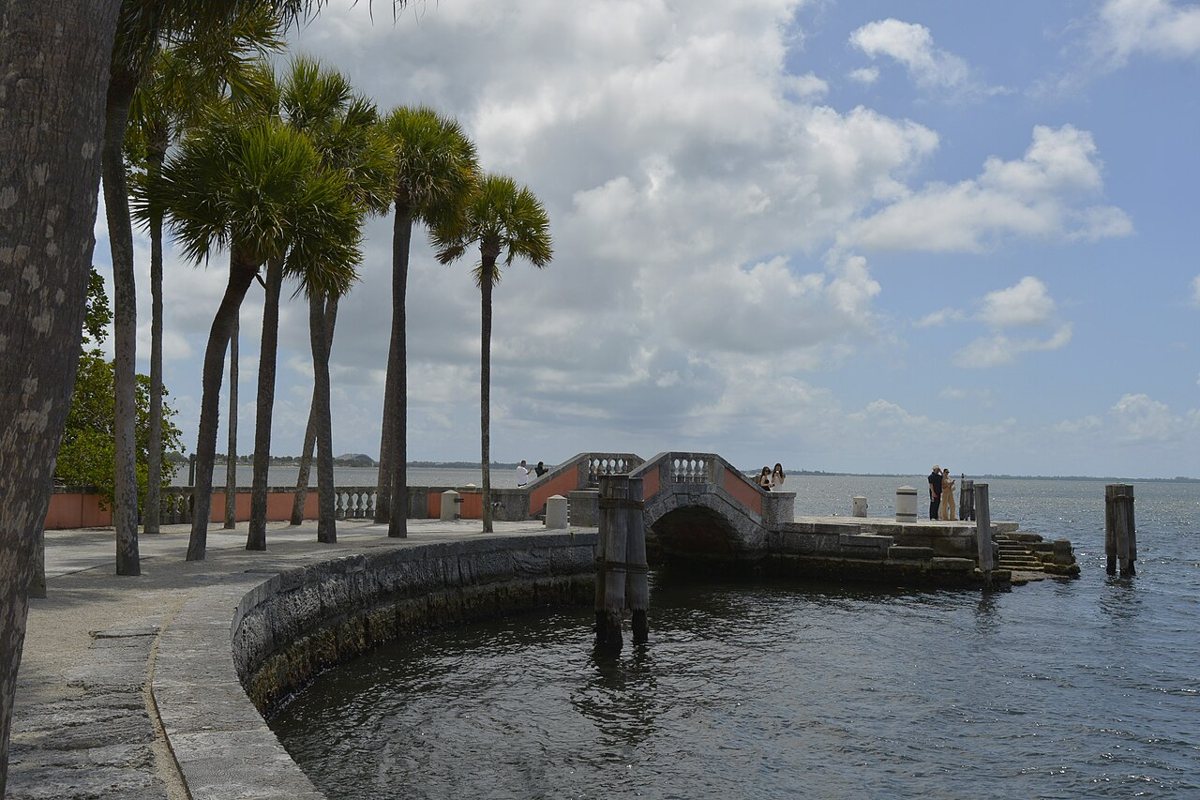
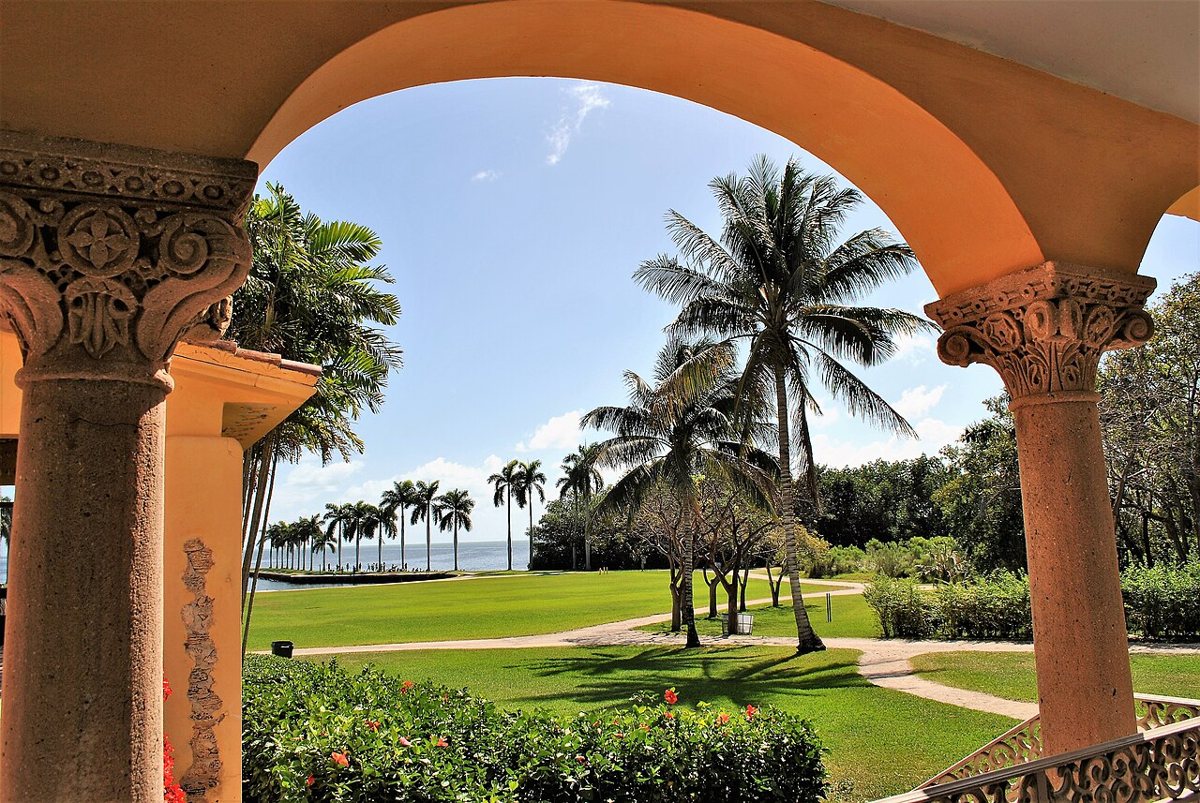
Vizcaya is a limestone Italian Renaissance-style villa built on Biscayne Bay in the 1910s, surrounded by formal European gardens that genuinely peak in spring, when the manicured hedges and fountains are at their greenest and the bay breeze cuts the heat. Walk the main house first for the frescoed ceilings and imported antiques, then spend real time in the gardens, which reward slow wandering more than a quick photo stop. Try to arrive right when it opens on a weekday, since the stone paths and grotto get genuinely crowded by midday on weekends, and the morning light photographs better anyway. You'll find it in Coconut Grove, on South Miami Avenue near the bay.

Fairchild Tropical Botanic Garden
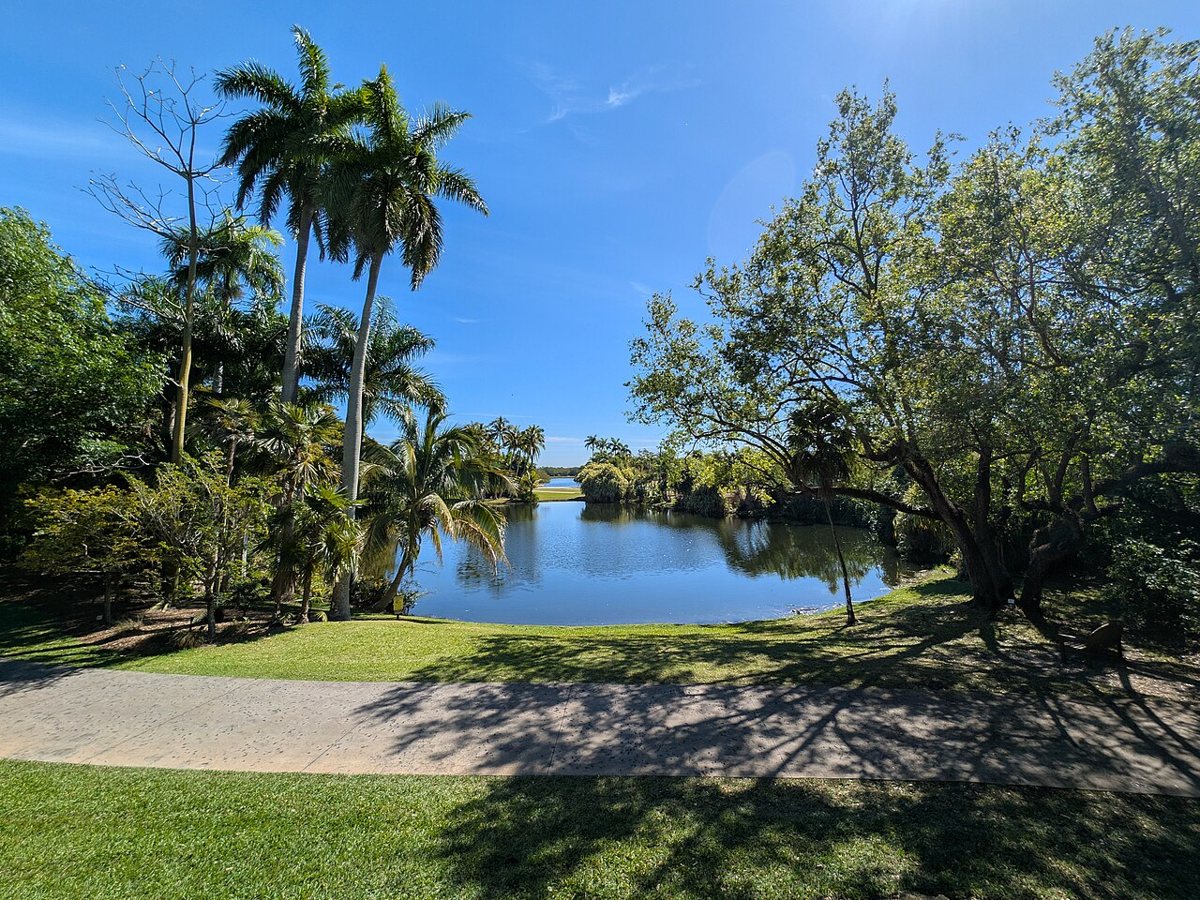
Fairchild is not a park with some plants in it. It is eighty-plus acres of a working tropical botanic garden in Coral Gables, next to Matheson Hammock Park, home to a rainforest exhibit and a butterfly conservatory, plus an orchid collection regarded as among the finest in the country. March and April usually bring the garden's annual orchid festival, when growers and collectors bring in specimens you will not see anywhere else, and it lines up with the start of Florida mango season, which Fairchild has celebrated for decades with its own festival. Rent a bike or ride the tram if walking the full grounds feels like too much, and consider taking the tram at least once regardless, since the guides tend to know the garden better than any placard.

Venetian Pool
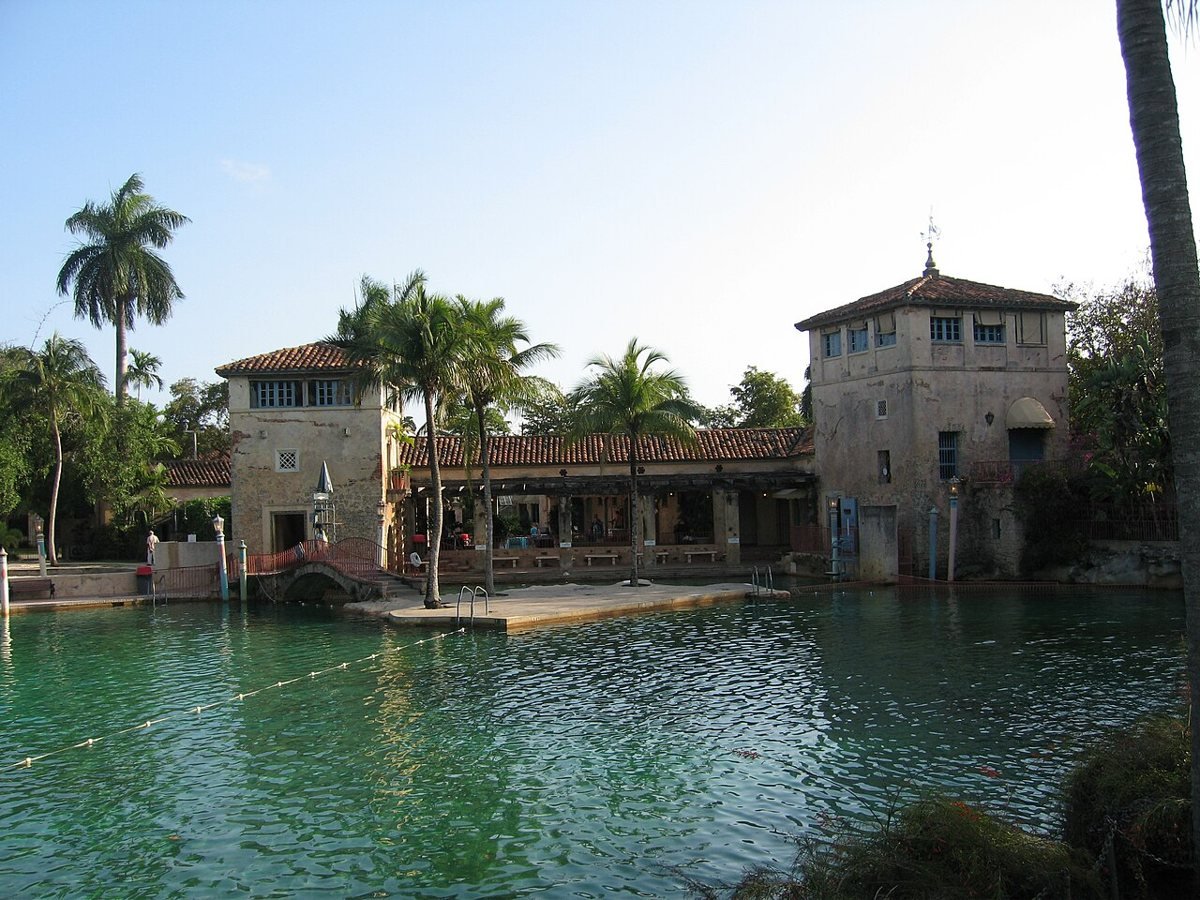
Carved out of a coral rock quarry in the 1920s, the Venetian Pool is fed by spring water, framed by Spanish-style loggias and waterfalls, and looks nothing like a municipal pool because it was never meant to. Locals treat it as a rite of spring once it reopens for the swim season after its winter maintenance closure, and the coral rock keeps the water genuinely cooler than the bay. Families love it, and so do Coral Gables residents who have been coming since childhood, which means a weekday morning beats a Saturday afternoon by a wide margin. Bring your own towel and check current hours before you go, since the pool operates on a seasonal schedule and sits just a few blocks from the Biltmore Hotel.

Little Haiti's Spring Sounds and Streets
No honest guide to this city treats Miami as a Cuban-only story. Little Haiti is one of the largest Haitian communities outside of Haiti itself, and its cultural life runs on its own calendar, separate from and just as vital as Little Havana's. Little Haiti Cultural Complex anchors the neighborhood with a gallery, a black-box theater, and an outdoor courtyard that hosts music, dance, and community markets built around Haitian art and Kompa music. These months bring more of these events outdoors, where the courtyard fills with vendors selling Haitian paintings and textiles alongside food like griot, the twice-cooked fried pork that anchors most Haitian menus in the neighborhood. Walk NE 2nd Avenue afterward for murals, record shops, and family-run restaurants that get far less attention than their Wynwood or Little Havana counterparts and deserve more. Check the complex's current calendar before you go, since programming rotates and the best events are often free or close to it, and note the neighborhood centers on NE 2nd Avenue near 60th Street.
Where Miami Takes the Kids in Spring
Families dealing with school spring break week want outdoor space that will not turn into a heat emergency by eleven in the morning, and spring is the one stretch of the year where that is not a constant negotiation.
Zoo Miami
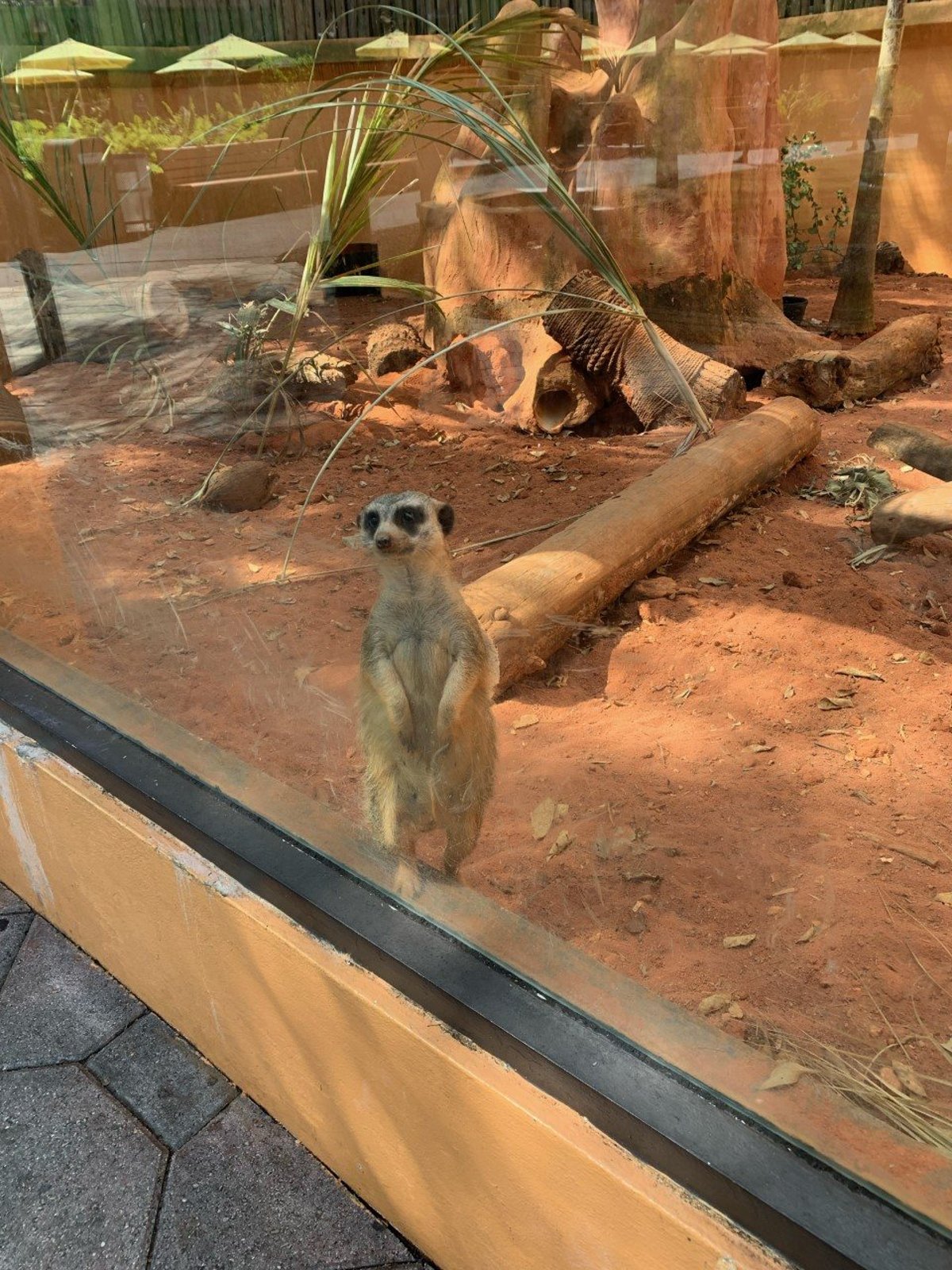
Zoo Miami is one of the largest tropical zoos in the country, laid out over enough acreage that a full visit is genuinely a half-day commitment, with a free tram loop for anyone who does not want to walk the whole thing. New offspring tend to show up across several exhibits this time of year as breeding seasons align with the weather, so it is a reasonable bet for seeing young animals that will not be around by summer. Head straight for the areas furthest from the entrance first, since most visitors cluster near the front and the far end of the zoo, out in southwest Miami-Dade near its own turnpike exit, stays noticeably calmer all day.

Deering Estate
Deering Estate gets overshadowed by Vizcaya, which is a mistake, because it offers something Vizcaya does not: real, semi-wild Florida landscape, including pine rockland, mangrove coastline, and a tidal creek you can actually kayak. Its stone mansion and adjoining Mediterranean Revival house are worth touring, but the grounds are the draw in spring, when bird migration brings in species that will not stick around come summer. Guided kayak tours and nature walks run through the property regularly, and booking the kayak tour beats exploring the water on your own, since the guides know exactly where the manatees and wading birds tend to gather that week. Palmetto Bay holds the estate, just south of Coconut Grove.

Spring Is Sports Season Too
Miami's sports calendar leans hard into spring, and it is a legitimate way to spend an afternoon outdoors with a very local crowd, not just a niche interest.
loanDepot Park and Marlins Baseball
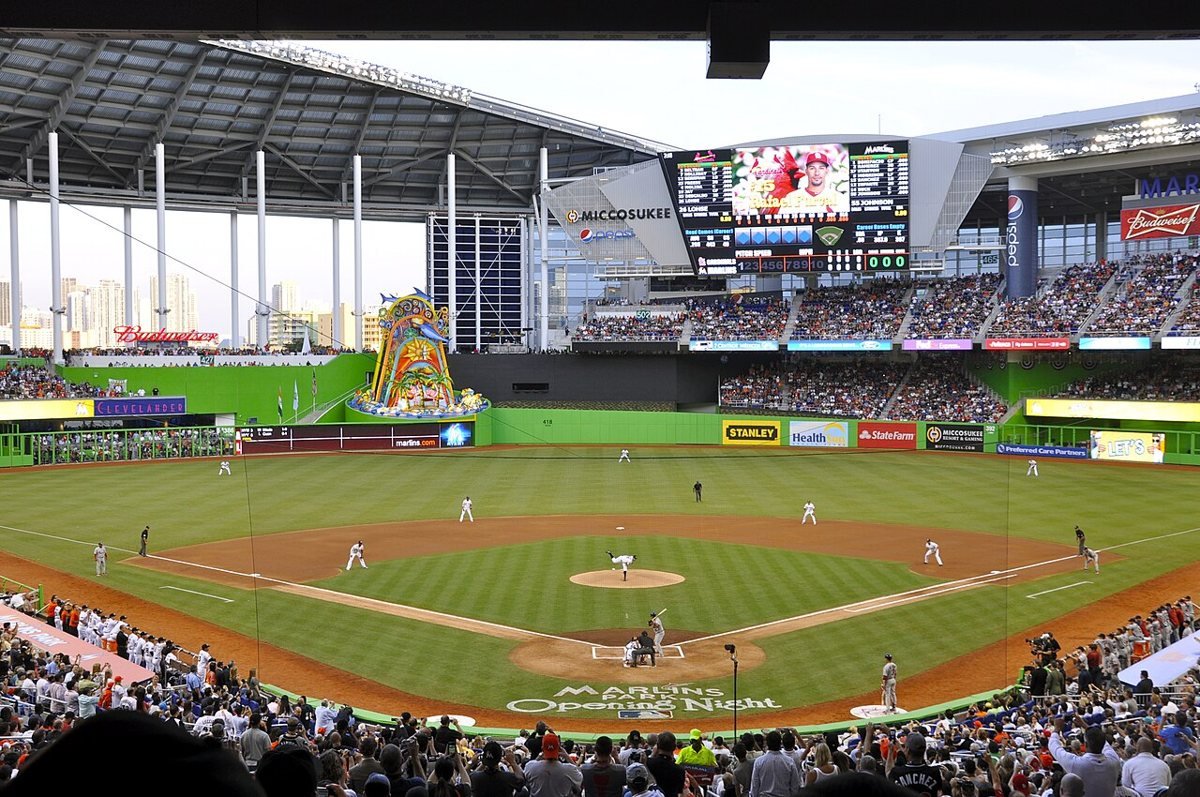
The Miami Marlins play their home season at loanDepot Park in Little Havana, off NW 16th Street, a retractable-roof stadium that means games happen regardless of an afternoon storm rolling through, which this time of year reliably produces. Opening day and the early home stand carry a genuine buzz, with a fan base that mixes longtime Miami baseball diehards with newer arrivals from Venezuela and Cuba, plus the Dominican Republic, who grew up on the sport. loanDepot Park sits close enough to Calle Ocho that a pregame cortadito is a real option, not a stretch. Check current single-game pricing before assuming it is expensive, since weekday games against non-marquee opponents are usually the cheapest ticket in Miami sports.

Miami Open Tennis
The Miami Open, one of the sport's biggest tournaments outside the four majors, sets up on the grounds around Hard Rock Stadium each spring and draws the top-ranked players in the world for two weeks of qualifying through finals. Expect a genuinely international crowd, reflecting Miami's own mix of nationalities, and the grounds pass, which lets you wander the outer courts and watch practice sessions up close, tends to be the better value than a stadium seat for the final. Outer-court practice sessions in the tournament's early days often let you stand close enough to hear players talking to their coaches, something you will never get once the tournament moves to the main stadium rounds.
Getting Around, Timing It Right, and What Costs Nothing
Miami rewards planning around its geography and its weather more than most cities, and spring is forgiving enough to make a car-light weekend possible if you pick your neighborhoods carefully. For a fuller rundown of the city beyond these seasonal picks, it helps to know the broader lay of the land first.
- A car is still the most reliable way to cover multiple neighborhoods in one day, but Little Havana, Coral Gables, and Coconut Grove are each walkable once you park, and a rideshare between them beats fighting for parking twice.
- Mornings are the move, since days heat up fast by early afternoon, so gardens and parks, plus outdoor markets, are best done before eleven and saved again for late afternoon into the evening.
- Free or nearly free options include walking Wynwood's public murals outside the paid Wynwood Walls compound, Domino Park in Little Havana, most of Coconut Grove's waterfront parks, and outdoor programming at the Little Haiti Cultural Complex, which frequently costs little to nothing.
- Afternoon storms roll through fast and hard this time of year. They rarely last more than an hour, so building in a coffee break or museum stop around 3 or 4 p.m. is smarter than fighting the rain.
- Always check current hours and admission before heading out, since seasonal schedules, especially at gardens and the Venetian Pool, shift year to year.
What Spring Actually Means Here
People who only know Miami from Art Basel coverage or a bachelorette weekend in South Beach think the city performs for outsiders year-round. It does not. Spring is when Miami stops performing and just lives, when the abuela on the corner finally sits outside again, when the Haitian courtyard concerts fill back up, when the Venezuelan family two doors down finally grills on the driveway instead of hiding from the heat. Real spring things to do in Miami were never staged for a camera. They are what happens when a Latin American city that happens to sit in Florida gets a few weeks of weather that lets it be itself outdoors. Go to the neighborhoods, not the beach clubs. Order in Spanish or Kreyol if you can manage a few words. Stand at the ventanita instead of sitting at the table. That is the whole difference, and it is not subtle once you have felt it.