Summer Things to Do in Miami for 2026
A season-smart guide to Miami in summer, built around the morning heat, the afternoon storm, and the golden evening that follows.
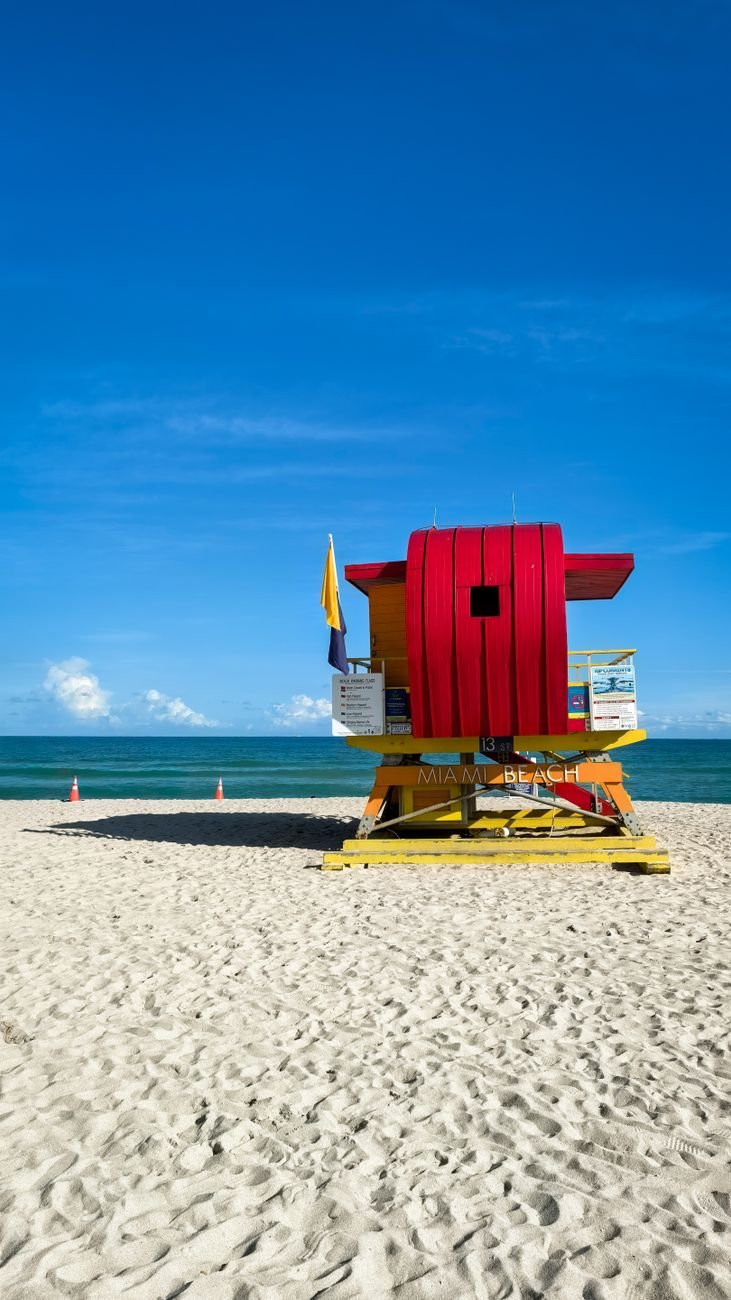
By four in the afternoon in July, the sky over Biscayne Bay turns the color of a bruise and the first fat raindrops hit the sidewalk on Calle Ocho like thrown coins. The men at the ventanita finish their cortaditos without hurrying, a woman in Little Havana pulls laundry off a balcony rail, and the rest of the county waits for the storm to pass, which it does, usually inside an hour. That rhythm of white-hot morning and steaming golden evening, split by a thunderhead, is the whole logic behind summer things to do in Miami, and it explains why locals plan their days the way fishermen plan tides.
This guide is built the way a Miami summer actually works. Mornings belong to water and shade. The worst of the heat belongs to museums and cold dining rooms. Evenings belong to the neighborhoods, and to anything with a breeze. Everything below sits inside Miami and Miami-Dade, and the places named are ones locals really go, not the ones that photograph well from a rental car.
Summer Things to Do in Miami: How the Season Really Runs
Summer here is long and wet, and the whole county turns green. It stretches from roughly May into October, the afternoon thunderstorms arrive with near-daily reliability, and the water is warm enough that a swim at eight in the morning feels like stepping into a bath. Hurricane season overlaps almost the whole stretch, so a sensible visitor checks the forecast and keeps plans flexible. Most locals treat the season with a shrug and a full pantry.
The practical upside is that Miami in summer belongs to the people who live here. Crowds thin and parks that feel jammed in February open up. The guide below starts on the water, works through gardens, animals and air-conditioned culture into neighborhood afternoons, and ends with one long day in the wild. A short practical section and an honest verdict follow.
On the Water and the Shoreline
Crandon Park, Key Biscayne
Crandon Park Beach is where Miami families go when they want the beach without the spectacle. A long, shallow, protected shoreline on Key Biscayne makes the water calm enough for small children and slow swimmers, and the sand is backed by shade and picnic areas that suit an all-day camp-out. The drive across the Rickenbacker Causeway, with sailboats scattered across the bay on both sides, is half the pleasure. Look for the nature center on the grounds and the mangrove edges, where paddlers glide through tidal channels that feel a world away from the highway. Locals arrive early to claim a shaded spot and head home when the clouds stack up. Parking is usually charged per vehicle and the causeway carries a toll, so bring a little cash or a transponder and check current details before you go. Anyone curious about how this stacks up against the rest of the coastline can read our rundown of the best beaches in Miami.
Bill Baggs Cape Florida State Park
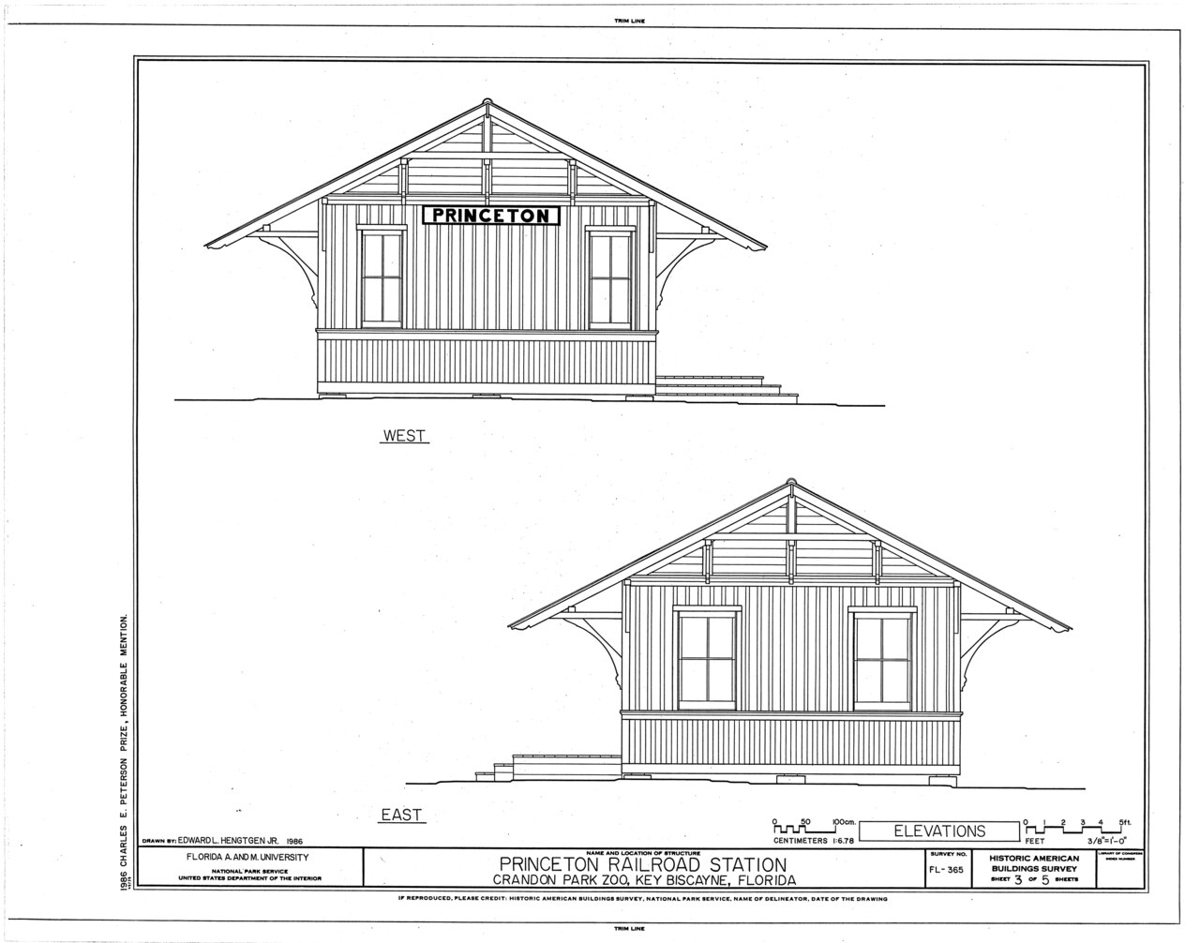
At the southern tip of Key Biscayne, Bill Baggs Cape Florida State Park holds the Cape Florida Lighthouse, the oldest standing structure in Miami-Dade County. The brick tower dates to the early nineteenth century and watches over a wide, quiet beach and a lot of shaded picnic ground. Climbing the lighthouse is a summer event in itself, a spiral of stairs toward a view of the bay and the open Atlantic, with the downtown skyline showing on a clear morning. Tours of the tower generally run on a set schedule, so check current times before planning around them. Bring a bike or rent one, because the park roads are flat and the sea breeze at the tip is the best natural air conditioning on the island. An insider habit worth borrowing: walk to the bayside flats after your swim, where the water is warmer and the crowds are rarer, with wading birds for company.

Oleta River State Park
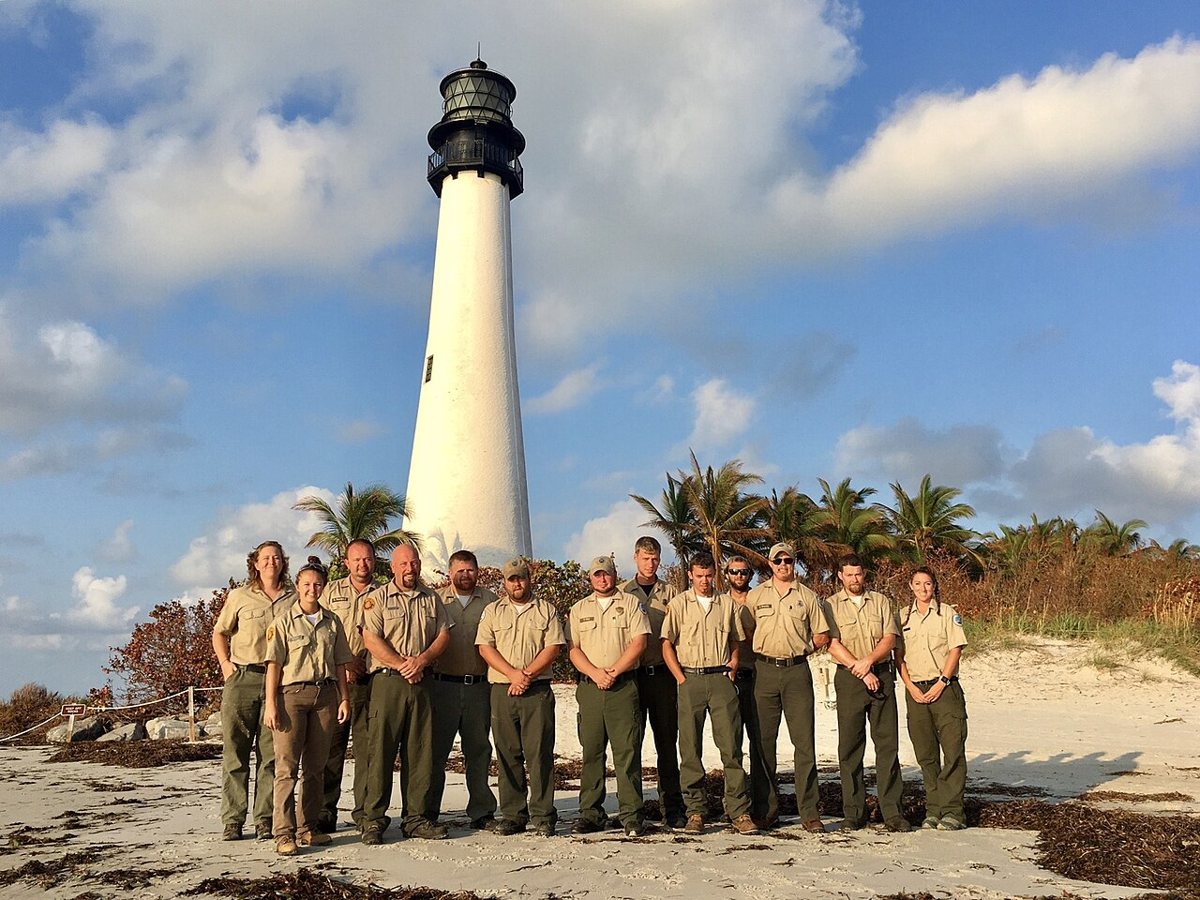
Up in North Miami, Oleta River State Park is the best answer for anyone who wants to move their body on summer water. It is among the largest urban state parks in Florida, with a tidal river lined in mangroves and a long run of mountain bike trails through the hammock. Kayaks and paddleboards are available to rent at the park, and the paddle up the river, with the occasional manatee or heron for company, is the closest thing the city has to a quiet backwater. Go early, because the heat builds fast under the mangrove canopy and the afternoon storms come in hard. Pack more water than seems reasonable and plan to be wet one way or another. The park also offers cabins for people who want to stay overnight, a rarity inside a major American city.

Matheson Hammock Park
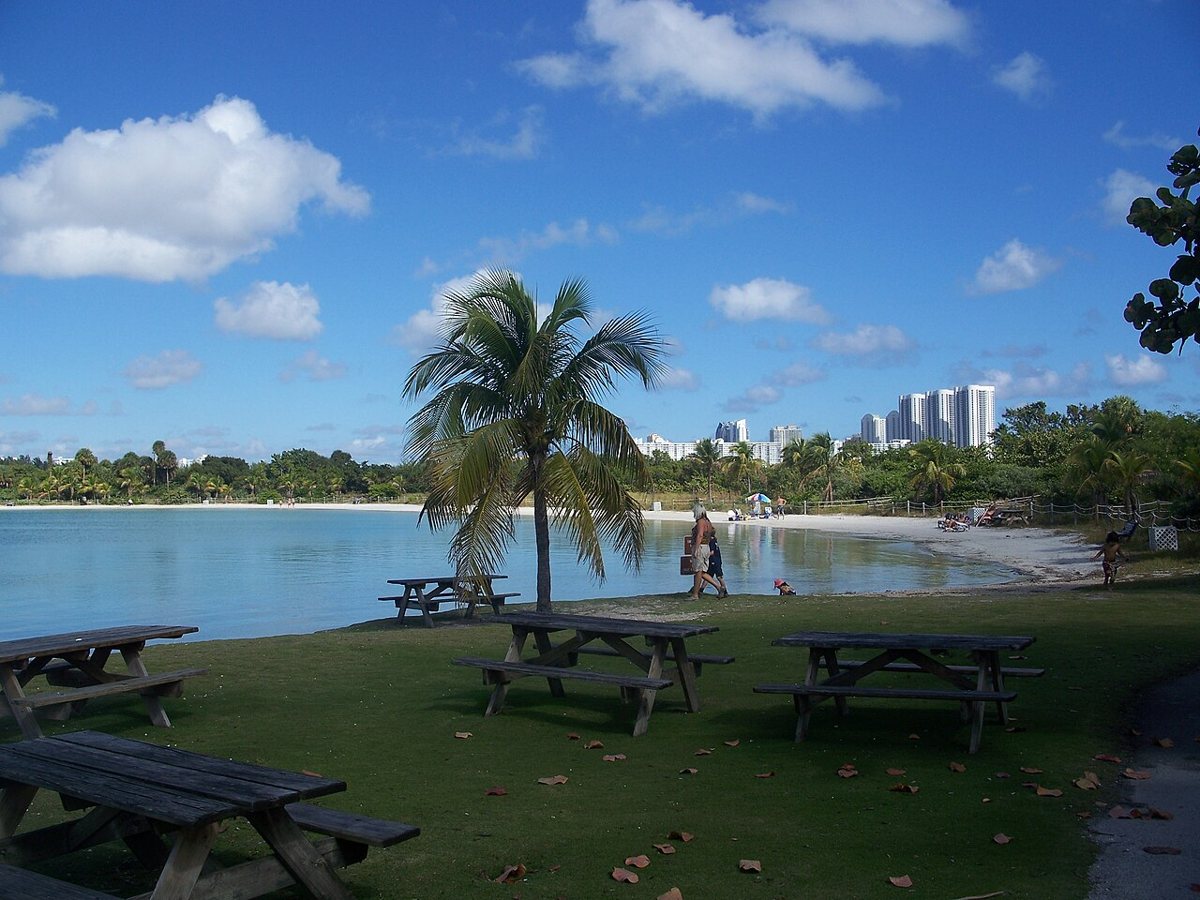
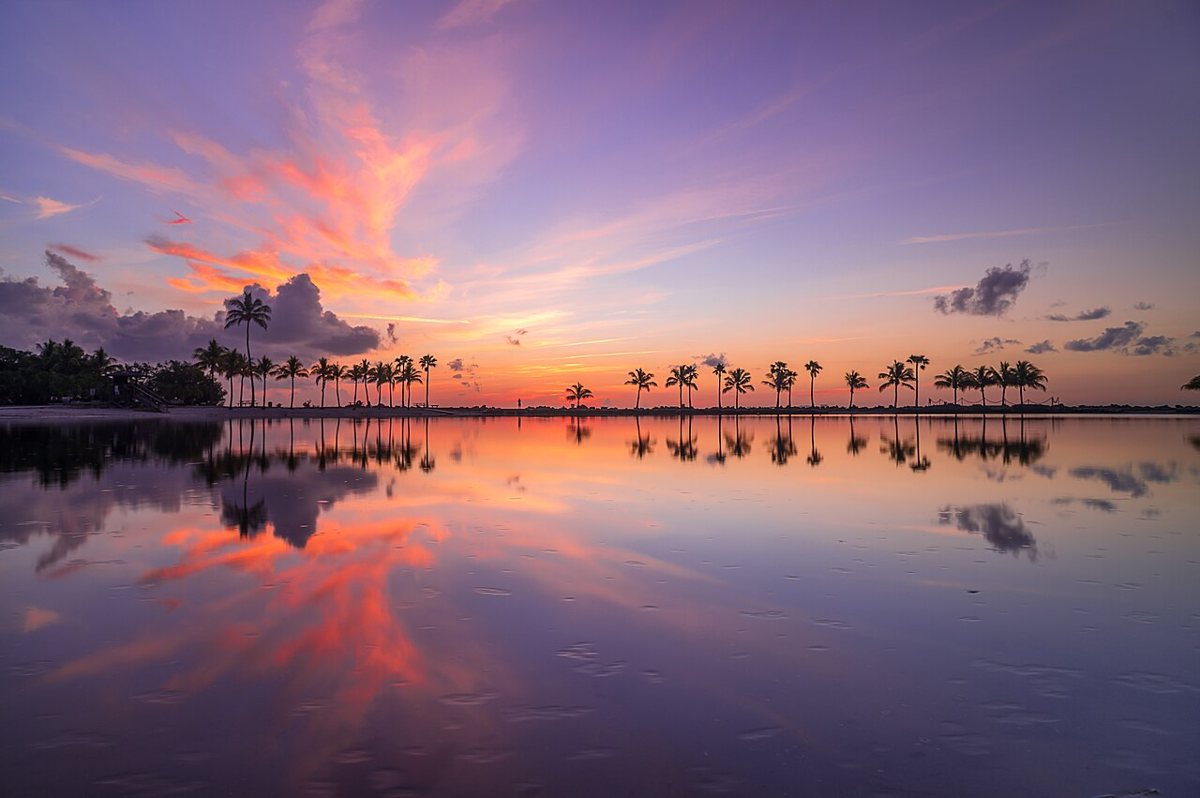
Matheson Hammock Park sits on Biscayne Bay near Coral Gables and holds a famously charming swimming spot, a man-made atoll pool fed by the tides. Built in the 1930s from coral rock, the pool keeps the water shallow and gentle, with palms leaning over a small curved beach, and it has long been a favorite for families with toddlers. The park also has a marina and a hammock of old-growth forest. There is a restaurant in a coral-rock building on the water, a handy spot for a long lunch when the sky darkens. Time your visit with the tide, since the water in the pool changes with it, and bring bug spray for the shaded paths. The sunset view across the bay, with the city lights beginning to flicker in the distance, is a quiet reward for staying late.

Gardens, Pools, and Animals
Vizcaya Museum and Gardens
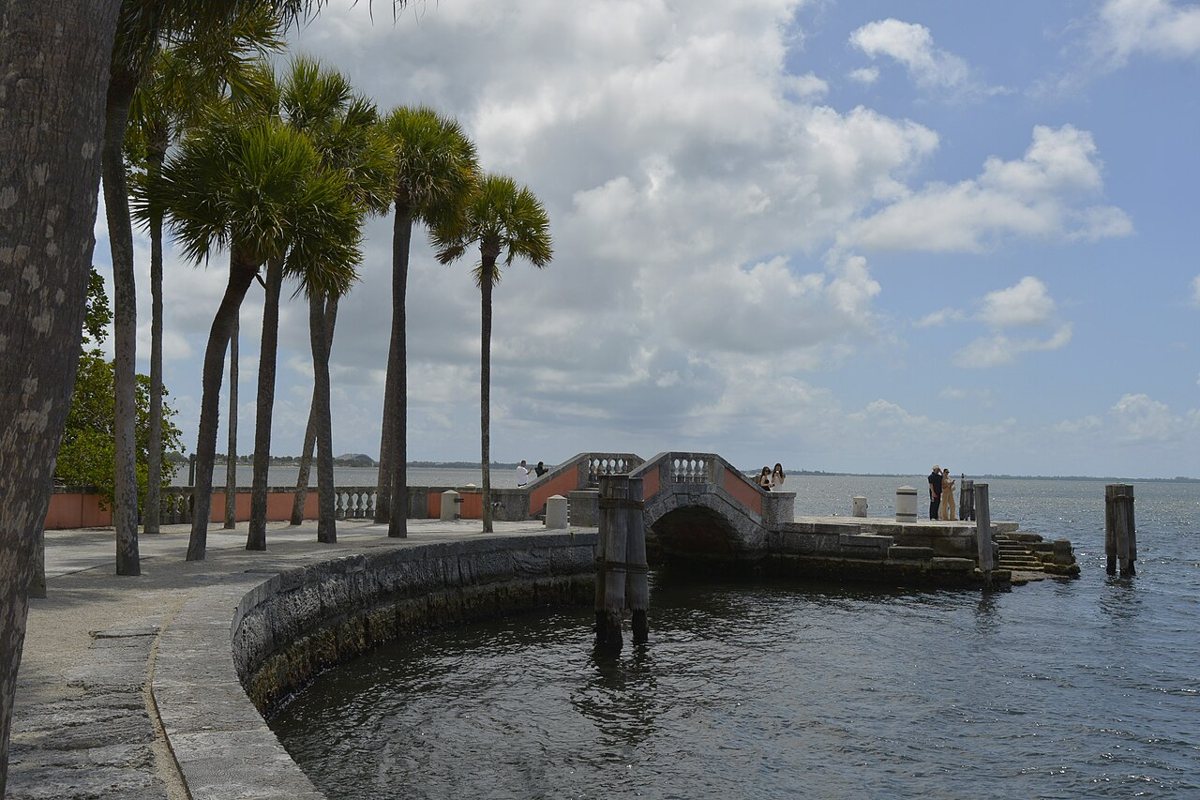
Vizcaya Museum and Gardens, on the bay in Coconut Grove, is the single best argument that Miami has real history. James Deering built the villa in the 1910s as a winter home, an Italian Renaissance fantasy with a stone barge anchored in the water and a formal garden that rolls down to the shoreline. In summer the house is cool and the gardens are lush, though the heat is stiff at midday. Arrive at opening, tour the villa while the air is still tolerable, and then wander the gardens and the bay terrace as the day warms. The maze garden and the view back toward the house from the water are the two places that keep locals returning. Check the current schedule for evening events and special programs, which sometimes open the grounds after dark. Weekday mornings are the quietest hours, and the light on the limestone in the early morning is hard to beat.

Venetian Pool
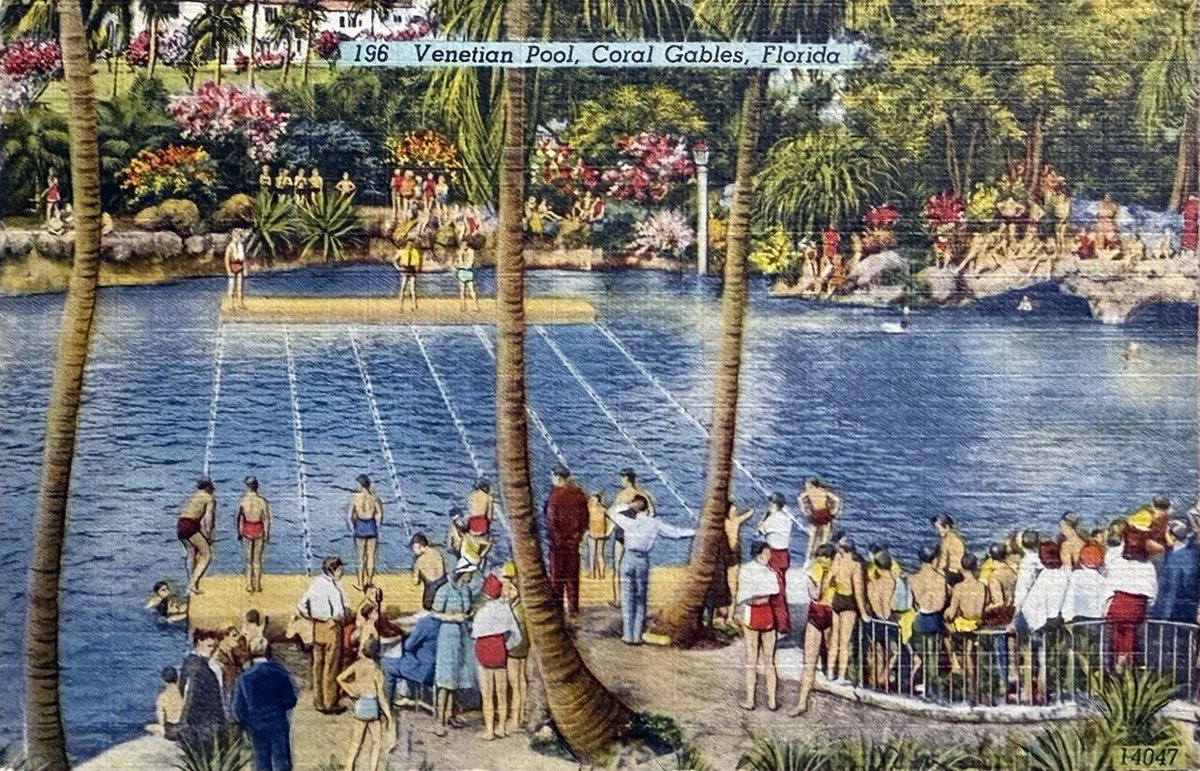
Coral Gables has a swimming hole carved from a coral rock quarry, and it is one of the best things anyone can do on a hot afternoon. The Venetian Pool is a spring-fed lagoon with waterfalls and stone bridges, with little caves tucked between, built in the 1920s as part of the city's Mediterranean-revival vision. It is a municipal pool, so the atmosphere is relaxed and the swimmers range from toddlers to lap-swimming retirees. The water is refreshed from a natural source, which gives it a distinctive cool, clean feel. Hours and admission rules vary by season and by residency, so check the current policies before you arrive, and expect lines on summer weekends. Bring a towel and a book, find a perch on the stone, and plan on staying until the storm clouds roll in.

Fairchild Tropical Botanic Garden
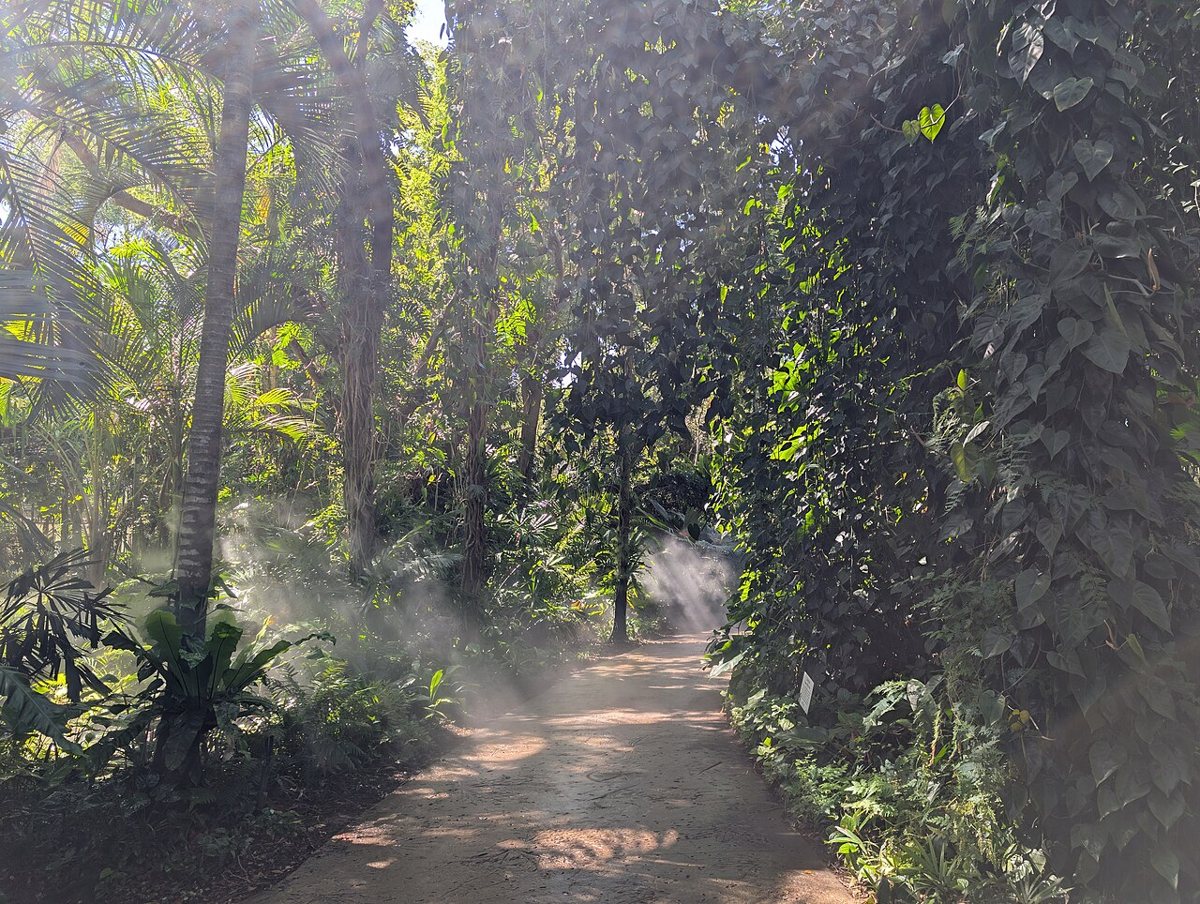
Fairchild Tropical Botanic Garden, in Coral Gables, is the quiet heavyweight of summer in Miami. The grounds cover dozens of acres of lakes and rainforest, with palms along shaded paths, and the tropical collection is among the finest in the world. Summer is the season when the mangoes arrive, and Fairchild has long celebrated the fruit with an annual mango festival that usually falls in July, a weekend of tasting and tree sales, plus talks from growers who treat the fruit with the seriousness of sommeliers. Even outside the festival, the garden rewards a slow walk. A tram circuit covers the grounds for anyone who prefers to ride, and the rainforest section is the coolest place to wait out the heat. Bring a hat and a willingness to look closely, because the best things here are small: a bromeliad, or a lizard on a trunk.

Zoo Miami and Jungle Island
Zoo Miami is enormous, and it is often described as the only subtropical zoo in the continental United States. It is large enough that a full visit takes most of a day, with animals set in open habitats and long walks between them, so the right strategy is to arrive at opening, see the big animals while they are still active, and leave before the heat peaks. Shaded paths and misting areas help, and the season turns the whole place a dense, fragrant green. A stroller or wagon makes the distances easier with little ones, and a hat is a requirement. Closer to the city, Jungle Island on Watson Island is the smaller, more intimate cousin, with parrots and reptiles along with hands-on encounters that suit families who want something more compact. Check each park's current hours and ticketing before heading out, since both adjust their schedules by season.


Air-Conditioned Culture and Street Art
Pérez Art Museum Miami
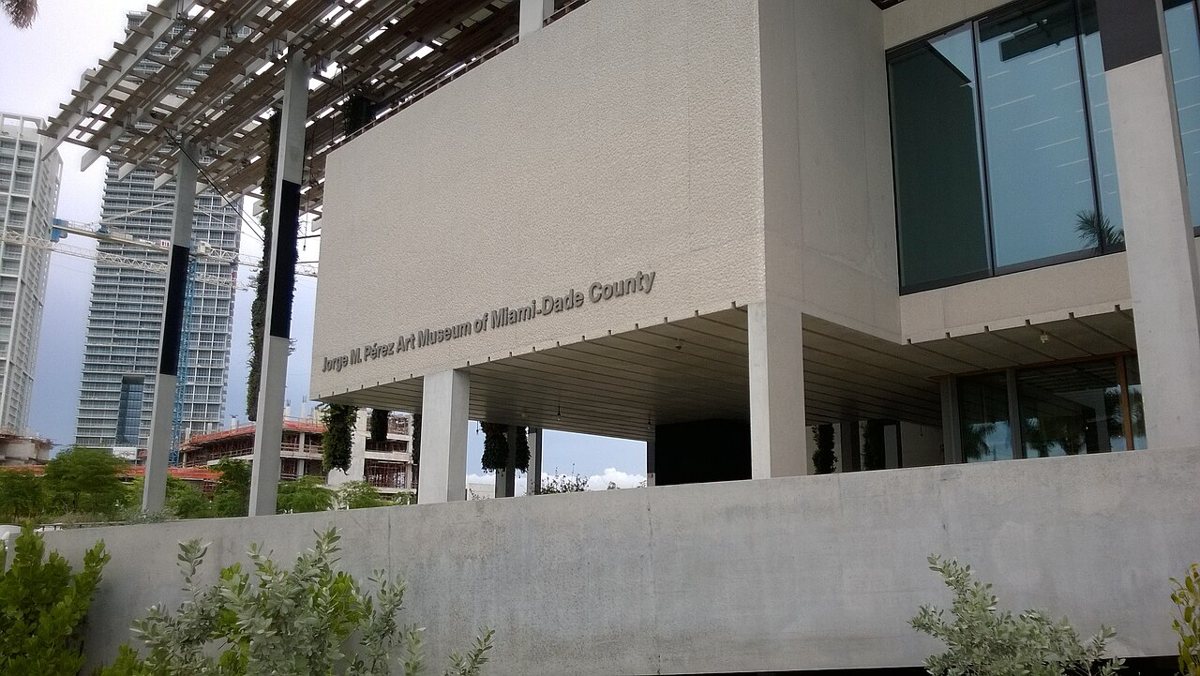
Pérez Art Museum Miami, known as PAMM, sits on the bay in Museum Park, and its design is a lesson in building for this climate. Wide overhanging canopies and hanging gardens shade the terraces, so the building itself becomes a cooling device, and the view across the water toward the Port of Miami and the skyline is worth a pause. The collection leans toward international modern and contemporary art with a strong emphasis on the Caribbean and Latin America, which makes sense for this city. Plan a morning here, take an hour on the terrace, and let the thunderstorm pass from behind glass. The Phillip and Patricia Frost Museum of Science stands next door, making the pair a natural double feature for a rainy day. Look for community free-admission days and local discounts, and check current exhibitions before you go.

Wynwood Walls and the Neighborhood Around It
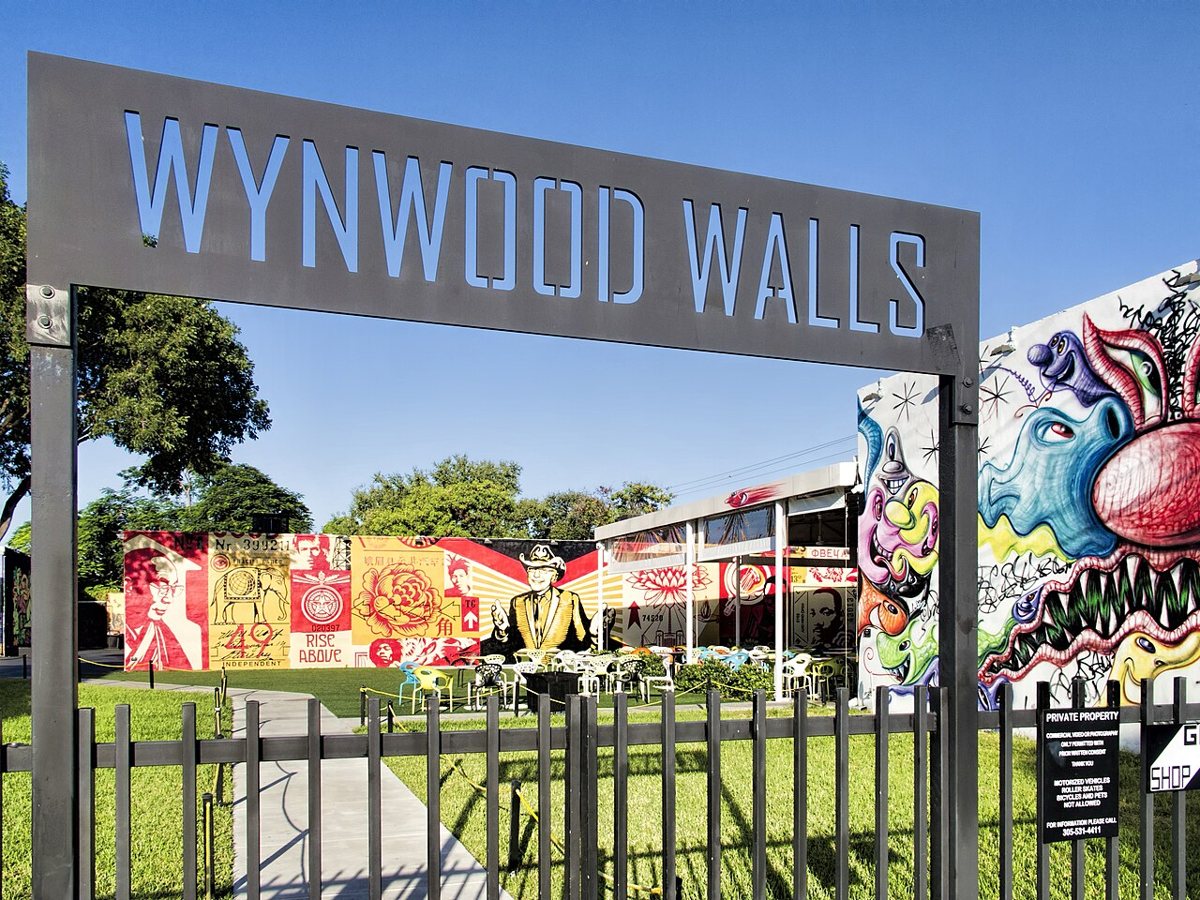
Wynwood is the neighborhood that turned a warehouse district into a global mural destination, and Wynwood Walls is the gated garden at its center, where artists from around the world have painted large works across the buildings. The Walls generally charge admission, while the surrounding streets are full of free murals on nearly every blank wall. Summer heat is brutal on the concrete, so the best hours are early morning or after the sun drops. In between, the galleries and coffee shops provide shelter, and many have cold dining rooms and chilled drinks. Wynwood Brewing Company is a dependable stop for a pint. Street art here changes constantly, so a return visit rarely repeats the previous one, and photographers appreciate the soft evening light on fresh paint.

Neighborhood Afternoons and Evenings
Little Havana and Calle Ocho
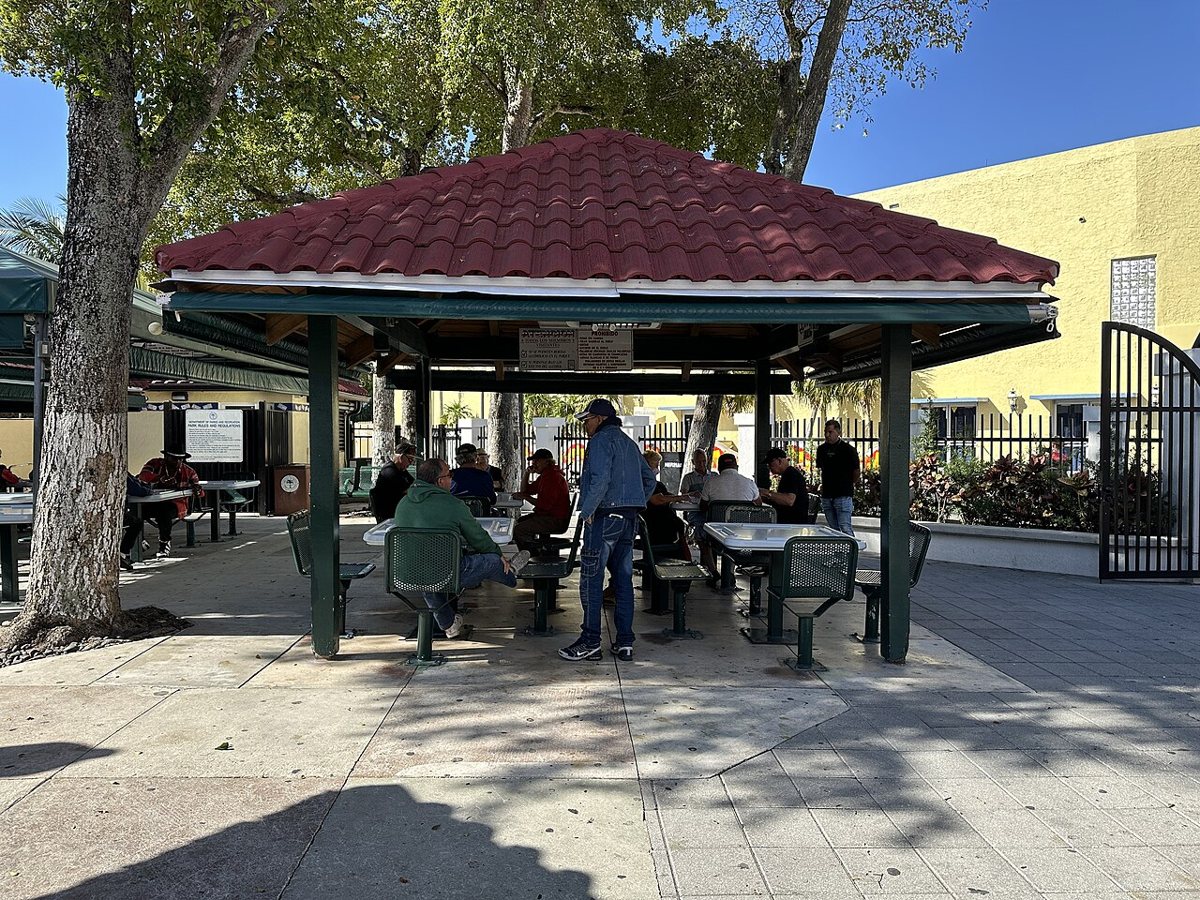
Little Havana is the center of Cuban Miami, and Calle Ocho runs through it. The summer pleasure here is simple: order a cafecito at a ventanita and watch the street alongside the regulars. Máximo Gómez Domino Park, a shaded corner where older men play dominoes with the focus of chess masters, is open to respectful visitors, and watching a game is a lesson in patience. Cigar rollers work in the small shops, and Versailles is the old guard Cuban restaurant that locals still use for a long family lunch. Azucar Ice Cream Company serves tropical flavors that suit the weather. On the last Friday of the month, the neighborhood has historically held its Viernes Culturales street gathering, so check whether it is running. Anyone who thinks of this district as a purely Cuban story should note the Central American and Venezuelan voices that have joined the street over recent decades.

Little Haiti
Little Haiti is one of the city's most distinctive communities, and a summer visit pairs well with a morning of food and music. The Little Haiti Cultural Complex hosts exhibitions and performances rooted in Haitian and Caribbean culture, and it is a good starting point for anyone new to the neighborhood. Haitian cooking is the draw for many visitors, with griot and fried plantains, and pikliz on the side, plus patties from neighborhood bakeries that make a fine snack for the road. A monthly Friday night gathering known as Big Night in Little Haiti has long brought music and vendors to the district, so look up whether it is currently active. The neighborhood is also home to botanicas and record shops that reward browsing. Go with curiosity and patience, and treat the place as a living community rather than a backdrop.
Bayfront Park and Downtown at Dusk
Downtown's Bayfront Park is the city's front lawn, a stretch of green on the water with an amphitheater and the Torch of Friendship, a reminder of the Americas bound together. At dusk, when the heat finally eases, runners and picnickers fill the paths, and the skyline reflects in the bay. The adjacent Bayside Marketplace has boat tours, which can be a pleasant, breezy way to see the Miami skyline and the mansions of Biscayne Bay from the water. Nearby, the Metromover circles through downtown and Brickell, making an easy way to see the towers without a car. For baseball fans, the Marlins play at loanDepot Park in Little Havana, and the retractable roof keeps the game air-conditioned when the weather turns.
A Day in the Everglades
Shark Valley and Everglades National Park
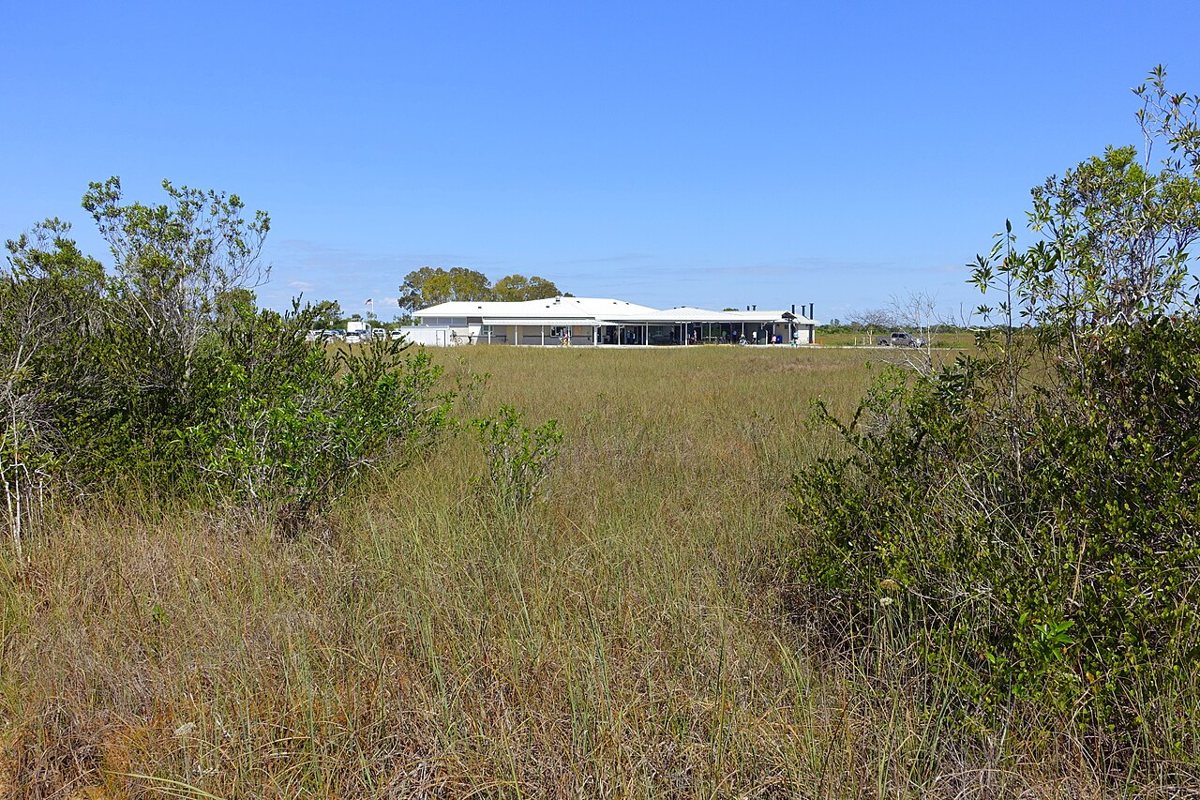
Summer is the Everglades' wet season, and it is the least comfortable and most dramatic time to visit. The water rises and the sawgrass turns a deep green. Mosquitoes arrive in force, and alligators gather along the canals with the patience of old landlords. Shark Valley, off the Tamiami Trail, is the most accessible entry from Miami, with a paved loop that visitors can ride by bike or by tram tour, ending at an observation tower with a sweeping view across the river of grass. Go at first light, bring heavy repellent and more water than seems necessary, and expect afternoon rain. The reward is a view of the landscape that makes Miami exist, a slow-moving freshwater river feeding the bay, and the sight of a wading bird lifting off the grass at sunrise.

Practical Notes for a Miami Summer
Getting around
Miami is a driving city, and summer traffic on the causeways and the Palmetto and Dolphin expressways can slow quickly when a storm hits. Leave extra time. The Metrorail connects Dadeland, downtown and the airport corridor. The Metromover loops the urban core and is often free of charge, which makes it a smart choice for central sightseeing. Rideshares fill the gaps, and Brightline connects the downtown station to cities to the north. For Key Biscayne, Oleta, and the Everglades, a car is still the most practical option. Check current transit rules before relying on any route.
Timing the day
- Plan outdoor activity from sunrise until about eleven, when heat and humidity are manageable.
- Spend midday in a museum or a long swim.
- Expect rain between two and five, and keep a backup indoor plan ready.
- Return to the water or the sidewalk at sunset, when temperatures drop and the light turns gold.
- Carry water and sunscreen everywhere, plus a light rain layer.
What is free or close to it
Many of the best summer pleasures cost little. Public beaches are usually free to enter, though parking is often charged. Wynwood's street murals and the paths at Bayfront Park are free to walk, and the Metromover is typically free to ride. Museums often offer community free days, and the city's restaurants run a late-summer dining promotion called Miami Spice, which usually offers set menus at reduced prices, so check the participating list. For a longer list of budget ideas, see our guide to free things to do in Miami. Always confirm current hours, fees, and conditions, since they change by season.
Our Verdict
The best advice for summer in Miami is to stop fighting the weather. The city rewards visitors who wake early and swim before breakfast, then hide through the afternoon until dusk. The people who complain about the heat are usually the ones who tried to do a 1 p.m. walking tour. Those who plan around the rain end up with the better stories: a cortadito at a ventanita while the sky opens, or a late paddle on a river that looks like it belongs to another century.
Miami summer is also the season when the city feels most like itself, a Latin American capital with a Caribbean pulse, where Spanish and Creole drift in alongside English at every counter, and the beach is only one of many reasons to be outside. Pick two or three of the places above, give each a proper morning or evening, and leave room for a thunderstorm. That is the real list of summer things to do in Miami, and it needs no cleverness, only a little timing and a good appetite.