Best Italian Restaurants in Miami: A Local's Guide
Italian food in Miami is having a serious moment, and not the red-sauce kind your nonna ordered in 1987. Here is how to find the real thing.
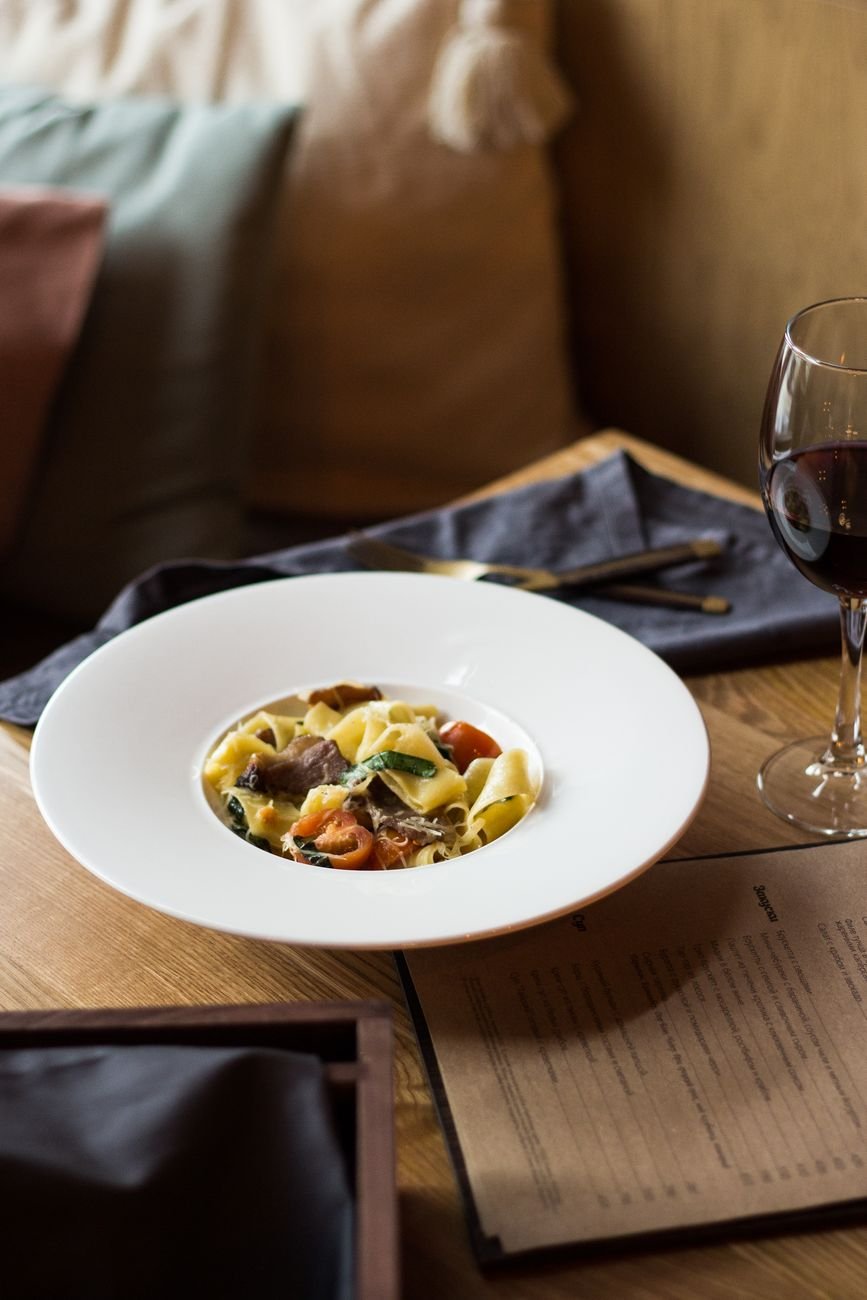
Spend enough time eating Italian food in this city and a pattern emerges: the best meals rarely happen in the places with the best Instagram presence. The smart diner ignores the open kitchen designed for content creation and looks instead at the bread that arrives before anything else, whether it comes from a bag or from someone who cares. That instinct, developed over years of chasing the best italian restaurants in miami across neighborhoods that have nothing to do with South Beach, is the real guide.
What the Best Italian Restaurants in Miami Actually Get Right
Italian cooking at its core is about restraint: fewer ingredients, handled well. A Sunday ragù should taste like hours of patience. Pasta should have bite. Risotto should move on the plate, not stand up in a mound. When a kitchen gets these things right, everything else follows. When it gets them wrong (too much cream, overcooked pasta, truffle oil from a bottle), nothing on the menu saves it.
Miami's relationship with Italian food is complicated by the same forces that shape everything here: real estate, celebrity, spectacle. A significant portion of what gets called Italian dining in this city is really just European atmosphere sold at Miami prices. The light is good. The wine list has Italian names on it. The fish is flown in. None of that is the same as cooking that understands why you add guanciale to a carbonara instead of pancetta, or why a Neapolitan pizza and a Roman one are different objects entirely.
The diners who eat well here have learned to ask a few baseline questions before committing. Does the menu change seasonally, or is it the same laminated card year-round? Are the pasta shapes made in-house? Is there a single region of Italy the kitchen draws from, or does it serve everything from Sicily to Lombardy in equal measure? The last question is the real tell. A kitchen with a genuine point of view usually narrows its focus. Italy is not one place.
Where to Look, Neighborhood by Neighborhood
Brickell and the Design District are where Italian restaurants go to be seen. Some of them are genuinely excellent. The clientele (Latin American finance money, international visitors, local professionals who eat out six nights a week) demands quality, and the good operators deliver it. But the neighborhood itself tells you nothing. You can eat badly at a very expensive table in Brickell without much effort.
Coral Gables has a long history with Italian dining. The Mediterranean Revival architecture creates a natural affinity, since the visual language of the neighborhood and the cooking belong loosely to the same continent. Several serious Italian kitchens have operated in the Gables for decades, which is itself a signal. Longevity in this city means something. Restaurants that are still full fifteen years in have earned it.
Wynwood has younger energy and more experimental cooking, including Italian concepts that borrow from the neighborhood's gallery-hopping DNA. Results vary widely. The design budget sometimes outpaces the kitchen budget. Worth exploring, but verify before you commit.
Coconut Grove, older and quieter, has a few spots that operate without flash and have loyal neighborhood followings as a result. That model, low profile and high regulars, often produces the most consistent food in any city.
How to Read the Menu
Regional specificity is a good sign. A menu that identifies its pasta as being from Emilia-Romagna, or its pizza tradition as Neapolitan, or its cooking as rooted in Rome, is a kitchen that knows something. Vague Italian-American registers (chicken parmigiana, fettuccine Alfredo, tiramisu as the only dessert) are not disqualifying, but they suggest a kitchen aimed at comfort rather than precision.
Look at how seafood is handled. Miami has access to stone crab in season and good Gulf shrimp year-round. A kitchen that ignores local product entirely and imports everything from elsewhere is making a choice, and not always the right one. Conversely, a kitchen that talks about its sourcing without delivering it in the food has just spent money on marketing copy.
Pasta dishes priced under a certain threshold often signal dried pasta from a box, which is not inherently wrong, since dried semolina pasta is a legitimate tradition in southern Italy, but it should taste like that tradition rather than like it was boiled to softness and served in jar sauce. Fresh pasta, hand-rolled and properly sauced, should cost what it costs. If it is priced like a burger, ask yourself why.
For pizza specifically, the Naples versus Rome distinction matters enormously here right now. Neapolitan-style, certified or otherwise, has dominated the conversation for a decade. Roman-style, thinner and crispier and baked at lower temperatures, is quieter but worth seeking. The crust tells you everything about whether someone is paying attention.
The Scene-First Room vs. the Kitchen-First Room
In this city, you can usually tell which kind of restaurant you are walking into before you sit down. Scene-first rooms prioritize the entrance, the bar, the DJ setup. The host station is staffed by models. It exists to make you feel like you are entering something. Kitchen-first rooms are calmer. The staff knows the menu because they eat it. The sommelier, if there is one, steers you toward the second-least-expensive wine because it happens to be the best value, not because the margin is better.
Neither type is wrong for what it is. But if you want to eat well, with the food as the point, go to the kitchen-first room. Miami has enough scene to last several lifetimes. Good cooking is a more limited resource.
The Takeaway
Italian food here is better than its reputation, which is partly a reputation problem caused by too many bad early experiences in the tourist-facing spots that line the beach corridors. Inland, in the neighborhoods where people actually live (the Gables, Brickell at the spots that predate the luxury condo wave, Grove restaurants that opened before Wynwood had murals), there are kitchens that understand the source material. The work is finding them. Eat the bread. Check the pasta. Order something that requires patience to make. That is the whole guide.