Best New Restaurants in Miami Worth the Trip
The city's best new kitchens aren't chasing red carpets or South Beach foot traffic. They are in Little Havana, Little Haiti, Coral Gables, and Brickell, and the smart way to find them is the same way locals always have.
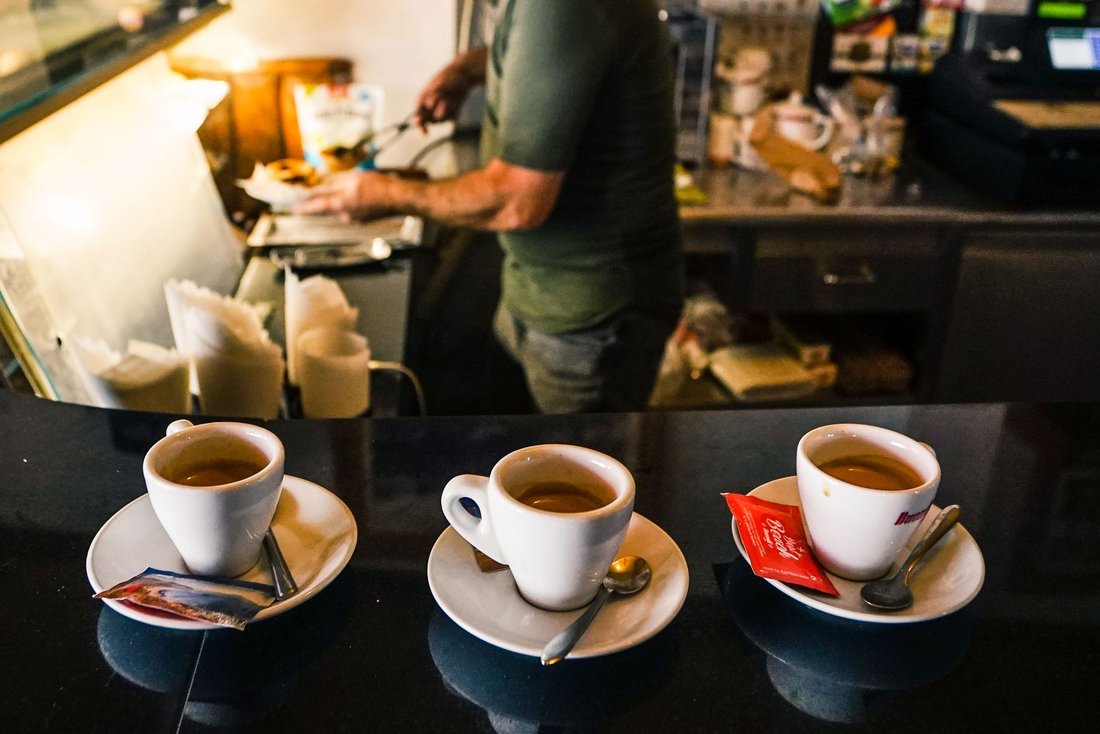
Ask a Hialeah abuela where to eat and she will not reach for her phone. She will name a cousin, a coworker, a neighbor who "knows people," and within the hour you will have a street name and instructions to arrive before the lunch rush ends. That word-of-mouth relay is still the real engine behind the best new restaurants in Miami, passed along at the ventanita long before a review site catches up. The city keeps opening kitchens faster than anyone can eat through them, and the good ones rarely announce themselves with a ribbon cutting.
Little Havana still produces more interesting cooking per block than almost anywhere else in the county, and not because it's frozen somewhere in the 1960s. It keeps moving because the cooking underneath it keeps moving. A new spot near Calle Ocho isn't trying to outdo the classic window counters so much as build on them, applying real technique to pernil or a croqueta a grandmother already perfected decades ago. Nobody needs to reinvent a proper ventanita; they need to respect what it already does well and push one or two things further.
A few blocks north, Little Haiti is doing something similar with griot and the slow-built sauce ti-malice that takes most of an afternoon to get right. That neighborhood is gentrifying quickly, which is its own uncomfortable story, but it also means kitchens run by Haitian cooks who grew up on this food are finally landing spaces large enough to show what they can do. Griot done properly is still one of the more underrated things you can eat in this city, and the newest openings there deserve the same attention critics give a flashy Brickell debut.
Wynwood has mostly graduated from murals and mezcal into an actual dining district, though it still skews commercial, built for gallery-walk foot traffic more than neighborhood regulars. Coral Gables rewards a different kind of patience. The tiled, arcaded blocks around the University of Miami have quietly become one of the more disciplined restaurant rows in the county, where a kitchen tends to favor technique over spectacle because the Gables crowd has seen spectacle before and wasn't impressed. Brickell runs on different fuel entirely. Towers of Latin American finance money and new condos have pulled in ambitious Venezuelan and Colombian kitchens aiming at diners who eat out in Bogotá or Caracas as often as they do here, which raises the floor for everyone nearby.
How to spot the best new restaurants in Miami before everyone else does
A restaurant with a publicist before it has a full kitchen staff is usually optimizing for opening week, not year three. The places worth a drive across town tend to share habits rather than one single tell.
- The menu stays short enough that you suspect the kitchen actually makes everything that day, not off a frozen pack from a commissary
- A specials board that changes because a delivery changed, not because a marketing calendar said it should
- A dining room where you hear Spanish or Kreyòl passed between servers and regulars, not just tourists asking for recommendations
- Staff who clearly worked together somewhere else first, which shows up fast in how a service holds together under a Friday rush
Age matters less than people assume. A restaurant that opened eight months ago and has already found its rhythm can matter more than one that opened last week and is still finding its footing. Local food writers and longtime service industry workers tend to wait a few weeks before writing anything, long enough for a kitchen to settle its systems, and that patience is usually worth borrowing.
What to order while it's still new
Order the dish a kitchen seems proudest of, not the safest one on the menu. If a Venezuelan spot lists pabellón, that's the dish to judge the whole operation by, since it asks a cook to get four separate components right at once and serve them in balance. If it's Cuban, a good croqueta tells you almost everything: the ratio of filling to breading, the oil temperature, whether someone actually cared. In Little Haiti, griot paired with pikliz will tell you fast whether the kitchen understands heat as a seasoning and not a stunt. Cafecito or a cortadito at the counter, ordered while you wait for a table, is its own quiet test. Miami is a city where the coffee before the meal can be a better indicator than the entrée that follows it.
A few ordering habits worth keeping
- Ask what changed on the menu in the last month; a real answer usually means a real kitchen
- Order something in season, particularly stone crab when it's running, rather than whatever photographs best
- Trust a full room of regulars over an empty room with a line forming outside for a different reason entirely
Getting a table without waiting half a year
Reservation apps are worth checking, but they miss most of what matters here. Walk-in counters and ventanita windows don't take reservations at all, and some of the most interesting new openings run that way on purpose, keeping the format loose enough to stay flexible while they figure out what they are. Weeknight dinners, especially Tuesday through Thursday, remain the easiest way into a new spot that's already generating weekend lines. Lunch service tends to be gentler on both the wallet and the wait, and it's often when a kitchen is cooking with the most focus, before a dinner rush forces shortcuts.
Following individual cooks matters more than following restaurant names in a city where chefs move between kitchens, open pop-ups, and launch permanent spaces once they've tested a concept in a smaller room. A cook who ran a strong pop-up in Little Havana two years ago and just opened a proper storefront in Coral Gables is a far better bet than an address with buzz and no track record behind it.
None of this requires South Beach, and it shouldn't. The restaurants worth crossing the county for right now are being built by Cuban, Haitian, Venezuelan, and Colombian cooks working in neighborhoods that were never designed with a tourist board in mind. Find the kitchen that's still figuring itself out in real time, order the dish it's proudest of, and go back a second time before you tell anyone else where you found it.