Best Coffee Shops in Miami Worth the Trip
In a city that treats coffee as ritual more than caffeine delivery, the real map runs from ventanita windows to third-wave roasters, and skipping either half misses the point.
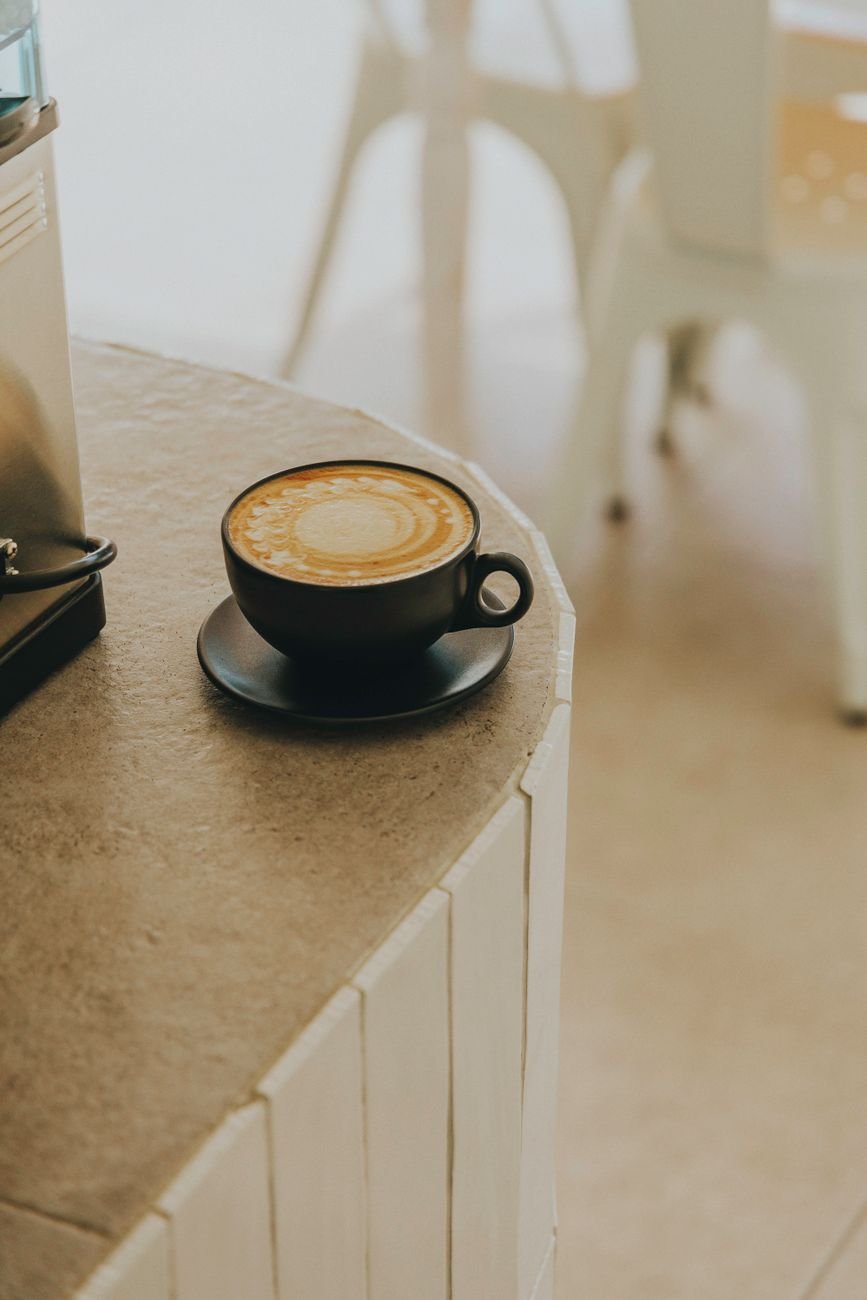
By eight in the morning the shutter is already up at a ventanita on a Little Havana corner, and the first cortadito of the day is already gone, four sips and out, no chairs, no laptops, no small talk beyond the order itself. Behind that first customer three more people are waiting without forming anything you'd call a line, and the woman working the window has already started beating sugar into the next shot before anyone asks.
Ask five people where to find the best coffee shops in Miami and you'll get five different maps depending on which Miami they grew up in. One map points to walk-up windows in Little Havana and beyond, out to Hialeah and Westchester, where a shot of Cuban espresso costs pocket change and comes capped in that tan foam called espumita. The other map points to roasteries in Wynwood and Brickell and up in the Design District, where the menu lists growing regions and the pour-over takes four minutes. Both maps are accurate. Neither one covers the whole city, and a good coffee crawl here has to use both.
Two Coffee Cultures, One City
The ventanita is not nostalgia, it's infrastructure. Cuban exiles brought the ritual of stovetop-brewed, sugar-whipped espresso in the 1960s and it never stopped running: office workers still walk out mid-shift for a cafecito, construction crews still order colada to split among four people, retirees still hold court at the counter for an hour over café con leche and a buttered Cuban toast. The ventanita is a walk-up window built into the side of a restaurant or bakery, no seating required, and it moves fast because the whole neighborhood runs on it. Calle Ocho has the highest concentration, but the ritual isn't confined to Little Havana. Hialeah has its own versions, so do Westchester and parts of Kendall, usually attached to a panadería, and the coffee is judged the same way in all of them: strong, sweet without being syrupy, and gone before it gets cold.
The other Miami coffee scene grew up more recently and reads like coffee culture anywhere else in the country, third-wave roasters, light-roast single origins, oat milk, baristas trained to talk about acidity and body. Wynwood absorbed a lot of this as the arts district filled in around its warehouses, and it pairs naturally with an afternoon spent gallery-hopping or wandering the outdoor mural walk. Brickell's towers support a version aimed at people with ten minutes between meetings. Coral Gables and Coconut Grove lean quieter, more sit-down, closer to a European café pace. None of this is imported culture layered on top of the real Miami. It's what happens when a city with serious money and serious design instincts also happens to sit at the edge of the Caribbean and Latin America, with easy access to coffee-growing countries and a population that already takes the drink seriously.
How to Order Like You Belong There
- Cafecito: a single shot of sweetened Cuban espresso, meant to be downed in one go at the counter.
- Colada: the same espresso in a larger cup meant for sharing, poured into small plastic cups called cafecitos for the rest of the office or the crew.
- Cortadito: espresso cut with a small amount of steamed milk, the middle ground between a cafecito and a full café con leche.
- Café con leche: strong coffee poured into a larger cup of hot milk, closer to breakfast than a jolt.
- At a specialty counter, ask what's on pour-over that day and how recently it was roasted. A shop proud of its beans will tell you the farm or at least the region without being asked twice.
What Actually Makes the Best Coffee Shops in Miami
The best coffee shops in Miami, in either tradition, share a few things that have nothing to do with décor. The espumita on a cafecito should hold its shape for a few seconds, a sign the sugar was beaten into the first drops of espresso properly instead of just stirred in after. A colada shouldn't taste burnt at the bottom of the pot, which happens when a ventanita rushes through a rush. On the specialty side, a shop that rotates its beans and posts a roast date is telling you something a shop that doesn't isn't. Oat milk and almond milk should be options, not apologies. And the best specialty counters in this city, the ones worth a drive across two bridges, tend to source at least some beans through direct relationships with growers in Colombia or Guatemala, sometimes Honduras, which matters more to the cup than a polished logo does.
The geography matters too. A coffee run through Little Havana works as a warm-up for a proper Cuban lunch a few blocks later, croquetas and all. A specialty crawl through Wynwood or the Design District fits naturally between gallery stops or a browse through the design showrooms. Coconut Grove and Coral Gables reward slowing down, sitting outside under actual shade, staying for a second cup. None of these neighborhoods needs South Beach as a backdrop, and none of them should be judged by it. The coffee that matters in this city is made blocks from the beach, sometimes miles from it, in kitchens run by families who've been doing this since before Ocean Drive got its neon back.
Beyond the Cuban Ventanita
Cuban coffee culture gets most of the attention because it's the loudest and oldest of Miami's traditions, but it isn't the only one. Little Haiti carries its own coffee habits, tied to a country that has been growing and exporting beans since colonial times, and Haitian coffee tends to run darker and is often taken with condensed milk rather than sugar stirred in separately. Doral and other pockets of the Venezuelan community keep their own counter culture alive too, ordering a marroncito, mostly coffee with a splash of milk, or a guayoyo, coffee brewed weaker and black, closer to filter coffee than espresso. A serious tour of Miami coffee has to include these traditions instead of collapsing everything into one Cuban-only story, because the city's coffee habits were built by more than one immigrant generation and more than one country.
None of this needs to be complicated. Start a morning at a ventanita for a cortadito standing up, no phone out. Spend an afternoon at a specialty counter reading a menu that explains itself. Notice how differently the two hours feel and how both of them are unmistakably Miami. The city's coffee isn't a choice between old and new. It's what happens when both keep running at full speed a few blocks apart from each other, seven days a week, without either one asking permission from the other.