Things to Do in Wynwood Worth Exploring
Skip the influencer shuffle past the paid gate. Here is what actually rewards a full day in Wynwood, mural block by mural block, brewery by brewery.
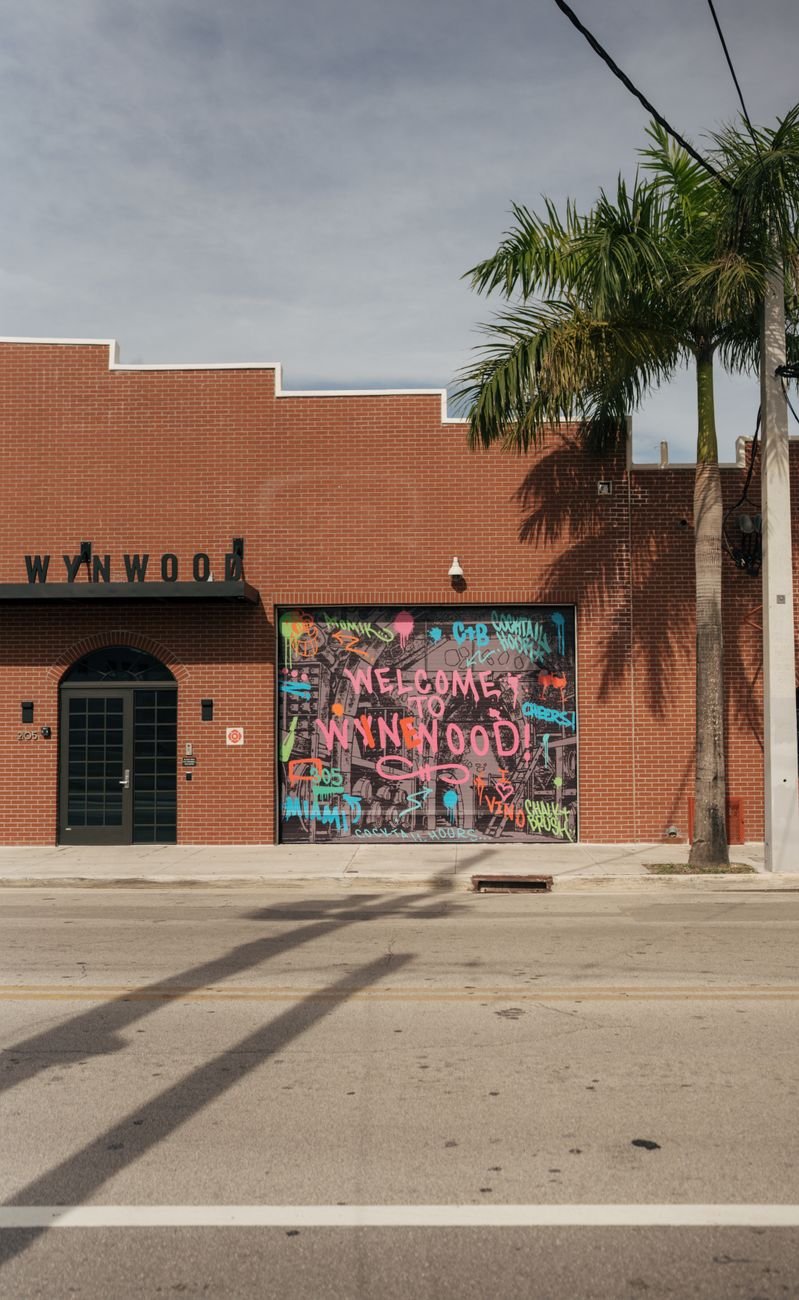
Seven in the morning on NW 2nd Avenue, before the tour vans and the rolling suitcases, a delivery guy props open the metal gate of a coffee window and the first cortadito of the day hisses into a paper cup. The light comes in low and orange off Biscayne Bay and lands flat against a wall-sized portrait some artist finished at 3 a.m., paint still slightly tacky at the edges. This is Wynwood without the crowd, and it is the version worth understanding before the crowd shows up. Search things to do in Wynwood and most guides point you at one paid gate and call it a day. A rooster picks through gravel behind a shuttered garage that used to be exactly that, a garage, before this stretch of warehouses became one of the most photographed few square miles in the country, and the honest answer is that the neighborhood rewards people who slow down, because most of what matters here was never meant to be seen in a single sprint from mural to brunch to rideshare.
What follows is not a list of everything with a Wynwood address. It is the stuff that has actually earned its reputation, organized the way you would experience it walking the district block by block: the murals that started it, the galleries and small museums that gave it weight, the breweries that gave it an afternoon, and the food and shops that fill in the rest of a day.
Things to Do in Wynwood: Where the Murals Started It
Wynwood was warehouses and garment factories before it was anything else, a working-class industrial strip north of downtown that emptied out through the 1980s and 90s. What turned it around was not a developer's master plan, at least not at first. It was a real estate family with a soft spot for graffiti and a decision to hand blank warehouse walls to serious street artists instead of tearing the buildings down. That decision is the reason Wynwood now has more murals per block than almost anywhere else in the country, and it is the reason so many other cities have tried, mostly without success, to copy the formula.
Wynwood Walls
This is the anchor, a fenced outdoor museum of roughly six connected lots where curators have spent well over a decade inviting internationally known muralists to paint. It is the one paid experience on this list, and it is worth knowing that going in, because plenty of visitors show up assuming the whole neighborhood works this way and it does not. Inside, the scale is the thing photographs never quite capture: full building facades given over to a single artist's vision, courtyards planted with palms so the art has room to breathe, a rotating cast of walls that get repainted often enough that regulars notice new work every visit. Go for the courtyard as much as the walls. There are usually a couple of bars and a shaded seating area, so you can sit with a drink and actually look instead of just walking a loop with a phone up. Insider tip: come right at opening on a weekday. The light is better for photos and you will have entire walls to yourself before the tour groups arrive around midday.
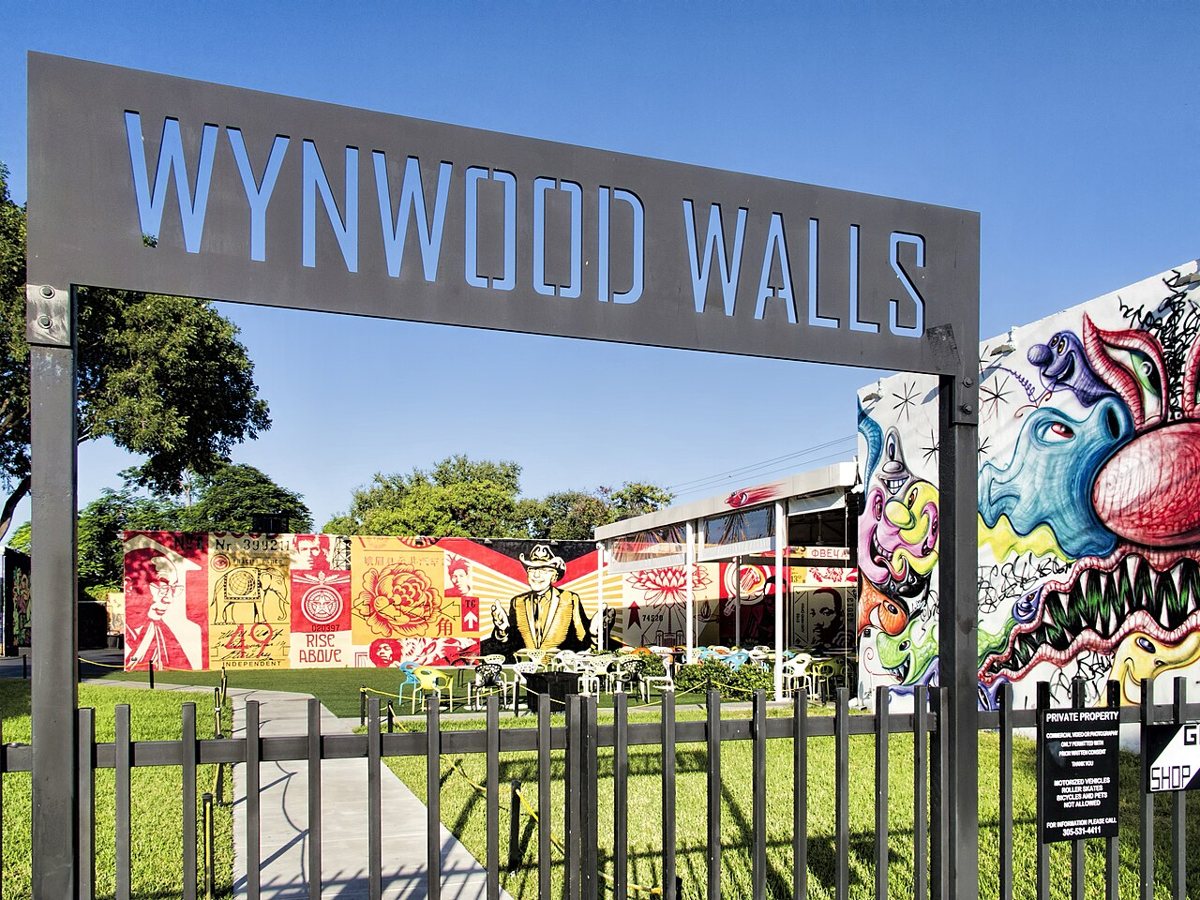

The Free Murals Beyond the Gates
Here is the part that trips people up: Wynwood Walls is paid, but the murals that made Wynwood famous in the first place are almost entirely free, painted directly on the sides of working businesses, parking garages, and warehouses up and down NW 2nd Avenue and the side streets running off it. Some of the best work in the district is on a wall you will pass on your way to lunch, no ticket required. This is Miami's mural scene at its rawest, unmanaged and constantly changing, since building owners repaint or commission new work whenever the mood strikes. Walk the full length of NW 2nd Avenue between roughly 20th and 29th Streets, then cut over to NW 3rd and NW 4th Avenues, where a lot of the newer and stranger work tends to land because the foot traffic is lighter and artists get more freedom. Bring water and expect no shade. The insider move is to walk it counter to how everyone else does, starting north and working south in the late afternoon, so the sun is at your back for photos instead of blowing out every wall you look at.

Galleries and Small Museums Worth the Detour
Wynwood's gallery scene gets overshadowed by the murals, which is a shame, because some of the more serious art in Miami lives a five-minute walk from the paint everyone photographs.
Museum of Graffiti
A small, focused museum built entirely around graffiti as an art form and a cultural history, tracing the movement from 1970s New York subway cars through to the mural culture that now defines this exact neighborhood. The exhibits mix archival photography, original canvases, and interviews with writers who were there at the start, and there is usually a working mural or two outside that changes with visiting artists. It rewards people who want context, not just color. Go slow through the timeline rooms rather than rushing to the gift shop, since the museum does a genuinely good job explaining why a can of spray paint and a subway car in the Bronx eventually led to a real estate family repainting warehouses in Miami fifty years later. Rough area: the eastern edge of the district, an easy walk from most of the free murals.
The Margulies Collection at the Warehouse
A private contemporary art collection housed in a genuine warehouse, assembled over decades by a Miami developer who has quietly become one of the more serious collectors in the country. The scale here is different from a gallery crawl: massive installation pieces, video work, and photography spread across a raw industrial floor plan that lets the art breathe in a way a conventional museum rarely allows. It is a slower, quieter visit than most of Wynwood, which is exactly its appeal after an hour of mural crowds. Insider tip: this is not a walk-by attraction, it operates on a limited seasonal schedule, so check ahead rather than assuming you can just show up. It sits toward the edge of the arts district, a short rideshare or a longer walk from the Wynwood Walls core.
The Second Saturday Gallery Walk
On the second Saturday of most months, a cluster of Wynwood galleries opens late and stays open into the evening, turning a normal evening into an informal, self-guided crawl. It is looser and less produced than it sounds, some spaces pour wine, some just leave the lights on and the front door open, and the crowd skews toward actual Miami gallery regulars rather than tourists, which makes it one of the better ways to see the neighborhood's art side without a ticket. Check which spaces are participating before you go, since the lineup shifts month to month, and pace yourself, because the district is bigger on foot after dark than it looks on a map.
Breweries and Bars for the Afternoon
Wynwood's other identity, running parallel to the art, is as one of Miami's real craft beer neighborhoods, dense enough that you can walk a proper brewery crawl without ever calling a car.
Wynwood Brewing Company
One of the district's original craft breweries, opened when this was still mostly empty warehouses and murals were the only reason to visit. The taproom keeps a rotating lineup built around Florida-leaning styles, easy-drinking pale ales, and seasonal releases that change often enough that regulars keep coming back to see what's new. The room itself is unfussy, concrete floors, communal tables, brewing equipment visible behind glass, which fits the neighborhood's overall refusal to get too polished. Sit at the bar rather than a table if you want to actually talk to the people pouring your beer, since most of the staff have been around long enough to walk you through what's on tap. It sits a few blocks off the main mural drag, an easy add-on after a morning of walking.
Concrete Beach Brewery
A larger, more industrial space with a taproom that opens onto a big outdoor patio, which makes it a natural stop on a hot afternoon when you want beer and shade and room to actually spread out. The lineup runs from approachable lagers to heavier, more experimental batches, and there is usually food available on site or close enough to walk to. What sets it apart from some of the neighborhood's newer bars is scale: it feels built for a crowd rather than a handful of regulars, so it is a good pick if your group is bigger than three or four people and you want somewhere everyone can actually find a seat. Rough area: north end of the district, a bit of a walk from Wynwood Walls but worth it.
J. Wakefield Brewing
The brewery Miami's serious beer drinkers actually argue about, known for sour and fruited styles built around Florida produce, guava and passionfruit and mango showing up in ways that sound like a gimmick until you taste one done right. The space itself doubles as an informal community hub, food trucks parked outside most days, a crowd that trends younger and more local than the mural tourists a few blocks south. Order a flight if you have never had a Florida-style sour before, since the range from tart to genuinely funky is wide and a single pint is a gamble if you land on the wrong end of it. It sits toward the district's western edge, a slightly longer walk that thins out the crowd.
Wood Tavern
An open-air bar built around a big shared yard strung with lights, picnic tables, and a rotating cast of food trucks parked along the fence line. It is the closest thing Wynwood has to a backyard party that anyone can walk into, no list, no dress code beyond whatever you already have on from a day of mural-walking. The draft list stays simple and the crowd does the rest, a mix of neighborhood regulars, gallery staff getting off work, and whoever wandered over from the murals a block away. Go around sunset, when the string lights come on and the yard fills in without yet being shoulder to shoulder. It is dead center in the district, easy to fold into a mural walk without a detour.
An Arcade Bar for a Rainy Afternoon
A few spots in the district trade the usual sports-bar formula for vintage arcade cabinets and pinball machines, a genuine change of pace after a few hours of looking at art and drinking outside. Look for one where the machines actually work and the mix skews toward classics rather than newer games. It makes a good rainy-afternoon option too, since almost everything else on this list is outdoors and Miami's summer storms show up fast and leave just as fast.
Eating Your Way Through Wynwood
Food in Wynwood used to mean whatever taco truck happened to be parked outside a gallery opening. That has changed, though the neighborhood has mostly resisted turning into a food court.
1-800-Lucky
A food hall built inside a former warehouse, organized around a loose Asian-food theme with a handful of vendors serving ramen, dumplings, and sushi alongside a bar in the back that gets its own late-night crowd once the kitchens wind down. What makes it work is the setup: long communal tables, an open floor plan, and enough variety that a group with different appetites can actually agree on where to sit. It gets loud and full on weekend nights, so if you want to actually hear the person across the table, aim for an early dinner instead. It sits right in the thick of the district, an easy walk from nearly everything else on this list.
Cuban and Venezuelan Flavors on the Street
Wynwood sits close enough to Miami's older Cuban and Central American communities that the street-level food never fully gave way to the newer restaurants. Look for a ventanita window doing brisk business on a corner, the kind of walk-up counter where regulars order in shorthand and the barista knows exactly how sweet to make it without asking. Pair a pastelito with a proper cafecito, the tiny, syrup-sweet shot that Miami runs on, and drink it standing at the counter the way it is meant to be had. A few blocks over, Venezuelan spots serve arepas split open and stuffed with shredded beef or black beans and cheese, a reminder that Miami's Latin identity was never just one country's food, even in a neighborhood best known for its walls.
Shops and Records
The retail side of Wynwood swings between high-end streetwear boutiques that moved in once the district got famous and a handful of older, stranger spots that predate the murals entirely.
Independent Records and Vintage
The district still keeps a few independent shops stocking new and used vinyl across genres, with local and Latin American sections that most chain stores do not bother carrying. Some double as small venues, hosting in-store performances and events often enough that it is worth checking what is happening before you show up just to browse. The staff at the good ones actually know the stock, which is rarer than it should be, and they will talk your ear off about a record if you let them.
Beyond the record store, expect a mix of sneaker boutiques, small design-forward clothing shops, and pop-up storefronts that rotate every few months, especially along NW 2nd Avenue. None of it is essential in the way the murals or breweries are, but it fills the gaps between stops on a longer walk, and the storefronts themselves are often painted or decorated well enough to be worth a look even if you do not go in, part of Miami's mural scene spilling past the district's official edges.
Getting There, Parking, and When to Go
- Wynwood sits just north of downtown and the Design District, close enough to reach by rideshare in minutes from most of central Miami, and a short ride from Miami Beach across the causeways.
- Street parking exists but fills fast, especially on weekends, and several surface lots and garages charge for the day. Budget extra time to circle if you are driving during peak hours.
- The district is genuinely walkable once you park or get dropped off, and most of what matters is within a fifteen to twenty minute walk end to end, so resist the urge to drive between every stop.
- Mornings on weekdays are the quietest window for the free murals and for Wynwood Walls itself. Weekend afternoons bring the heaviest foot traffic, tour groups, and photo lines.
- Remember that Wynwood Walls charges admission while nearly everything painted on the surrounding streets is free to walk up and see, a distinction that catches a lot of first-time visitors off guard.
- Miami heat is real for most of the year. Carry water, and plan outdoor mural walking for morning or early evening rather than the middle of the afternoon.
None of this works as a checklist, honestly, no matter how it reads on a page. Wynwood earns a full day, not a rushed loop between a paid gate and a photogenic taco. Walk the free walls before you pay for the ones behind the fence. Sit down somewhere with a beer in your hand and watch the neighborhood go by instead of photographing every inch of it. This is a working arts district that happens to be one of the most visually loud places in the country, built by a Latin American city that never asked permission to look the way it does. Give it the time it takes to actually see that, and it gives back more than any single mural ever could on its own.