Best Mexican Restaurants in Miami Worth the Trip
In a city built on Cuban and Caribbean flavor, Miami's best Mexican cooking hides in South Dade farm towns and a few honest pockets closer to the core. Here's where to actually find it.
Drive west on Krome Avenue on a Saturday morning and you will pass produce stands selling mamey and malanga before you hit a single strip mall with a taqueria sign hand-painted on plywood. That's the tell. The best Mexican restaurants in Miami rarely sit on a glossy corridor with valet parking. They sit where the work is: near the nurseries and packing houses of South Dade, tucked into strip plazas that don't bother with English on the menu because they don't need to.
This is a Cuban and Caribbean city first. Little Havana runs on ventanita coffee and croquetas, Little Haiti smells like griot and pikliz by noon, and Brickell's towers are stacked with executives from Bogotá and Caracas. Say "Miami food" to most people and they picture a Cuban sandwich or a plate of ropa vieja, and they're not wrong to. Mexican food here doesn't have the deep, citywide footprint it has in Los Angeles, Houston, or even Orlando. It clusters. Finding it well means knowing which clusters to trust and which taco stand is coasting on tourists who don't know the difference.
Why the best Mexican restaurants in Miami take some hunting
Miami's Mexican population is real but concentrated, and that concentration is exactly where the food gets serious. South Dade, especially around Homestead and Florida City, has drawn Mexican and Central American farmworker families for generations, following the tomato and bean harvests that still define that stretch of the county. The restaurants that grew up around that community were built to feed people who grew up eating this food, not to impress a food blogger. That's the difference you taste. Beyond South Dade, smaller pockets show up wherever Mexican and Central American workers have settled near the trades, kitchens, and construction crews that keep the rest of the city running. A few taquerias have also planted flags closer to Wynwood and the urban core, aimed at a broader crowd, and some of those are genuinely good. The ratio just runs the other way from what visitors expect.
Homestead and South Dade
This is the heart of it. Family-run spots here have been cooking for a working Mexican community for decades, which means the menu skews toward what people actually eat at home rather than what photographs well. Expect steam trays of stewed meats, handmade tortillas, and a Sunday crowd that shows up after church and stays for hours.
Pockets closer to the urban core
A smaller number of places near Wynwood, Little Havana, and other central neighborhoods serve a more design-forward version of Mexican food, often mixing regional Mexican technique with the pan-Latin ingredients Miami has on hand. Some of it is excellent. Just go in knowing you're getting a different, more polished experience than what's happening out west, not a lesser one.
What to order once you're there
The menu is where you separate a place that's cooking for the neighborhood from one that's cooking for Instagram.
- Tacos al pastor: look for the vertical spit, or at least meat that's clearly been marinated and layered rather than griddled from a bag. A thin slice of pineapple and a scatter of onion and cilantro is the whole point, nothing more should be needed.
- Birria: the stewed, chile-rich beef or goat that's built for dipping tacos into their own broth. If a kitchen is doing it right, the consommé alone tells you how seriously they take the rest of the menu.
- Tamales: a good indicator of whether a kitchen has a grandmother's recipe behind it. Masa should be light, not dense, and the filling should taste distinct from whatever's in the tacos.
- Aguas frescas: horchata, jamaica, tamarindo, made fresh rather than from syrup, usually sitting in glass jugs near the register where you can see them.
How to tell the real thing from the tourist version
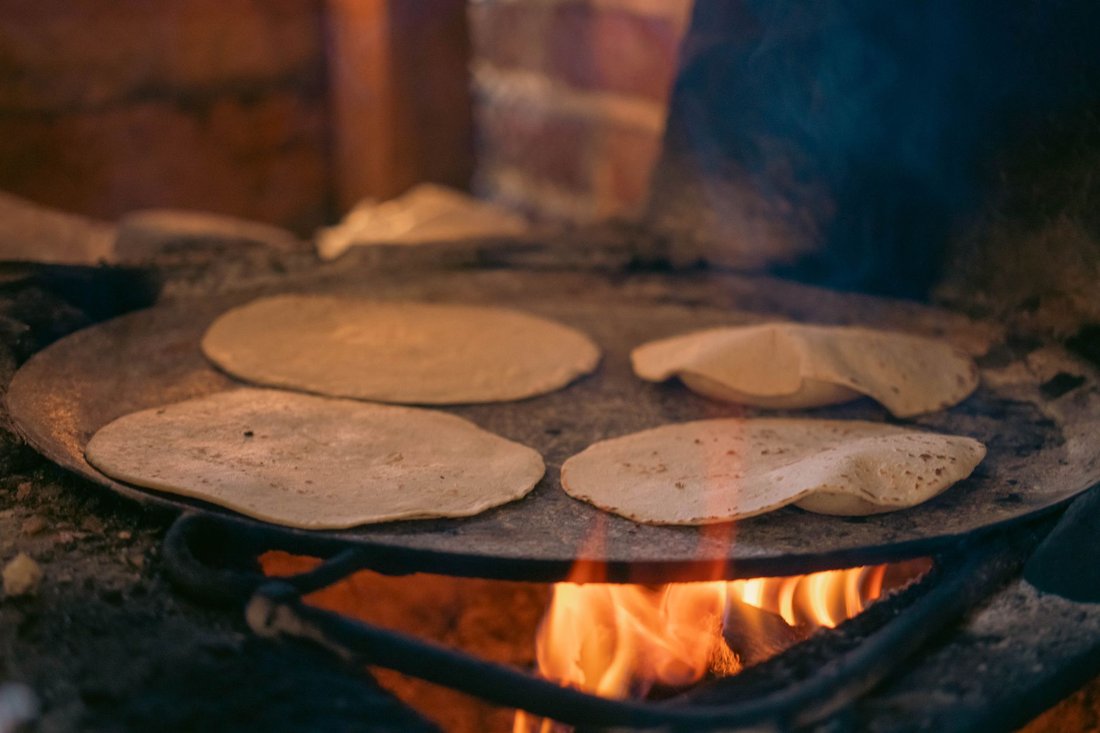
A few honest signals help. Handmade tortillas, visible on a comal or press rather than pulled from a plastic bag, are one. A menu with regional specificity, naming a state or style rather than a generic "Mexican combo plate," is another. Spanish-first signage and a crowd that looks like it's there for a weekly habit rather than a one-time visit both matter too. None of these are guarantees, but together they separate the places built for a community from the ones built for foot traffic. It also helps to go with modest expectations about setting. The best plate of birria you'll eat in this county might come from a folding table and a propane burner, and that's not a knock against it.
Worth saying plainly: Mexican food isn't Miami's main course, and it doesn't need to pretend otherwise. What the city has is smaller and more rooted, shaped by the same farmworker and immigrant communities that built the farm towns of South Dade into what they are. Treat it the way locals treat the ventanitas of Little Havana: as a working-class food culture worth respecting on its own terms, not a novelty to check off a list.
The takeaway is simple. If you want the best Mexican restaurants in Miami, drive west before you drive to Wynwood, ask the person behind the counter what they'd order for themselves, and don't mistake distance from downtown for distance from the real thing.