Best Hikes near Miami Locals Recommend
South Florida has no hills, so the walks worth your morning run through sawgrass, mangroves and hardwood hammocks. A local's guide to the boardwalks, loops and preserves in and around Miami.
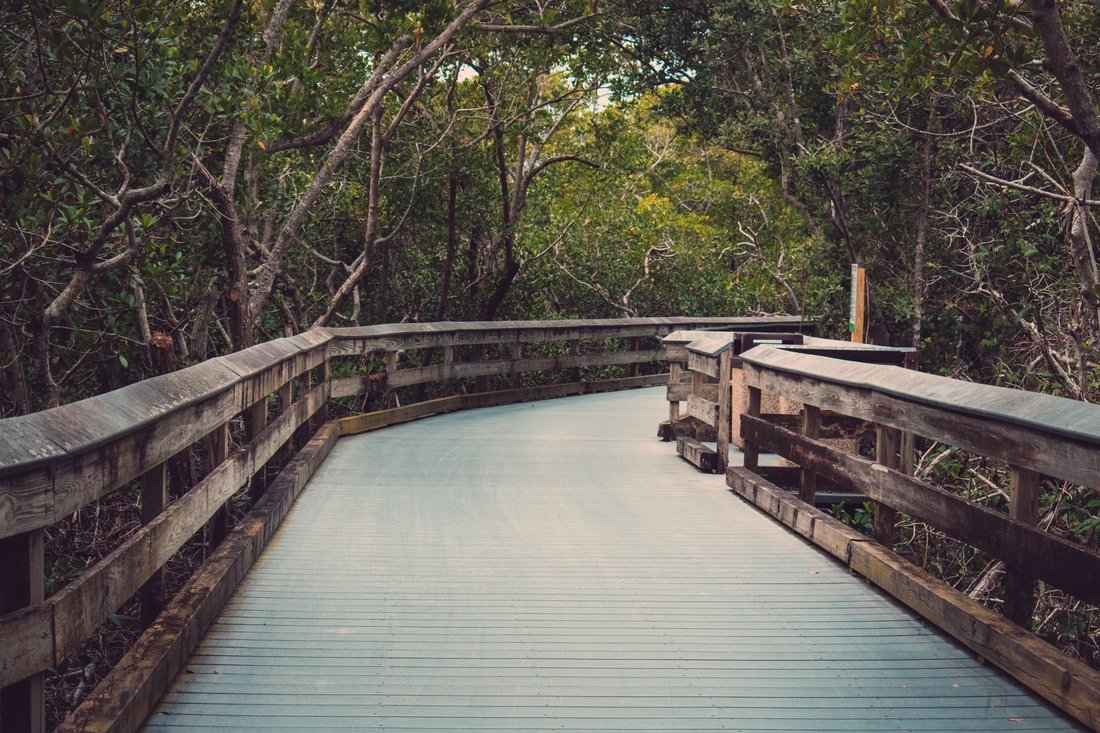
A little after sunrise on the Anhinga Trail, an anhinga perches on the boardwalk rail with its wings held open like laundry on a line, and ten feet below it an alligator lies so still that first-timers walk right past. Nobody hurries here. That is the honest opening to the best hikes near miami: the ground never climbs, the reward comes from looking closely, and the walks that matter pass through sawgrass, mangrove and shaded hammock instead of up a ridge.
Say it plainly, the way any Hialeah kid raised on weekend parques would. Miami is flat. The natural high ground in this county is a limestone spine, the Atlantic Coastal Ridge, that rises a few feet above the water table, and the whole region sits on porous rock that Everglades water has been crossing for thousands of years. Anyone promising switchbacks is selling something. What this place offers instead is a different kind of hike, measured in birds counted, shade found and minutes spent watching a mangrove root pull up from the mud.
That flatness is a strength. A boardwalk walk here is open to a grandmother, a toddler on a dad's shoulders and a serious photographer with a long lens, all on the same morning. Trails stay level, the scenery changes every few hundred yards, and the wildlife is closer than it ever is on a mountain. This guide sorts the walks by landscape, from the Everglades outward to the bay, and finishes with the practical facts about heat, bugs and what costs nothing. Check current conditions with each park before you go, since water levels and closures shift with the season.
What Counts as a Hike in a City Built on a Limestone Shelf
Four kinds of walks make up the local menu. Boardwalks lift you over marsh and mangrove so your shoes stay dry. Hammock trails wind through dense stands of tropical hardwood, the shaded islands of oak, gumbo limbo and strangler fig that rise out of pine rockland and sawgrass. Coastal paths follow the edge of Biscayne Bay or the Atlantic. Paved loops through the Everglades are walkable, bikeable and sometimes best done on two wheels.
Mileage is modest. Most of these are one to three miles, and the longest are loops that let you choose your own stopping point. Pack water and a hat instead of trekking poles. Miami also looks different from one park to the next, because the city is a Latin American capital that happens to sit in Florida, and the people on the trail reflect it. You will hear Spanish at the trailhead, Haitian Creole at the picnic table and Venezuelan accents arguing happily over whose cooler holds the better snacks.
The Best Hikes Near Miami Start in the Everglades
Everglades National Park begins less than an hour from downtown, which is the single best fact about living here. The park is enormous and most of it is water, so the walks tend to be short boardwalks and one famous loop. Start here, then work outward.
Anhinga Trail at Royal Palm
The Anhinga Trail is the Everglades in miniature. A short paved path and boardwalk loop leaves the Royal Palm area and crosses a freshwater slough where alligators, turtles, gar and wading birds crowd together, especially in the dry winter months when water pulls back into the deepest pools. Anhingas dry their wings on the rails, great blue herons stalk the edges, and purple gallinules pick across lily pads like they are late for something. Plan on an hour if you are unhurried and longer if you carry a camera.
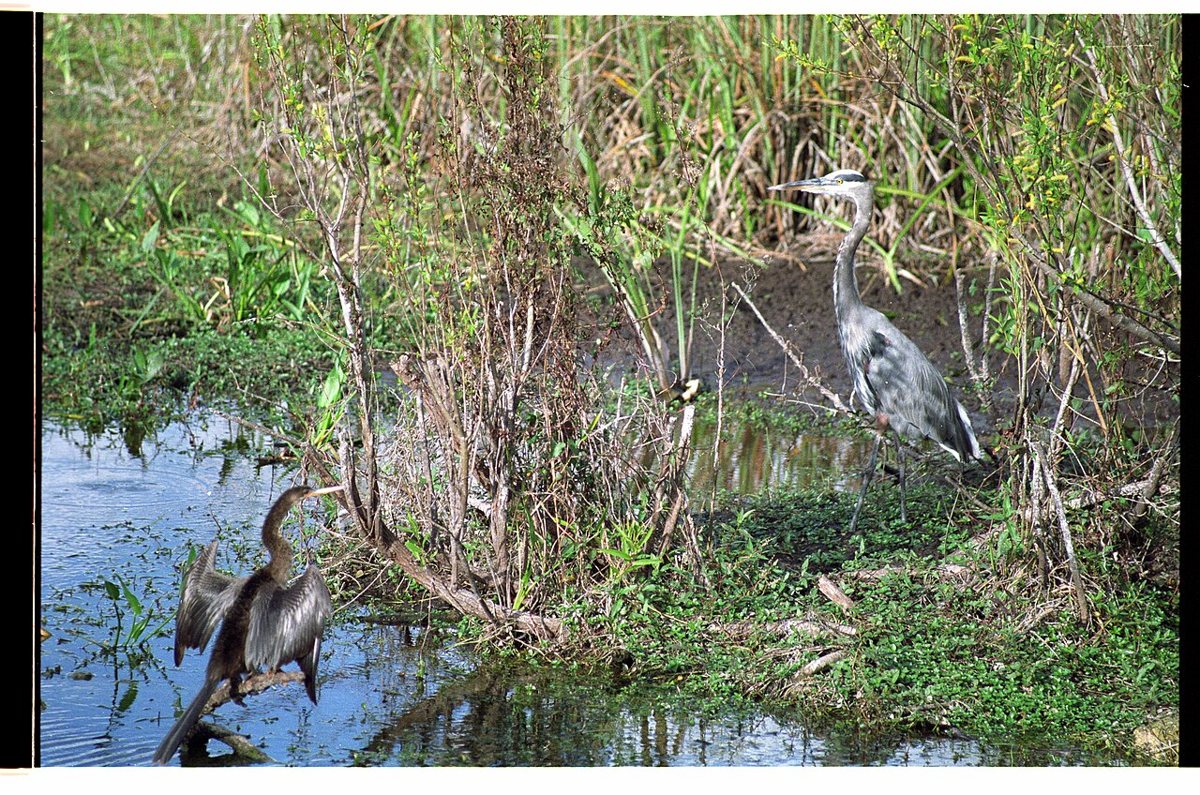

The insider tip: go early and bring binoculars even though the animals are close. The best light arrives right after sunrise, the crowds arrive by late morning, and the alligators are easiest to spot when the air is still cool enough that they stay out on the banks. Keep a respectful distance from every one of them, and never feed anything. Right beside the Anhinga Trail, the short Gumbo Limbo Trail slips into a hammock of shaded trees and gives you a second ecosystem in under half a mile.
Shark Valley
Shark Valley sits on the Tamiami Trail side of the park and is a slightly different animal. The main route is a paved loop of roughly fifteen miles, and most visitors ride it by bicycle or on the park tram, though walking sections of it is entirely reasonable. At the halfway point an observation tower rises above the sawgrass, and from the top the flat country finally explains itself. The Everglades is a slow river of grass, and from the tower you can see that river spreading to the horizon in every direction.
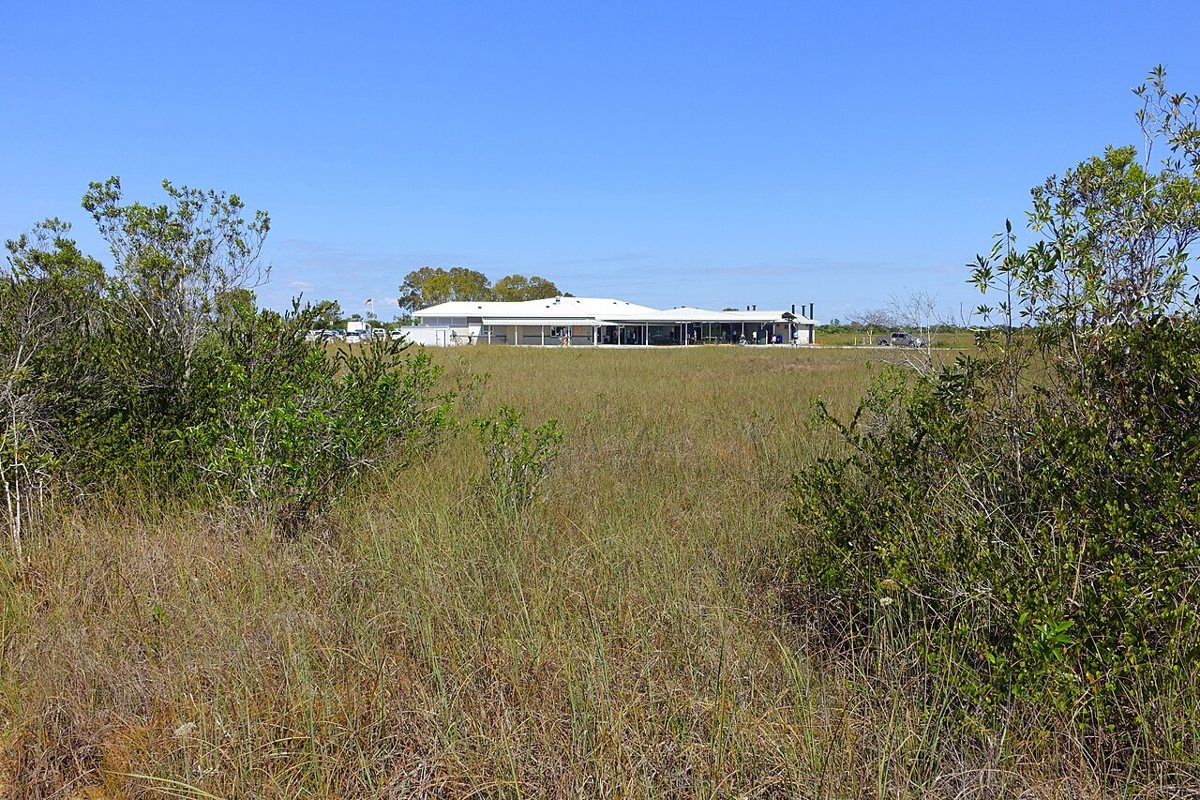

Alligators often sun themselves on the pavement itself, so move around them calmly and give them space. Walk the first mile or two out and back if the full loop feels like too much, or rent a bike near the entrance and ride the whole circuit. The tram tour, led by a naturalist, is a good option for visitors who want commentary along with the scenery. Expect almost no shade along this route, which makes early morning and winter the sensible times to go.
Big Cypress National Preserve
Just west on the Tamiami Trail, Big Cypress National Preserve feels different from the open sawgrass. Here the landscape is a patchwork of cypress domes, pinelands and wet prairies, and the hiking tends to be wilder. The Florida National Scenic Trail runs through the preserve, and sections of it are real backcountry walking where you may wade through shallow water and follow orange blazes. Near the Kirby Storter area, a boardwalk reaches into a shaded cypress dome, giving casual visitors a taste without any wet shoes.
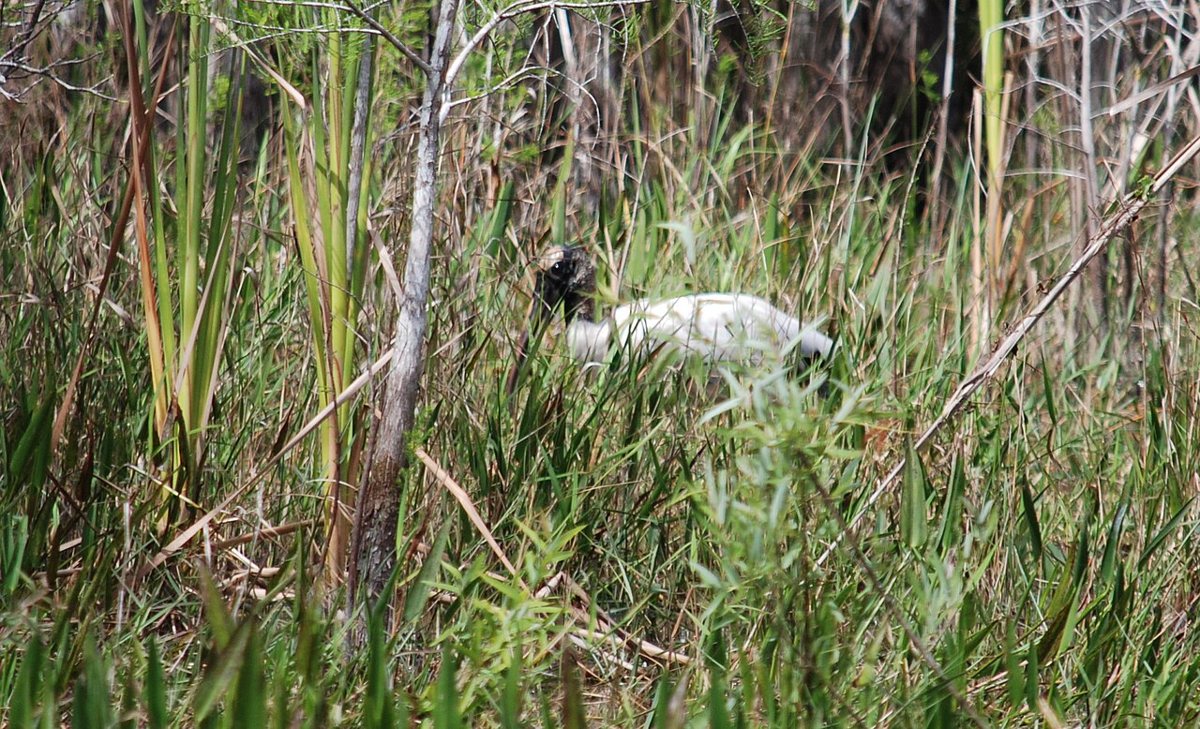

Treat the backcountry here with seriousness. Cell service is spotty, trails can be flooded in summer, and mosquitoes are fierce when the rains arrive. Winter and early spring are the sweet spot, with cooler air and lower water. The Oasis Visitor Center is the place to ask rangers which trails are passable this week, and the Tamiami Trail drive itself, with its roadside canals full of turtles and birds, is part of the trip.
Bayside Trails and Mangrove Boardwalks
Closer to the city, the shoreline does the work that hills do elsewhere. Salt air, shifting tides and mangrove roots give every bayfront walk a character of its own, and most of these parks sit minutes from a neighborhood that deserves its own afternoon.
Oleta River State Park
Oleta River State Park, up in North Miami, is the largest urban state park in Florida, and it feels like an escape even though condos stand at its edge. Trails here cover mangrove-fringed shoreline, coastal hammock and rolling mountain-bike routes that locals have sculpted into the flat terrain. Hikers get quiet stretches under shady canopy and glimpses of Biscayne Bay between the trees. Kayaks and paddleboards launch from the water's edge, so many visitors fold a paddle into the same day.
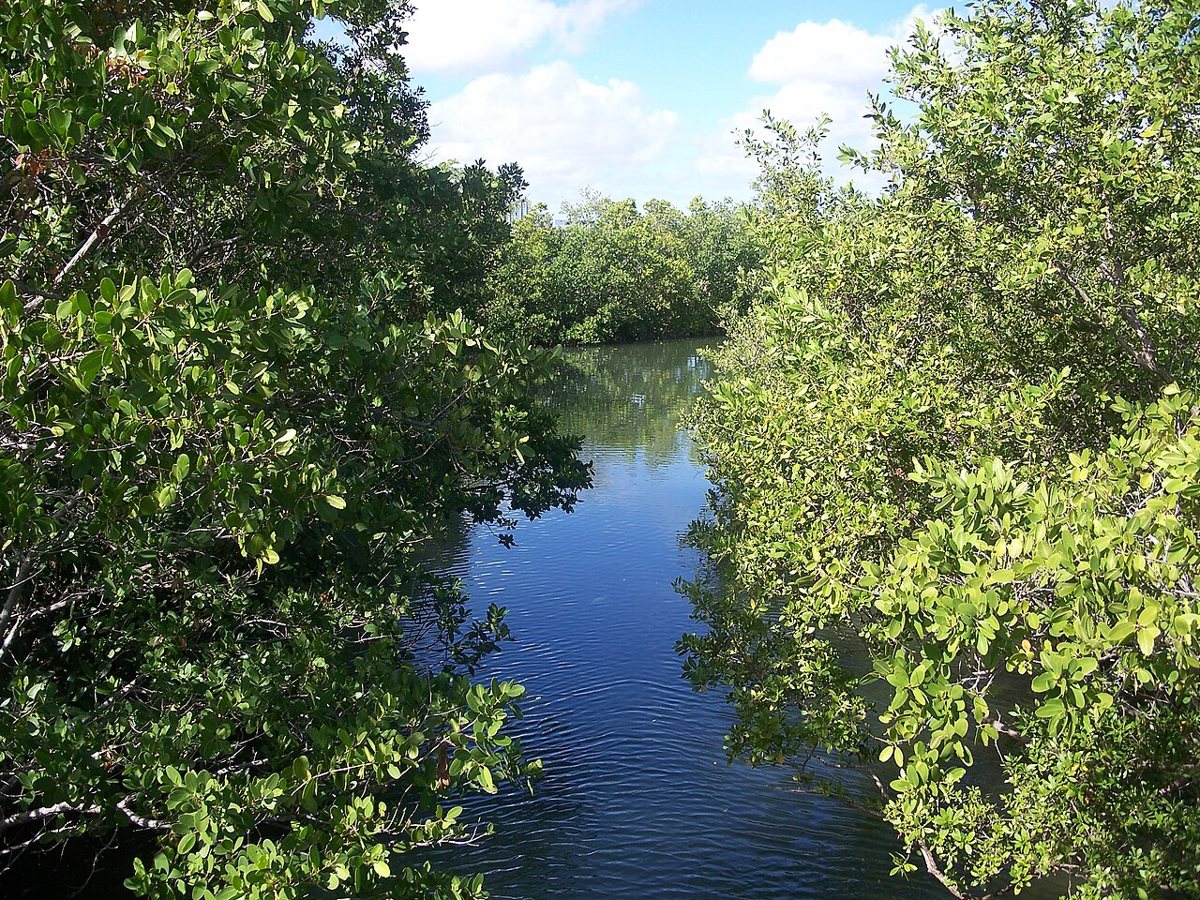

The tip: weekdays are almost empty, and the biking trails are the busiest part of the park on weekends, so hikers do better on the quieter paths. Pack mosquito repellent from late spring on, because the shade that makes the hammock so pleasant is also where the bugs wait. A small state-park entry fee usually applies at the gate, and a day here pairs well with a late lunch in North Miami or Little Haiti.
Bill Baggs Cape Florida State Park
At the southern tip of Key Biscayne, Bill Baggs Cape Florida State Park gives you an old lighthouse, a long sandy shore and shaded coastal trails that finish with views toward Miami's skyline. The Cape Florida Lighthouse is the oldest standing structure in Miami-Dade County, and the walk toward it passes through sea grape, coconut palm and dune vegetation. The park has a boardwalk along the beach and a paved path that suits strollers and bicycles alike.
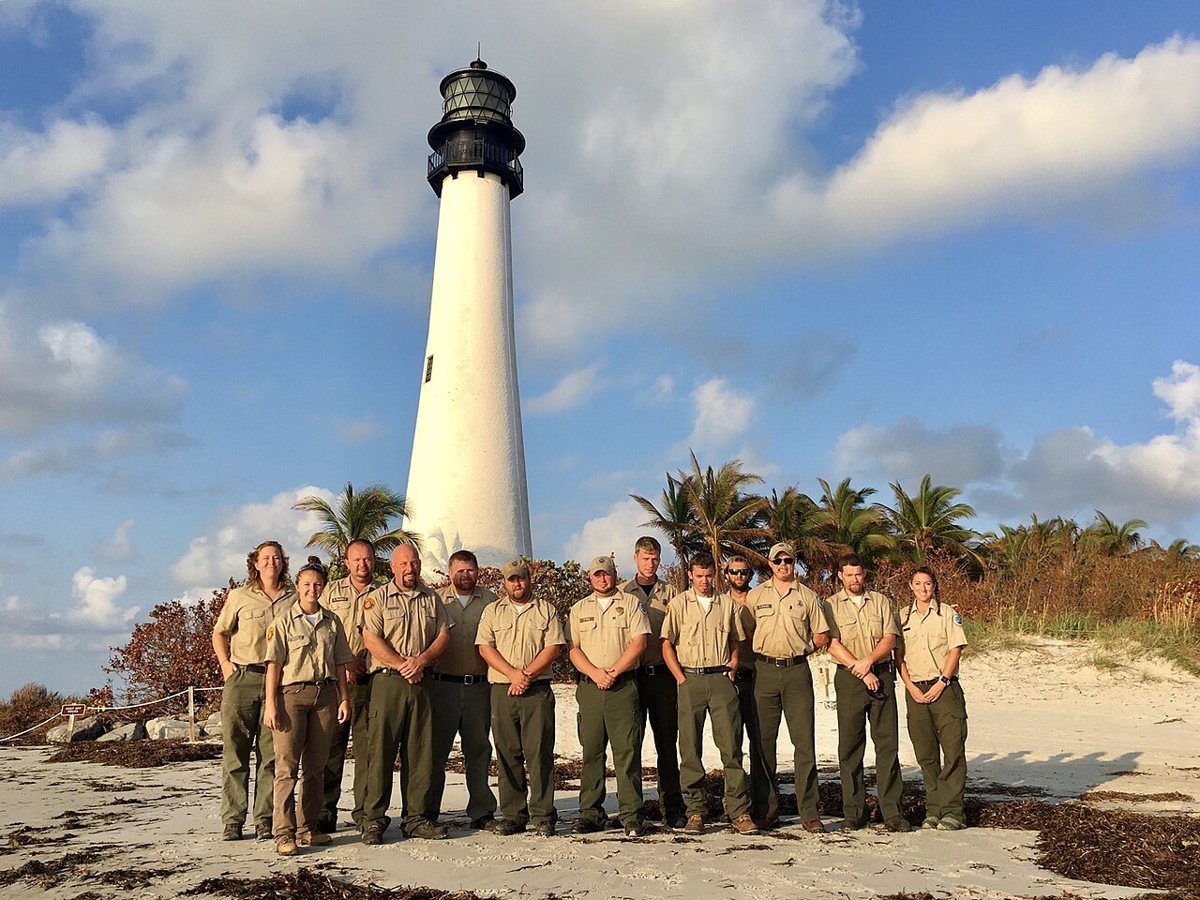

Go on a clear morning and walk the beach toward the lighthouse before the day's heat builds. The park is a favorite for families and for anglers, and the snack shack near the water is a reliable stop for Cuban-style sandwiches and cold drinks. To reach it you cross the Rickenbacker Causeway, which is itself a Miami experience, with sailboats spread across the bay on either side.
Crandon Park and the Bear Cut Nature Center
Also on Key Biscayne, Crandon Park wraps a long beach around a protected coastal environment called Bear Cut. The Marine Science center and nature trails here lead into a mix of hammock and mangrove, and the shallow seagrass flats offshore are a nursery for juvenile fish and other marine life. A boardwalk path crosses a coastal wetland, and guided programs introduce visitors to the sea creatures hiding in the grass.
Treat Crandon as a combination trip rather than a pure hike. Walk the nature trail in the morning, wade into the calm shallows with children, and plan a picnic at the shaded tables afterward. Weekends can be crowded because the beach pulls in half the county, so a weekday arrival buys you a calmer boardwalk and an easier parking spot.
Greynolds Park
Greynolds Park, in North Miami Beach, is a county park with more character than its small footprint suggests. Mangroves line the water, a tidal lagoon spreads out below a small observation mound, and old rock structures built by the Works Progress Administration give the place a worn, historic charm. Trails here are short, shaded and easy, perfect for a lunch-hour reset or a walk with a stroller.
Greynolds rewards slow walkers who like birds. Herons, egrets and ospreys hunt over the water, and the shaded hammock sections remain comfortable even on hot afternoons. The park is also tied into the city's long tradition of weekend gatherings, so a walk past the picnic pavilions on a Sunday can feel like a rolling family reunion in several languages.
Hammock Walks in the South and Coral Gables
South of the city, and especially along the Old Cutler Road corridor, Miami keeps its most intact pieces of native forest. The hardwood hammock is the star: a cool, dim, high-canopied world where the temperature drops several degrees the moment you step under the trees.
Matheson Hammock Park
Matheson Hammock Park, set along Biscayne Bay in the Coral Gables and Pinecrest area, is one of the most scenic county parks in Miami-Dade. A coastal mangrove edge frames a man-made tidal swimming lagoon known as the atoll pool, while shaded trails curve through a hardwood hammock and along the water. The loops are gentle, the canopy is thick, and the bayfront views toward the sailboats in the marina have a quiet postcard quality.
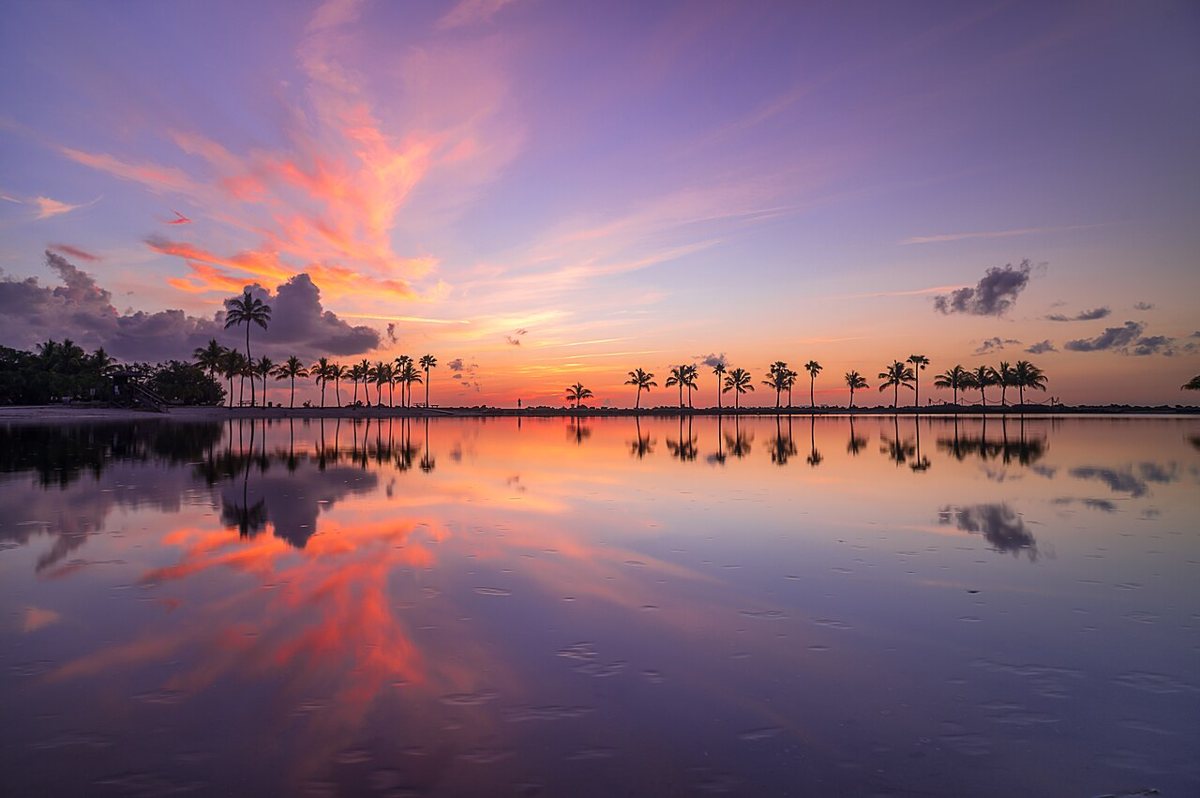

The tip: visit on a weekday morning and walk the hammock first, then finish by the marina for coffee or a lazy look at the bay. Tidal changes alter the look of the shoreline, so the same loop feels different at low and high water. Bring bug repellent in summer, since the shade that keeps you cool also keeps the mosquitoes comfortable.
Fairchild Tropical Botanic Garden
Fairchild Tropical Botanic Garden in Coral Gables is a garden first and a hike second, but its winding paths cover plenty of ground. Palms from every corner of the tropics, a rainforest section, a lake with sweeping lawn views and a shaded canopy walkway make the place a pleasure to cover on foot. Walking here is a relaxed exercise in botany, since labels explain what you are seeing and the layout invites wandering without a plan.
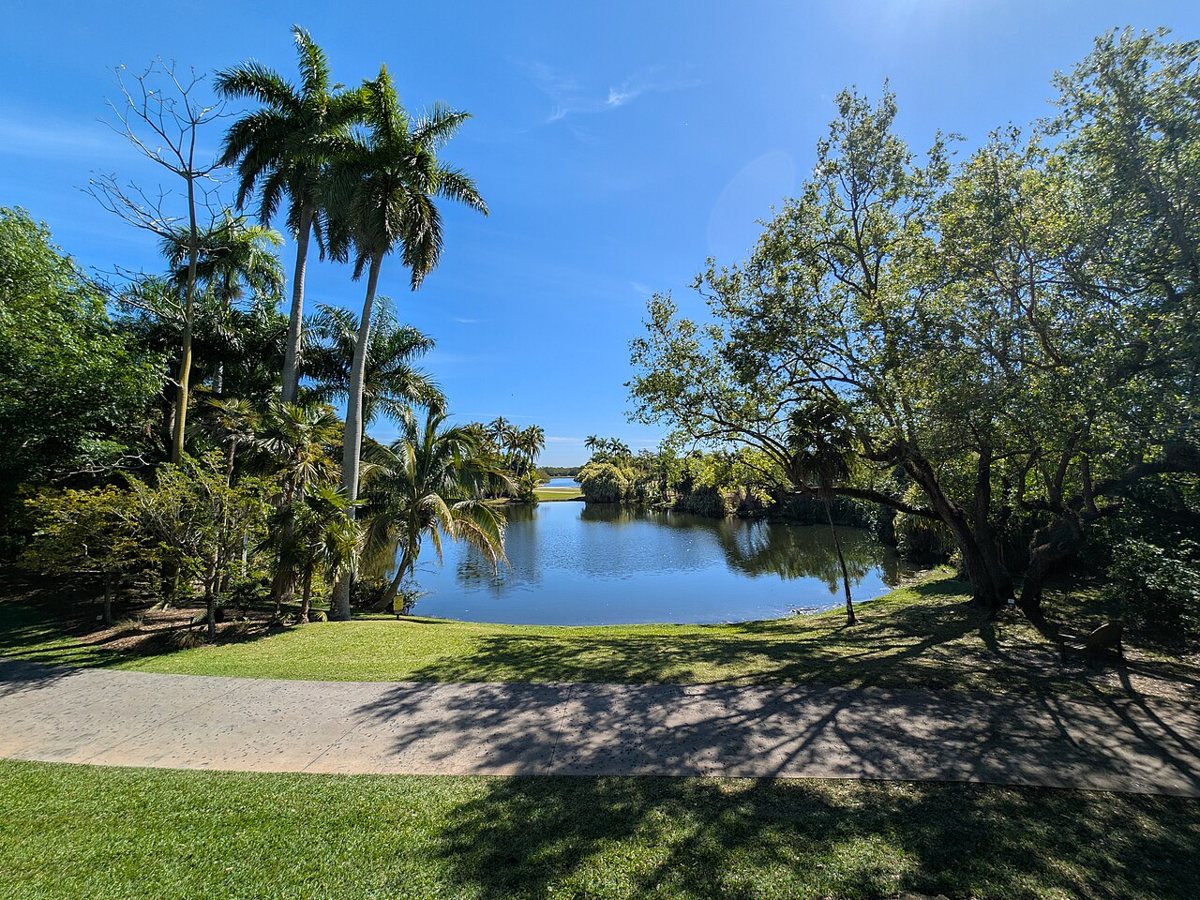

This is the right choice for a hot day, because the garden is full of shade and misting areas and a tram tour can rest tired legs. Admission is an actual ticket, unlike the state parks, so factor that in when choosing. Many locals come for special events and seasonal plant sales, which turn the garden into a gathering spot for the whole community, from Coral Gables families to visitors on a day off.
Deering Estate
Deering Estate, in the Cutler area of south Miami-Dade, may be the most layered place on this list. Here the story runs from prehistoric fossils to the mansion of the early twentieth century, all set in a preserve that holds pine rockland, tropical hardwood hammock and mangrove along the bay. Guided walks are the best way to see the property, because rangers and naturalists point out rare plants and explain the ancient human history buried in the ground.
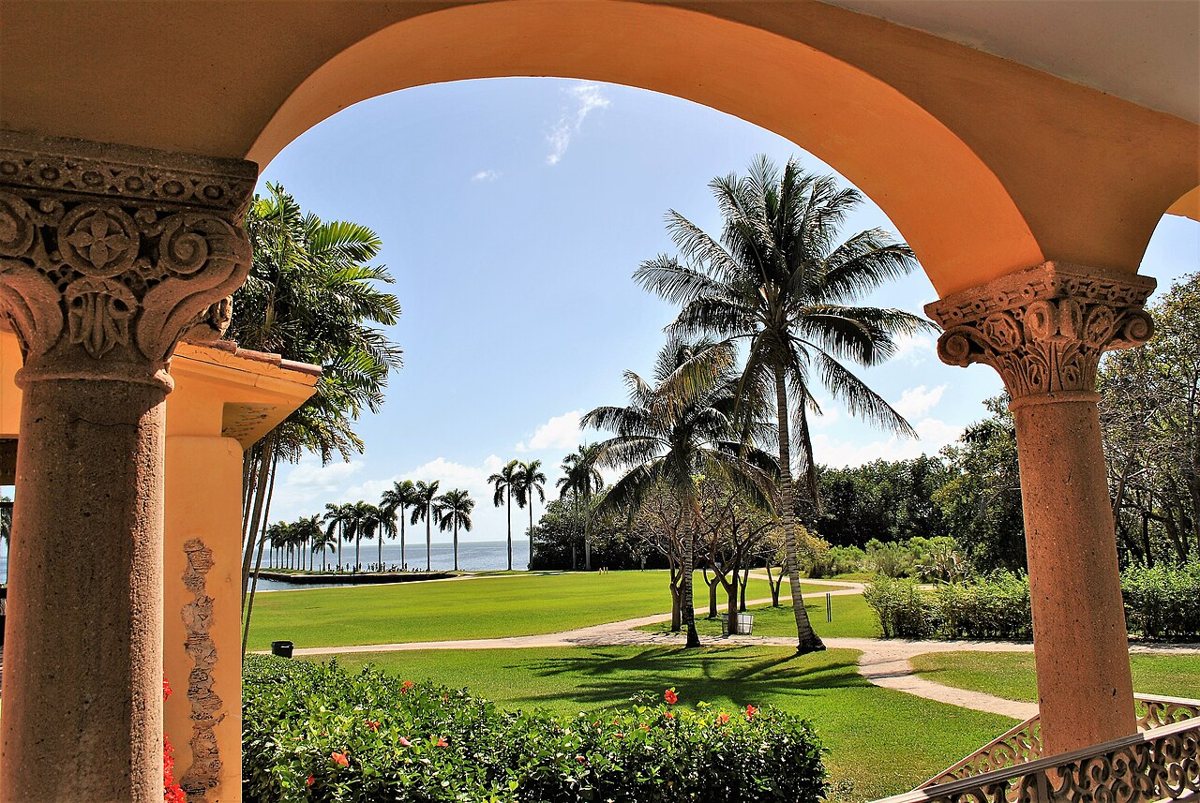

Sign up for a guided nature walk or a canoe tour, since some of the most remarkable corners of the preserve are open only on tours. The pine rockland is one of the rarest ecosystems in the country, and walking through it feels like stepping into a piece of South Florida that most of the county has paved over. Call or check the website ahead of time, because tours and programs change with the season.
The Barnacle Historic State Park
The Barnacle Historic State Park in Coconut Grove is small and strange and entirely worth your time. It protects the bayfront home of Ralph Munroe, a yacht designer who settled in the Grove in the nineteenth century, along with a rare stretch of native hardwood hammock that survived the development around it. The walk is short and the house adds history, but the real point is standing under old trees at the edge of Biscayne Bay and seeing a version of Coconut Grove that predates the condos.
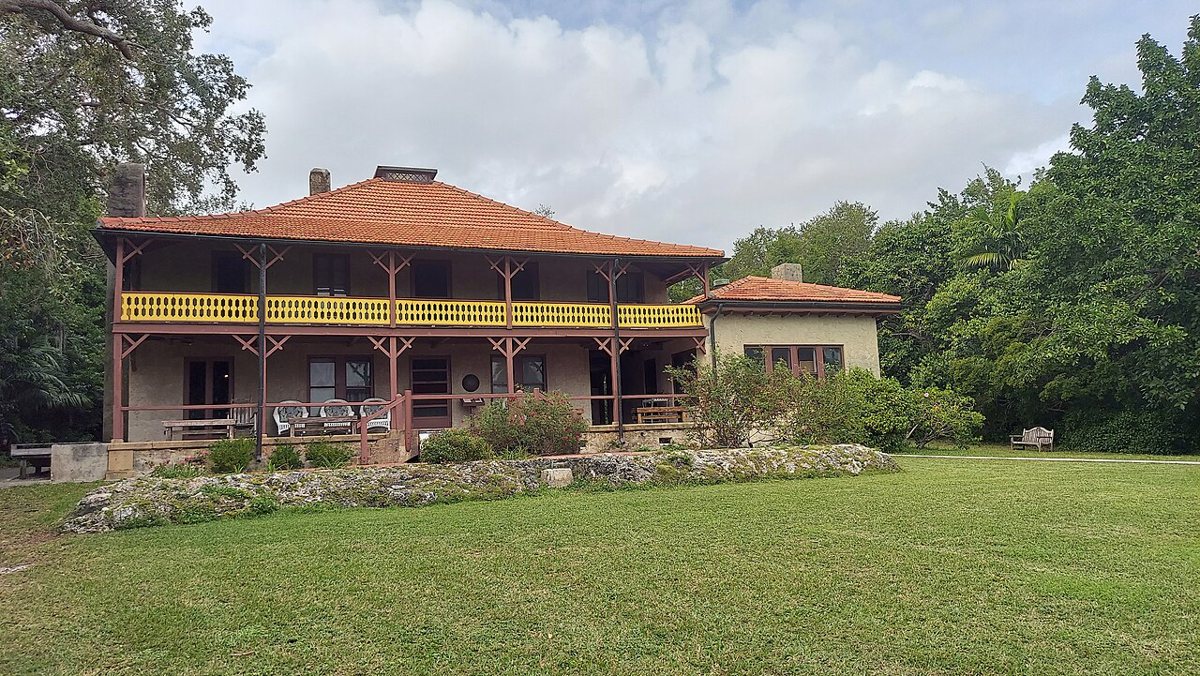

Pair it with a longer stroll through the Grove itself. The neighborhood has its own layered story, from Bahamian settlers who shaped its early community to the artists and sailors who followed. After the park, wander toward the village streets for a coffee or a cold drink and watch the sailboats in the harbor.
Inland Loops for When the Coast Is Crowded
Not every good walk sits next to salt water. The inland county parks offer shade, lakes and long loops, and they tend to be where locals actually exercise on an ordinary Tuesday.
Amelia Earhart Park
Amelia Earhart Park, on the edge of Hialeah, is the one that feels like home to anyone who grew up in this part of the county. The park wraps lakes, open meadows and a network of trails that mix walking, running and mountain biking, and the Bill Graham Farm Village gives children animals to meet. It is a working neighborhood park where families grill on weekends, and the soundtrack is a blend of Spanish, English and whatever speaker is loudest.
The tip: treat it as a place for a long, easy loop with the whole family rather than a wilderness trek. The paths are flat and shaded in patches, and the lakeside areas catch a breeze. Arrive early on weekends, because the picnic areas fill quickly, and plan to stay for lunch since half the fun is the social scene around the trail.
Tree Tops Park
A short drive north in Davie, Tree Tops Park belongs to Broward County rather than Miami-Dade, which a careful local will note. It earns a mention because its mix of hardwood hammock, pine flatwoods and a wooden boardwalk over a freshwater marsh makes it one of the better green escapes in the wider region. Equestrian riders share the larger system of trails, so watch for horses and give them room.
Treat this as a day-trip add-on, not a neighborhood walk. It pairs naturally with a drive through western Broward, and the boardwalk is gentle enough for any age. Anyone planning a longer escape can pair it with a day trip from Miami and make a full day of it.
Heat, Bugs and Season
The calendar matters more than the trail. Winter is the dry season, running from roughly late fall into spring, and it is when Miami hiking is at its best. Temperatures are mild, mosquitoes are manageable, and Everglades water levels drop so wildlife concentrates around the remaining pools. Locals plan big outings for these months and spend summer indoors or on the water.
Summer is hot, humid and wet. Afternoon thunderstorms arrive with little warning, lightning is a serious hazard on open boardwalks, and mosquitoes become a genuine problem in shaded hammocks and mangroves. If you walk in summer, go at first light, carry far more water than seems necessary, and be off the trail before the storms roll in. Wear light long sleeves and apply repellent, and check the day's forecast before you leave the house.
- Water: carry more than you expect to drink, since shade does not erase the humidity.
- Sun: a hat, sunscreen and sunglasses matter even on cloudy days.
- Bugs: repellent is essential from late spring through fall, and lightweight long sleeves help.
- Wildlife: keep a safe distance from alligators and never feed any animal.
- Conditions: check each park's website or visitor center for trail closures and water levels.
What Costs Nothing and What Does Not
Plenty of local walking is free. Many county parks, neighborhood trails and public shoreline paths charge nothing at all, and a stroll through a municipal greenway or along a bayfront promenade is as close to free as exercise gets. For something with more of a destination feel, the county's park system offers shaded loops that ask for nothing but a little parking money at busy spots. For a gentler outing, a city park with a shaded loop and a playground is a good place to start looking.
State parks and national park units usually charge a small entry fee, often per vehicle, while botanical gardens and historic estates charge admission for the buildings and grounds. Annual passes can save money if you plan to go often, and some programs offer reduced rates for residents or seniors. Check current fees and free-entry days directly with each park, since pricing and policies change.
The Takeaway
The best hikes near miami reward a different kind of attention than the ones in the mountains. There is no summit, no panoramic payoff at the top of a climb. Instead you get an anhinga drying its wings, a mangrove root gripping the mud, a hammock so cool that the air feels poured, and the odd sense that you are walking through one of the most unusual landscapes in North America.
Start with the Anhinga Trail at dawn, then work your way through the bay parks and hammocks as the seasons allow. Go in winter if you can, bring water and patience, and let the flat ground teach you to slow down. Miami has always been a city that rewards people who look closely, and these trails are where that habit pays off.